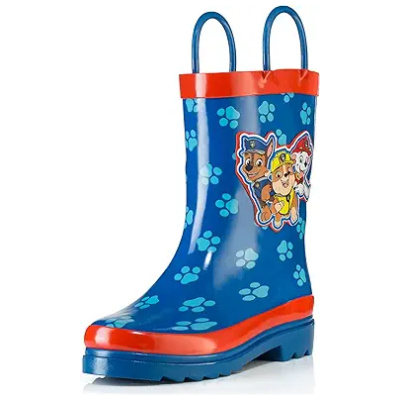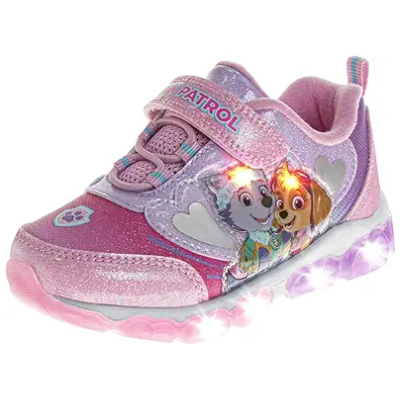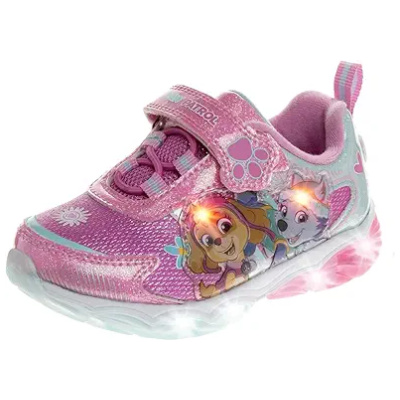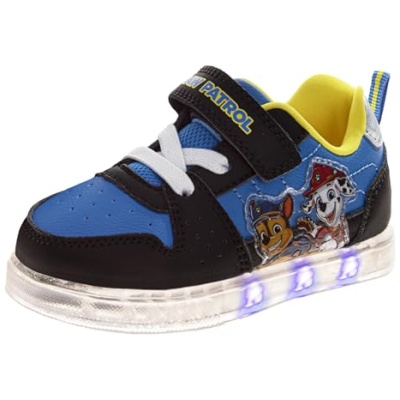
A Paw Patrol Sneaker Made for Toddler Feet
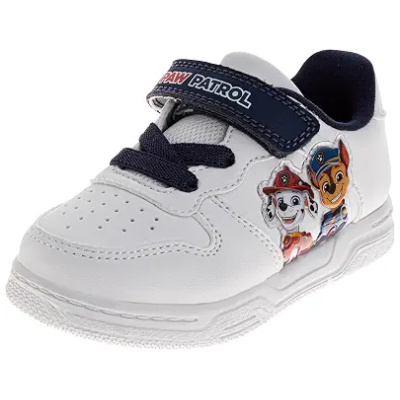
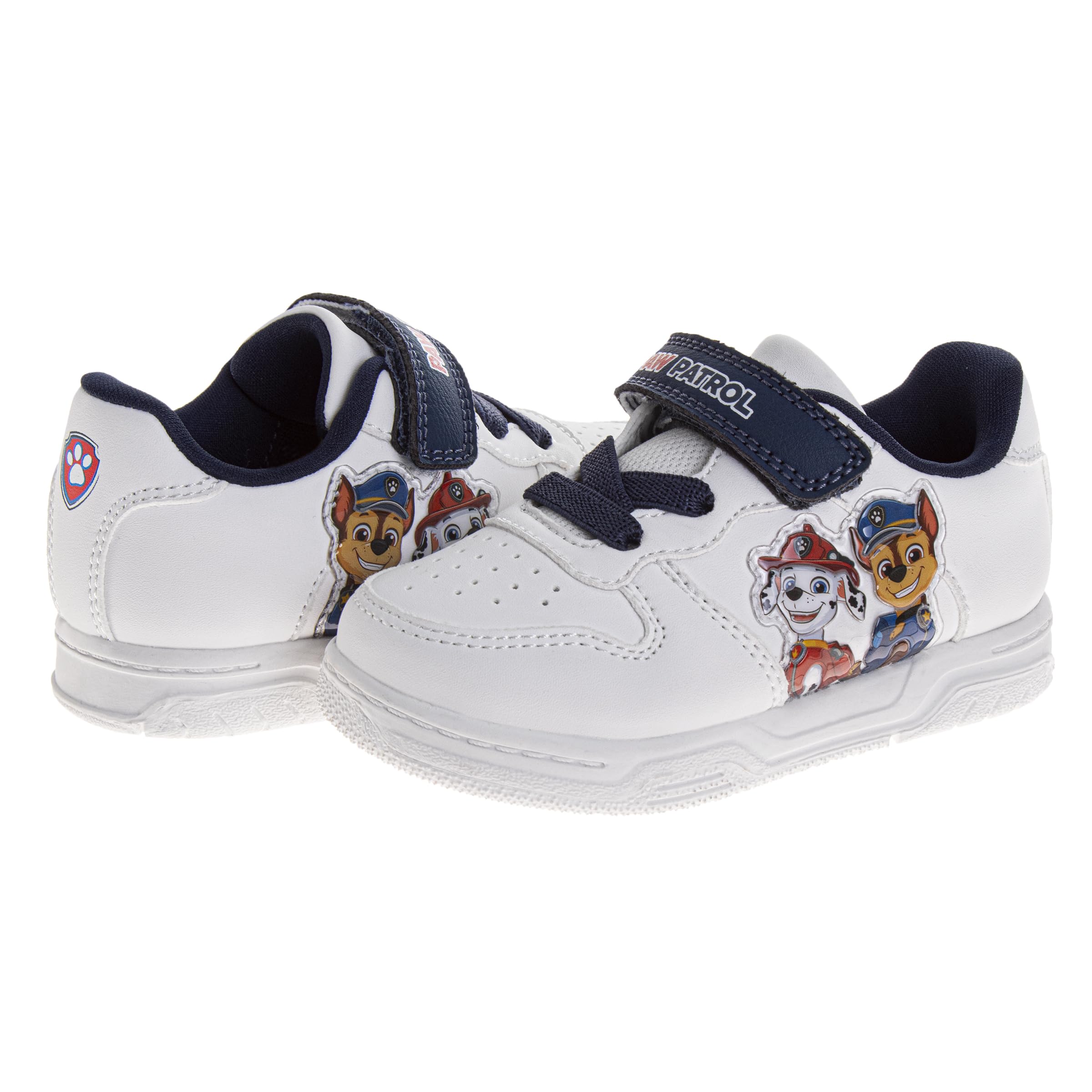
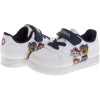
These athletic sneakers are built for the stretch of childhood between the first confident steps and the first day of kindergarten. The department listing is boys, and the sizing runs through the toddler and little-kid range, which puts them squarely in the two-to-eight bracket where a shoe has to survive a playground, a car seat, a puddle and a nap in roughly that order. The upper carries character artwork drawn from the shows and games little kids are watching right now, with PAW Patrol pups sharing space alongside other favorites depending on the style you choose.
The practical case for a shoe like this is simple. Toddlers and young children grow through shoe sizes faster than almost any other item of clothing, often needing a new pair every three to five months during the fastest stretches. That makes a mid-range everyday sneaker the workhorse of the closet, worn nearly daily until it is outgrown rather than worn out. A shoe in this category needs to be easy enough that a child can manage it alone, sturdy enough for outdoor play, and appealing enough that it does not become a morning argument.
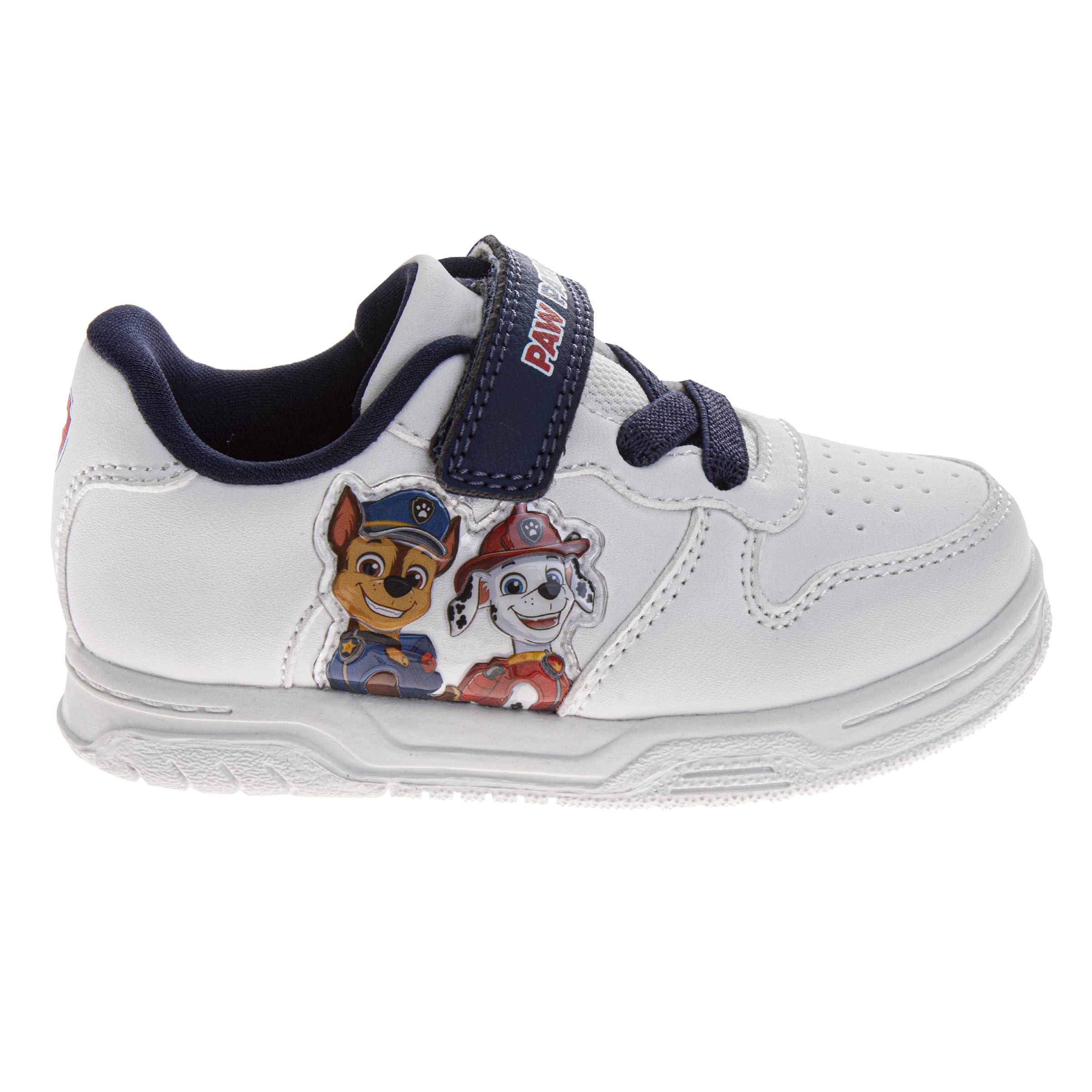
That last point matters more than parents expect. A shoe a child actually wants to put on removes a recurring friction point from the daily routine. When a four-year-old spots Chase or Marshall on the side of a sneaker, the shoe stops being something imposed on them and becomes something they chose. The result is fewer negotiations at the door and a faster exit on days when there is no time to spare.
With a 4.6 out of 5 star rating across 225 customer reviews and a position around #327 in Boys’ Sneakers, this is a style that a meaningful number of families have already put through a full season of wear. First made available in July 2025, it is a current-season option rather than a clearance leftover.
Design, Closure and Construction Details
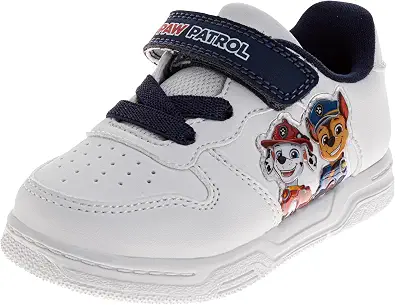
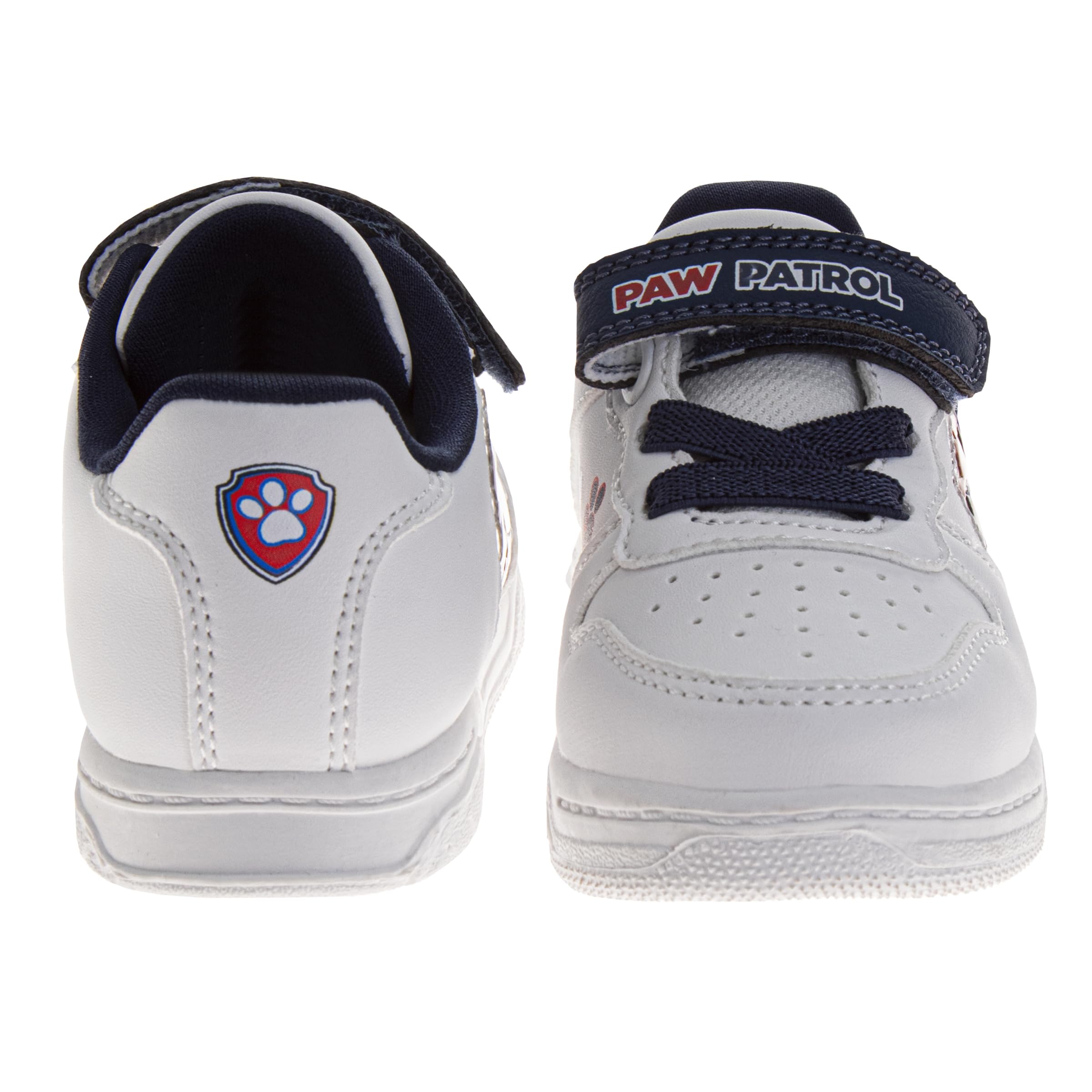
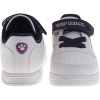
The defining feature is the strap closure. Instead of laces, the shoe fastens with an adjustable strap across the instep, which does two useful things at once. First, it lets a child fasten and unfasten the shoe without adult help, which is exactly the independence preschools and daycare centers ask for. Second, it gives you a real adjustment range: you can loosen the strap for a wide foot or a thick sock in winter, and pull it tighter for a narrow foot or a summer barefoot day. Laces on a toddler shoe come undone, get stepped on, and require a grown-up to kneel down every time. A strap sidesteps all of that.
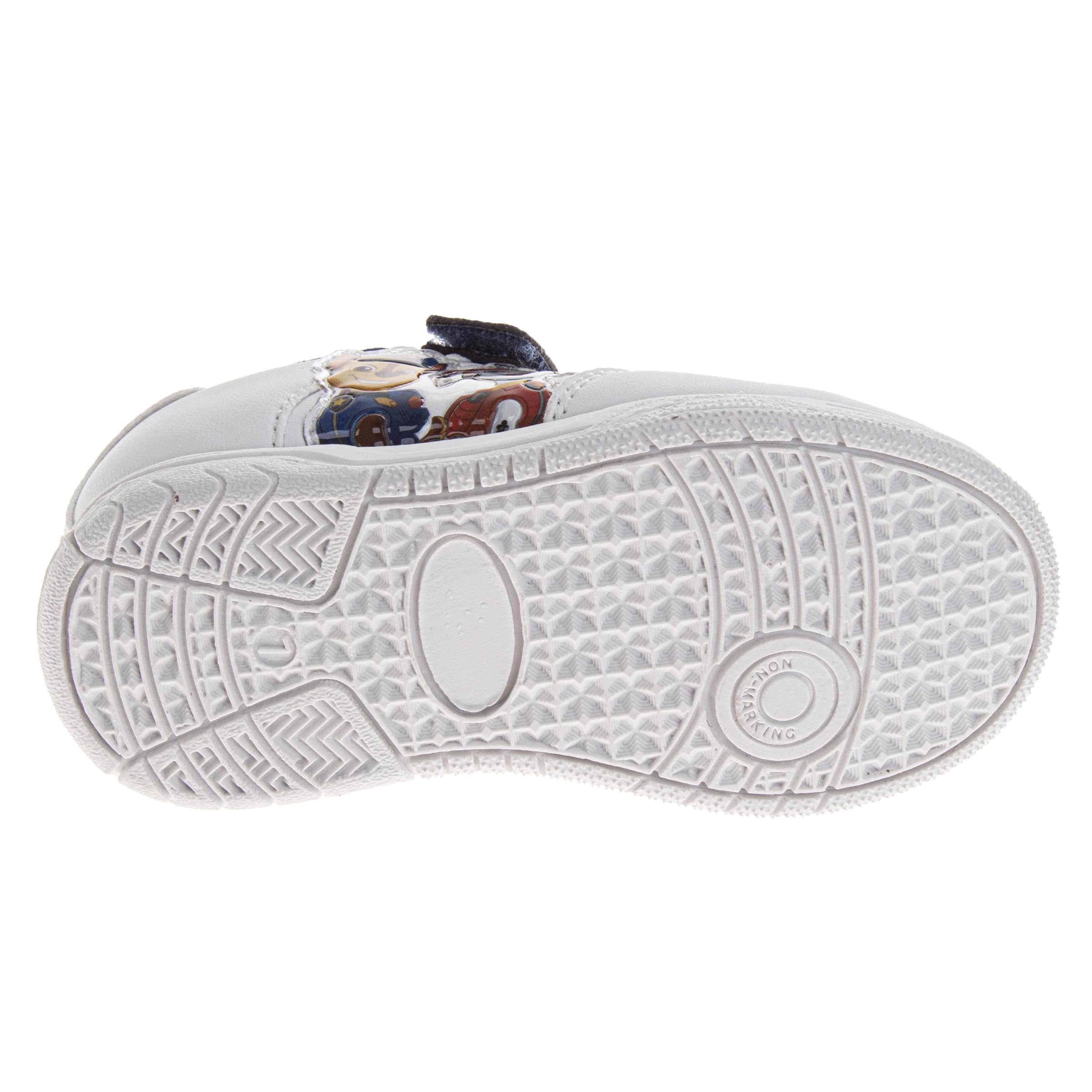
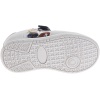
The silhouette is a low-profile athletic sneaker rather than a high-top or a bulky trainer. That keeps weight down, which matters for a small child covering a lot of ground on short legs, and it leaves the ankle free to move naturally. The sole is a lightweight rubber-style outsole with a patterned tread designed to provide grip on the mixed surfaces kids actually encounter: rubberized playground matting, gym floors, sidewalks, grass and the occasional slick supermarket aisle. The cushioned midsole absorbs some of the impact from running and jumping.
Inside, the sneaker uses a padded collar and tongue to reduce rubbing at the ankle and across the top of the foot, along with a soft lining intended to be comfortable against bare skin as well as socks. The interior is roomy enough at the toe box to allow the natural toe splay young children need while their feet are still forming, rather than tapering to a narrow point.
The character graphics appear on the sides and sometimes the tongue or heel, in bright colorblocked panels. Because this listing groups several character themes together, the specific artwork varies by the style and colorway selected, so it is worth checking the option you pick matches the character your child is asking for. If you are buying specifically for the PAW Patrol design, confirm the selection before checkout.
How They Hold Up Through a Real Week
An everyday sneaker for this age group gets used in ways adult shoes never do. It is worn for scootering, for climbing frames, for kicking a ball badly, for dragging toes along the pavement, and for standing in wet grass. The strap closure earns its keep here too, because a child who can take their own shoes off at the door and put them back on before going outside is a child who is not waiting on an adult twenty times a day.
Preschool and daycare settings frequently ask for closed-toe shoes with a secure fastening and a non-marking sole, and a strap sneaker in this style generally meets those requirements. It also handles the transitions that fill a young child’s day well. Kids move from carpet to playground to gym to car in the space of an hour, and a lightweight sneaker with reasonable tread does not need to be swapped out between them.
For families, the appeal is that one pair covers most of the week. These work for school days, park trips, playdates, casual family outings and travel. They pair easily with jeans, joggers, shorts and leggings, which means one less decision in the morning. Keeping a second pair in rotation, if your budget allows, extends the life of both by giving each a chance to dry out fully between wears, which is worth doing if your child is regularly outdoors in wet weather.
They also make a straightforward gift. Shoes are a repeat purchase every family is already making, and a character sneaker lands well with a child in a way a plain pair rarely does. If you are gifting rather than buying for your own child, ask the parents for a current size, since toddler sizing moves quickly and a guess made two months ago is often already wrong.
Sizing, Care and Safety Notes for Parents
Fit is the single most important thing to get right, and it is worth measuring rather than guessing. Measure your child’s foot at the end of the day, when feet are at their largest, and standing rather than sitting so the foot is bearing weight. Measure both feet and size to the longer one. Aim for roughly a thumb’s width of space between the longest toe and the front of the shoe. Do not size up more than that in the hope of stretching wear time, because a shoe that is too long causes tripping and makes it harder for a child to walk naturally.
Because these are athletic sneakers with a strap closure rather than laces, a wide or high-instep foot is generally easier to accommodate than in a lace-up. If your child sits between sizes, or if they typically wear a wide fitting, the strap gives you some room to adjust. Check the fit again every couple of months. Children often will not tell you a shoe has become tight, because they have no reference point for what a well-fitting shoe should feel like.
For care, spot clean with a damp cloth and mild soap rather than putting them through a washing machine, which can separate glued components and fade printed graphics. Let them air dry away from direct heat, since radiators and dryers can warp the sole and stiffen the upper. Check the strap fastening periodically, as hook-and-loop closures lose grip when they fill with lint, hair and grit; pulling that debris out restores most of the hold.
On safety, inspect the shoes now and then for worn tread, separating soles or loose trim, particularly if they are being handed down to a younger sibling. Shoes are among the most heavily worn items a child owns and they do reach an end point. Warranty information is available through the product listing on Amazon. This is a wearable item rather than a toy, and any small decorative pieces should be checked for security if you have an infant in the house who mouths objects.
Why PAW Patrol Works for This Age
PAW Patrol has held the attention of preschoolers for over a decade because its structure fits how young children think. Each pup has one clear job and one clear vehicle. Chase handles police and traffic work, Marshall covers fire and medical, Skye flies, Rubble drives the digger, Rocky recycles, Zuma takes the water, and Ryder coordinates. That one-to-one mapping between character, color and role is easy for a two- or three-year-old to hold in their head, and it is why kids this age can name the whole team long before they can name the days of the week.
The show’s underlying idea also lands well with parents. Every episode is a small problem solved by a team that helps someone, without villains or genuine peril. For a child in the middle of learning how to cooperate, take turns and ask for help, that is a useful set of stories to have in the background.
Character footwear extends that connection into something a child carries with them. A pup on the side of a sneaker gives a child a small piece of a world they already know, at a moment in the day when they may be walking into an unfamiliar room or saying goodbye at a classroom door. Kids this age often use a familiar character as an anchor during transitions, and a shoe is one of the few items that is always on them.
That is the case for a shoe like this in a PAW Patrol collection. It is not a display piece or a collectible. It is a functional everyday sneaker that happens to carry characters your child has a genuine relationship with, in a form that gets worn until it is outgrown. Paired with the rest of a child’s PAW Patrol gear, from plush pups to backpacks and clothing, it fits into a wardrobe a preschooler recognizes as theirs.