Introducing the Huffy 12/16 Inch Paw Patrol Kids Bike: A First Ride Built for Confidence and Fun
When a child is ready to trade their balance bike or training wheels for a true two-wheeled experience, the choice of bicycle can shape their entire relationship with riding. The Huffy 12/16 Inch Paw Patrol Kids Bike, available in both 12-inch and 16-inch wheel sizes, is designed specifically for this pivotal moment. This bike is not merely a scaled-down version of an adult bicycle; it is an engineering solution tailored to the unique needs of young riders aged 3 to 8 years old. The frame geometry, component selection, and safety features are all calibrated to support a beginner’s progression from wobbly first attempts to confident, independent pedaling.
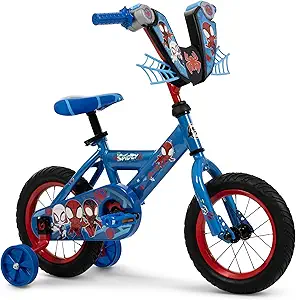
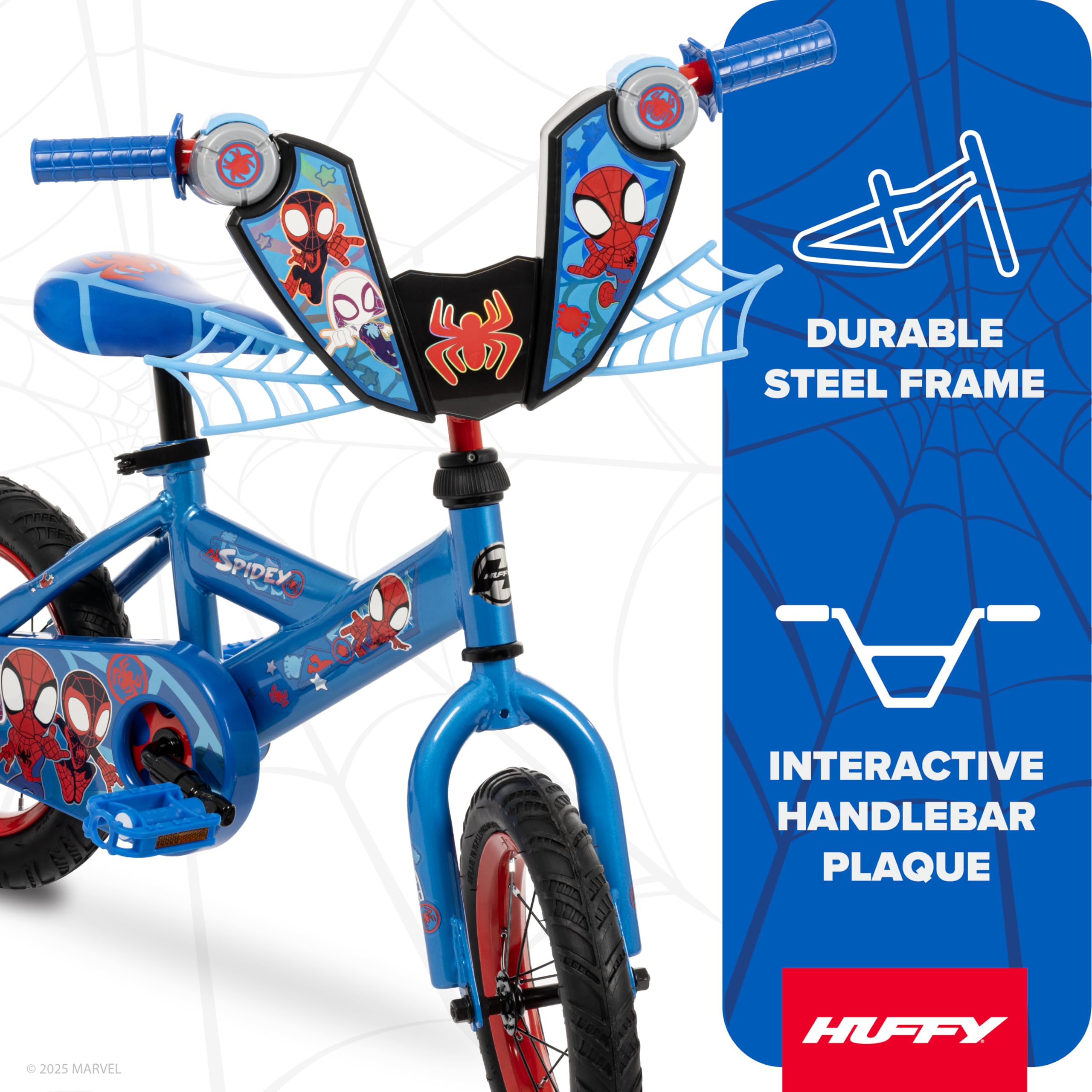
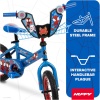
The bike’s foundation is a durable steel frame, chosen for its ability to withstand the inevitable bumps and scrapes of early riding. Unlike lightweight aluminum frames that can feel twitchy for a novice, the steel construction provides a stable, planted feel that inspires trust. The 12-inch model is ideal for children with an inseam of approximately 14 to 17 inches, typically ages 3 to 5, while the 16-inch version suits inseams of 16 to 20 inches, covering ages 4 to 8. This sizing precision is critical: a bike that is too large forces a child to stretch uncomfortably, compromising control, while a bike that is too small can feel cramped and unstable.
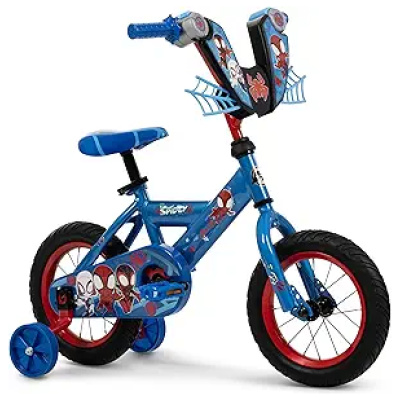
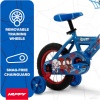
The Paw Patrol theme is integrated thoughtfully, with graphics and colorways that appeal to fans of the popular animated series. However, the bike’s substance extends far beyond its aesthetic. The inclusion of removable training wheels, an adjustable seat, and a simple coaster brake means that this bike can grow with your child, adapting to their developing skills without requiring a new purchase. The Huffy EZ Build assembly system further reduces the barrier to entry, allowing parents to have the bike ready for action in minimal time. This is a machine built for learning, not just for looking at.
Frame Geometry and Stability: Why Steel and Low Standover Height Matter for Young Riders
The most critical aspect of any kids’ bike is its geometry, and the Huffy Paw Patrol model excels in this area. The steel frame is designed with a low standover height, meaning the top tube sits lower relative to the ground. This allows a child to easily place both feet flat on the ground while seated, a fundamental requirement for building confidence. When a child can stop and start without fear of tipping over, they are far more likely to practice voluntarily. The low standover height also reduces the risk of injury during dismounts, as the child can simply step off rather than swing a leg over a high bar.
The wheelbase, the distance between the front and rear axles, is intentionally longer than what you might find on a cheap, generic bike. This extended wheelbase enhances stability at low speeds, which is precisely where beginners spend most of their time. A shorter wheelbase can feel nervous and prone to wobbling, especially when a child is still learning to steer smoothly. The Huffy’s design mitigates this, providing a predictable, stable platform that rewards gentle inputs. The rigid suspension (no front or rear suspension) is also a deliberate choice. Suspension components on budget kids’ bikes often add unnecessary weight and complexity, and they can rob pedaling efficiency. A rigid fork keeps the bike lighter and more responsive, allowing the child to feel the road surface directly, which aids in developing balance and steering intuition.
The 12-inch model uses smaller wheels with wider tires, which provide a larger contact patch with the ground. This increases traction and reduces the likelihood of skidding on pavement or packed dirt. The 16-inch version uses slightly taller tires, which roll over small obstacles like cracks and pebbles more easily. Both sizes feature knobby tread patterns that offer grip without excessive rolling resistance. The overall geometry, from the head tube angle to the seat tube angle, is optimized for an upright riding position. Unlike a racing bike that forces a forward lean, this bike places the child in a natural, relaxed posture. This reduces strain on the neck and shoulders, allowing the young rider to focus on steering and pedaling rather than maintaining an uncomfortable position.
The Coaster Brake System: Why a Single Brake is the Right Choice for Beginners
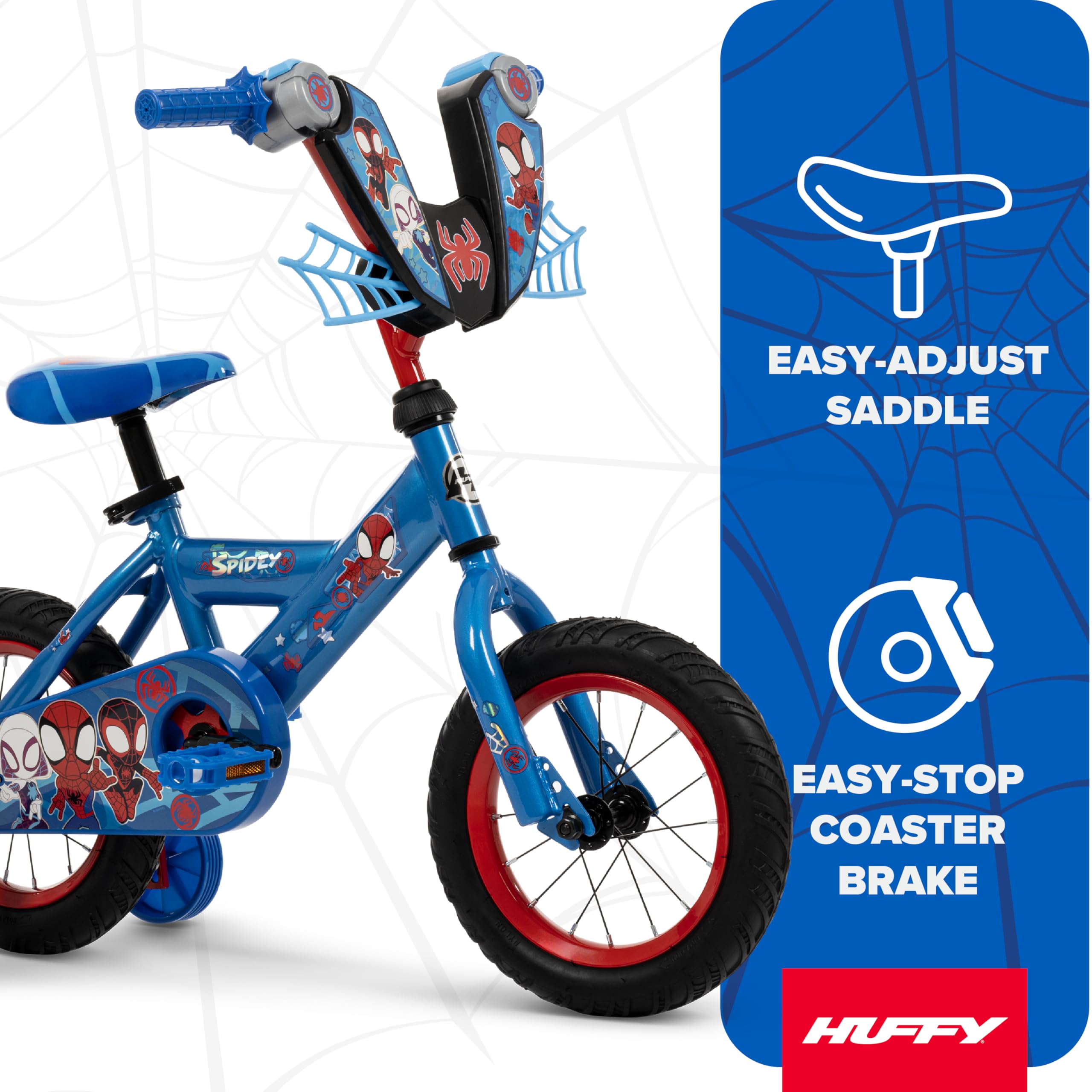
The Huffy Paw Patrol bike is equipped with a single coaster brake, also known as a backpedal brake. This is a deliberate design decision that aligns with the developmental capabilities of a 3- to 8-year-old child. Hand brakes, while common on adult bikes, require a level of hand strength and fine motor coordination that many young children have not yet developed. A child may not be able to squeeze a brake lever with sufficient force to stop effectively, especially if their hands are small or their grip is weak. The coaster brake eliminates this variable entirely.
When the child pedals backward, the brake engages automatically, slowing the rear wheel. This action is intuitive: even a toddler understands that pushing the pedals in reverse stops the bike. The brake is self-adjusting, meaning it requires no maintenance beyond occasional inspection. It is also sealed within the rear hub, protecting it from dirt, water, and debris. This reliability is crucial for a bike that will likely be left outside or ridden through puddles. The coaster brake provides consistent, predictable stopping power, which is exactly what a beginner needs to feel in control.
There is a common misconception that coaster brakes are dangerous because they can cause the rear wheel to lock up. In practice, the brake is designed to modulate smoothly. The child learns to apply gentle backward pressure for a gradual stop, or a firmer push for an emergency stop. This teaches them the concept of braking modulation without the complexity of a hand lever. As the child progresses, some parents may consider adding a front hand brake, but for the first year or two of riding, the coaster brake is the safest and most effective option. It allows the child to focus on the three core skills of riding: balancing, steering, and pedaling, without the distraction of coordinating a separate braking action.
Adjustable Seat and EZ Build Assembly: Practical Engineering for Growing Children and Busy Parents
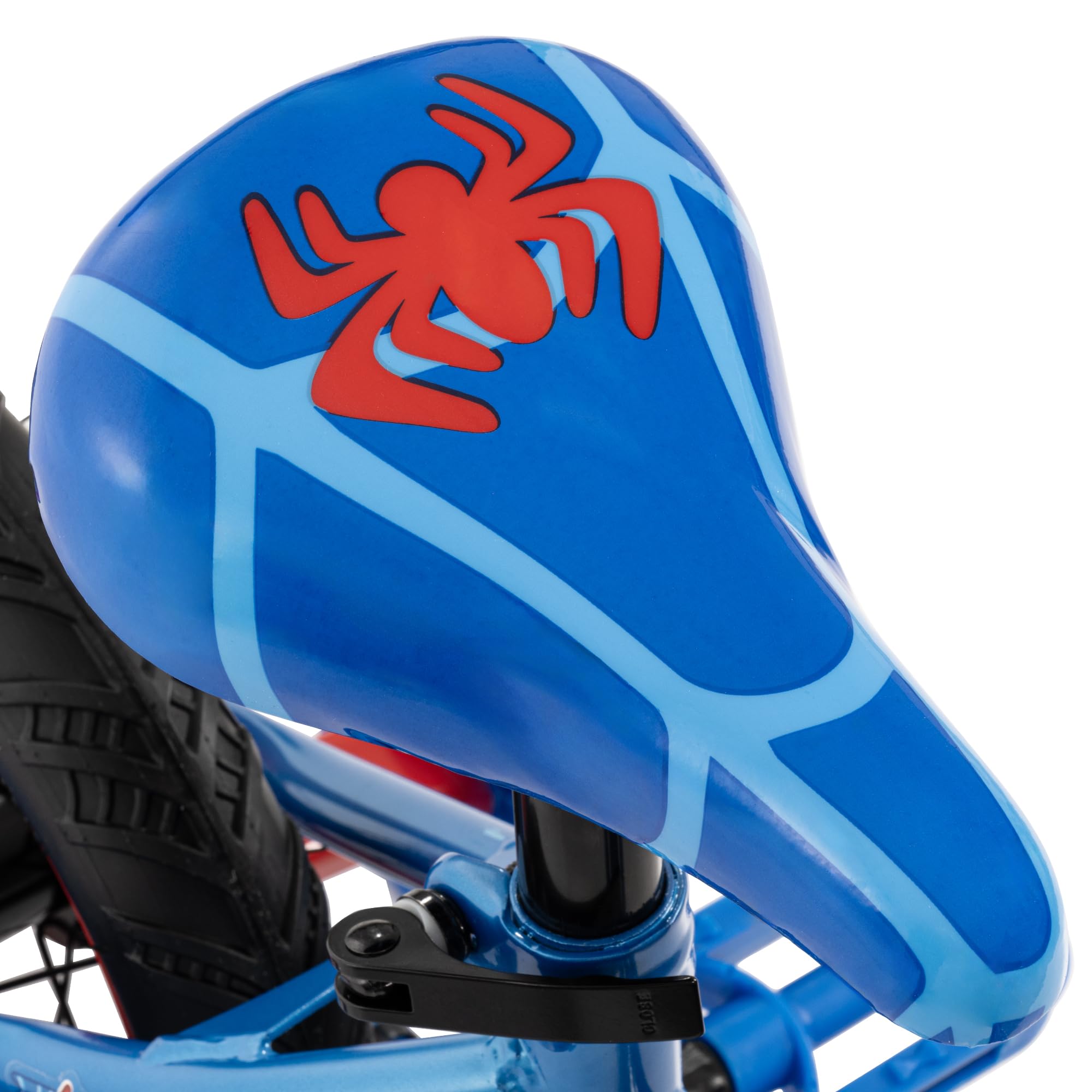
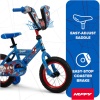
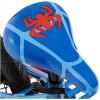
A bike that fits today may not fit next year, which is why the Huffy Paw Patrol bike features a tool-free adjustable seat. The seat post is secured with a quick-release clamp, allowing the parent to raise or lower the saddle in seconds. The adjustment range is generous: on the 12-inch model, the seat can be set from approximately 14 inches to 18 inches from the ground, while the 16-inch model ranges from about 16 to 20 inches. This means the bike can accommodate a child as they grow, extending its useful life by one to two years compared to a fixed-height seat. The seat itself is padded and contoured for comfort, with a slightly wider profile that supports a child’s pelvis without causing chafing.
The Huffy EZ Build system is a standout feature for parents who dread assembly. Traditional kids’ bikes often arrive with dozens of small parts, confusing instructions, and the need for specialized tools. The EZ Build system simplifies this process dramatically. The bike comes partially assembled: the handlebars are pre-installed, the front fork is attached, and the training wheels are mounted. The parent only needs to attach the front wheel, install the pedals, and adjust the seat and handlebars. The fenders, chain guard, and reflectors are already in place. The entire process typically takes 20 to 30 minutes, even for someone with limited mechanical experience. The included instructions are clear, with large diagrams and minimal text. The tools required are basic: a 5mm Allen wrench (included) and a 13mm wrench (not included, but common in most households).
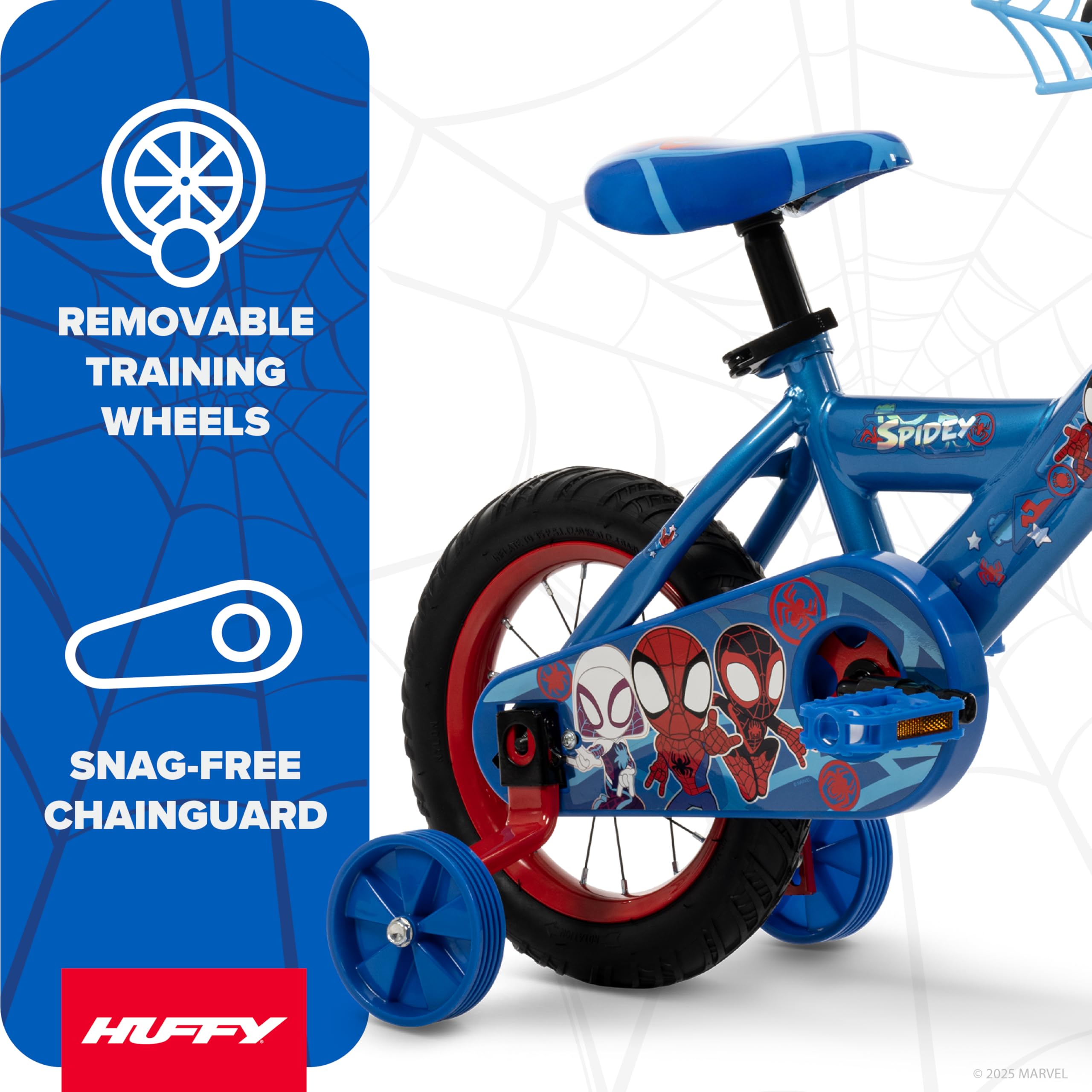
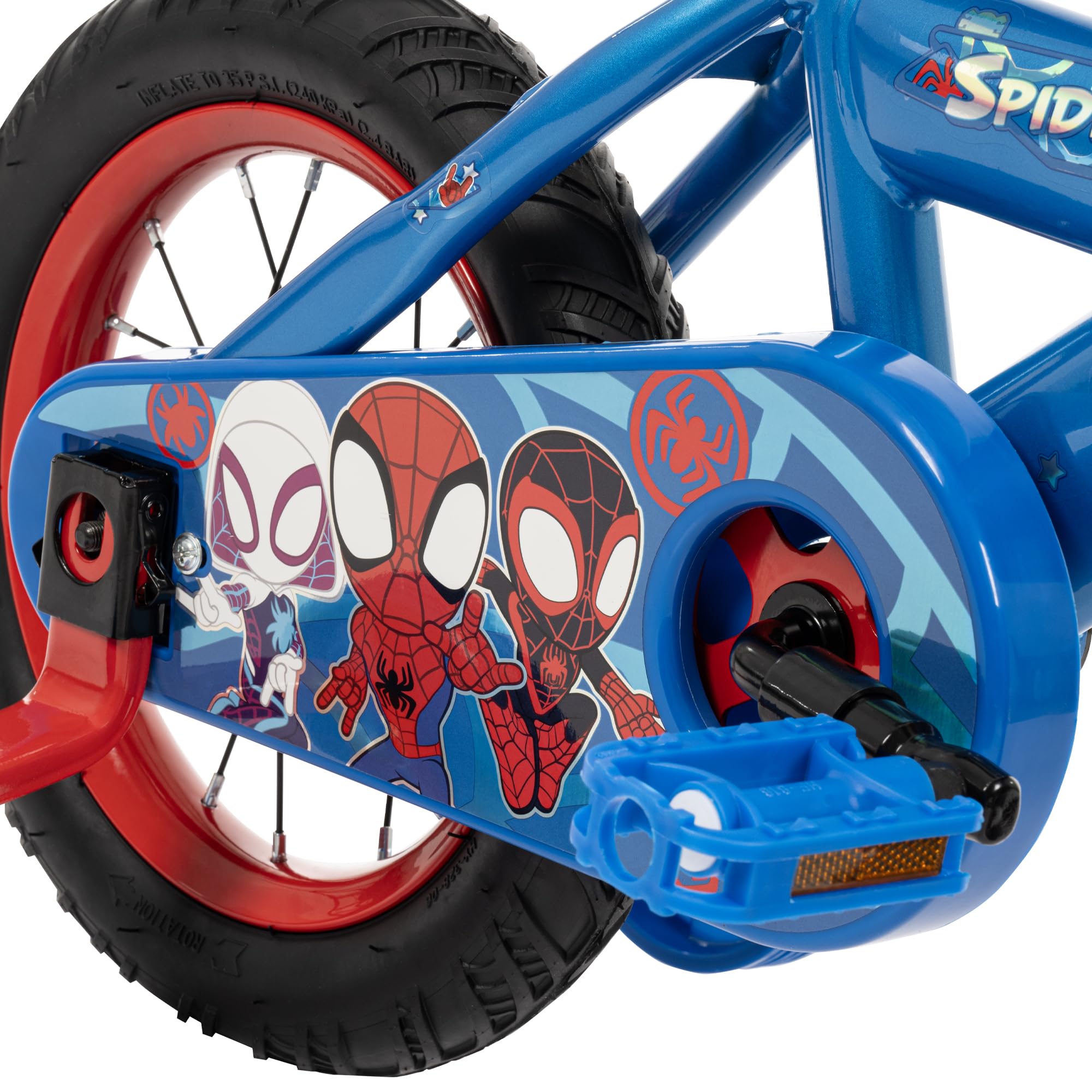
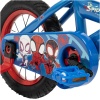
The chain guard deserves special mention. It is a full-coverage design that completely encloses the chain and chainring. This prevents clothing, shoelaces, or small fingers from getting caught in the drivetrain. It also keeps the chain lubricated and protected from dirt, reducing maintenance. The training wheels are mounted on a sturdy bracket that can be removed with a single bolt once the child is ready to ride without them. The wheels themselves are made of hard plastic, which provides a smooth rolling surface without the risk of punctures. They are positioned slightly wider than the rear wheel, providing a stable platform that prevents tipping during turns.
Durability and Real-World Use: What to Expect from the Huffy Paw Patrol Bike Over Time
Parents often wonder how a bike will hold up to the rigors of daily use, especially when ridden by an enthusiastic child. The Huffy Paw Patrol bike is built with a focus on longevity, though it is not indestructible. The steel frame is powder-coated, which provides a durable finish that resists chipping and rust better than painted surfaces. The wheels are equipped with steel spokes and nylon hubs, which are less prone to corrosion than aluminum. The tires are air-filled (pneumatic), which offers a smoother ride than solid rubber tires, but they require occasional inflation. The valve stems are standard Schrader valves, compatible with any bike pump or gas station air compressor.
The pedals are made of reinforced plastic with molded traction ridges. They are not as robust as metal pedals, but they are lighter and less likely to injure a child’s shins if they slip. The handlebar grips are soft rubber, which provides a comfortable hold and reduces vibration. The handlebars themselves are steel and can be adjusted for angle using the stem bolt. The training wheels are attached with a single nut and bolt, and the bracket is welded to the frame. This is a robust attachment method that will not loosen over time. The coaster brake hub is a sealed unit, meaning it requires no lubrication or adjustment for the life of the bike.
In real-world use, parents report that the bike holds up well to daily riding on pavement, sidewalks, and packed dirt. The paint may show minor scuffs after a few months, but the frame remains structurally sound. The training wheels may wear down on the outer edge if the child frequently makes sharp turns, but they are inexpensive to replace. The chain may require occasional tightening as it stretches, but this is a simple adjustment. The bike is not designed for off-road trails or jumps, and attempting such use could damage the wheels or frame. For its intended purpose, learning to ride on flat, paved surfaces, the Huffy Paw Patrol bike is a reliable, long-lasting choice that will serve a child well through their early riding years.
Your searches: 16 paw patrol bike