Why the Huffy Paw Patrol Bike Is Designed for Early Riding Success
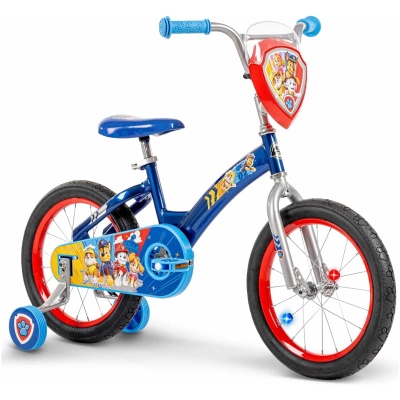
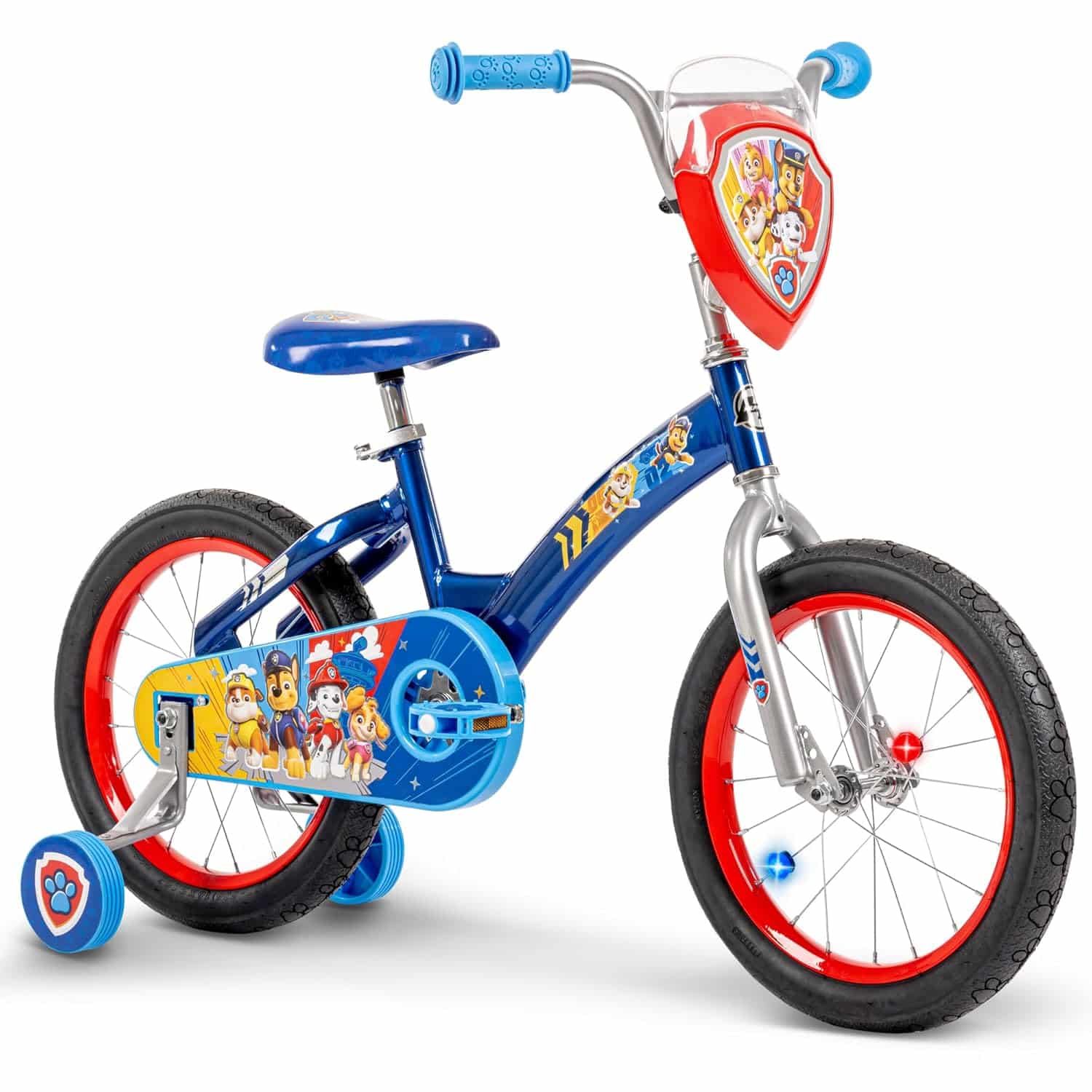
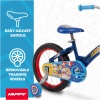
When a child sits on a bike for the first time, the experience shapes their confidence for years to come. The Huffy Paw Patrol Kids’ Bike, available in 12-inch and 16-inch wheel sizes, addresses the specific needs of beginner riders aged 2 to 8. This bike is engineered with a low standover frame geometry, which allows children to place both feet flat on the ground while seated. This design reduces the fear of falling and encourages independent balancing from the very first ride. The frame is constructed from durable steel, providing a stable platform that can withstand the bumps and scrapes of learning to ride on sidewalks, driveways, and paved paths. Unlike many generic children’s bikes, this model integrates removable training wheels as a standard component, not an afterthought. The training wheels are mounted on a reinforced bracket system that keeps them aligned during use, preventing the wobble that can frustrate new riders. For parents, the bike arrives partially assembled, with clear instructions for attaching the front wheel, handlebars, seat, and training wheels. The 12-inch version suits riders with an inseam of approximately 14 to 17 inches, while the 16-inch version accommodates inseams of 16 to 20 inches, making size selection straightforward based on your child’s current height. Every component, from the coaster brake to the adjustable seat post, is chosen to minimize complexity and maximize safety for young riders who are still developing coordination and spatial awareness.
Frame Geometry and Standover Height for Small Riders
The foundation of any child’s bike is its frame, and the Huffy Paw Patrol model uses a specific geometry tailored to early riders. The top tube is dropped significantly lower than on traditional bikes, creating a step-through design that eliminates the need to swing a leg over a high bar. This is particularly important for children aged 2 to 5, who may lack the balance or leg strength to mount a standard frame safely. The standover height on the 12-inch model measures approximately 14 inches from the ground to the top of the frame at the midpoint, while the 16-inch model offers a standover height of about 16 inches. When your child stands over the bike with both feet flat, there should be at least one to two inches of clearance between the frame and their body. This clearance prevents discomfort and allows for quick dismounts if the bike starts to tip. The frame is constructed from high-tensile steel, which adds weight compared to aluminum but provides superior durability for the repeated impacts that occur during learning. The welds at the head tube, bottom bracket, and seat cluster are reinforced with gussets to prevent cracking under stress. The fork is also steel, with a straight blade design that offers predictable steering response without the flex that can confuse a beginner. A rigid suspension, meaning no front or rear shock absorbers, is intentional for this skill level. Suspension systems add weight, complexity, and maintenance requirements that are unnecessary for paved surfaces. The rigid fork keeps the front wheel tracking straight, which helps children learn to steer with precision rather than compensating for suspension bob. The frame’s geometry also positions the seat tube at a 70-degree angle, placing the rider slightly forward for natural pedaling posture without excessive reach to the handlebars.
Coaster Brake System and Stopping Control for Beginners
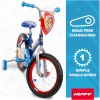
Braking is one of the most critical safety elements on any child’s bike, and the Huffy Paw Patrol model uses a coaster brake system exclusively. A coaster brake engages when the rider pedals backward, applying friction inside the rear hub to slow the wheel. This design is standard for beginner bikes because it eliminates the need for hand strength, coordination, and fine motor control that hand brakes require. Children as young as two often lack the grip strength to squeeze a hand brake lever effectively, especially in an emergency. The coaster brake on this bike is a sealed cartridge unit, meaning the internal components are protected from dirt, moisture, and debris that can degrade performance over time. The brake engages with a smooth, progressive feel rather than a sudden lock-up, allowing the child to modulate stopping force by how far they pedal backward. This predictability helps young riders develop an intuitive sense of braking distance. The rear hub is threaded to accept the coaster brake arm, which is secured to the left chainstay with a torque arm bracket. This bracket prevents the brake from rotating when engaged, ensuring consistent stopping power. For parents, the coaster brake requires minimal maintenance, occasional lubrication of the hub bearings and inspection of the brake arm connection are sufficient. There are no cables to adjust, no pads to replace, and no levers to align. This simplicity is a deliberate choice for the beginner skill level, as it removes a common point of frustration for both child and parent. The bike does not include a front brake, which is appropriate for this category. A front brake on a small bike can cause a child to pitch over the handlebars if applied suddenly, especially on a lightweight bike where the center of gravity is higher. The single rear coaster brake provides adequate stopping power for speeds under 8 mph, which is the typical maximum speed for a child pedaling on level ground.
Removable Training Wheels and Stability Transition
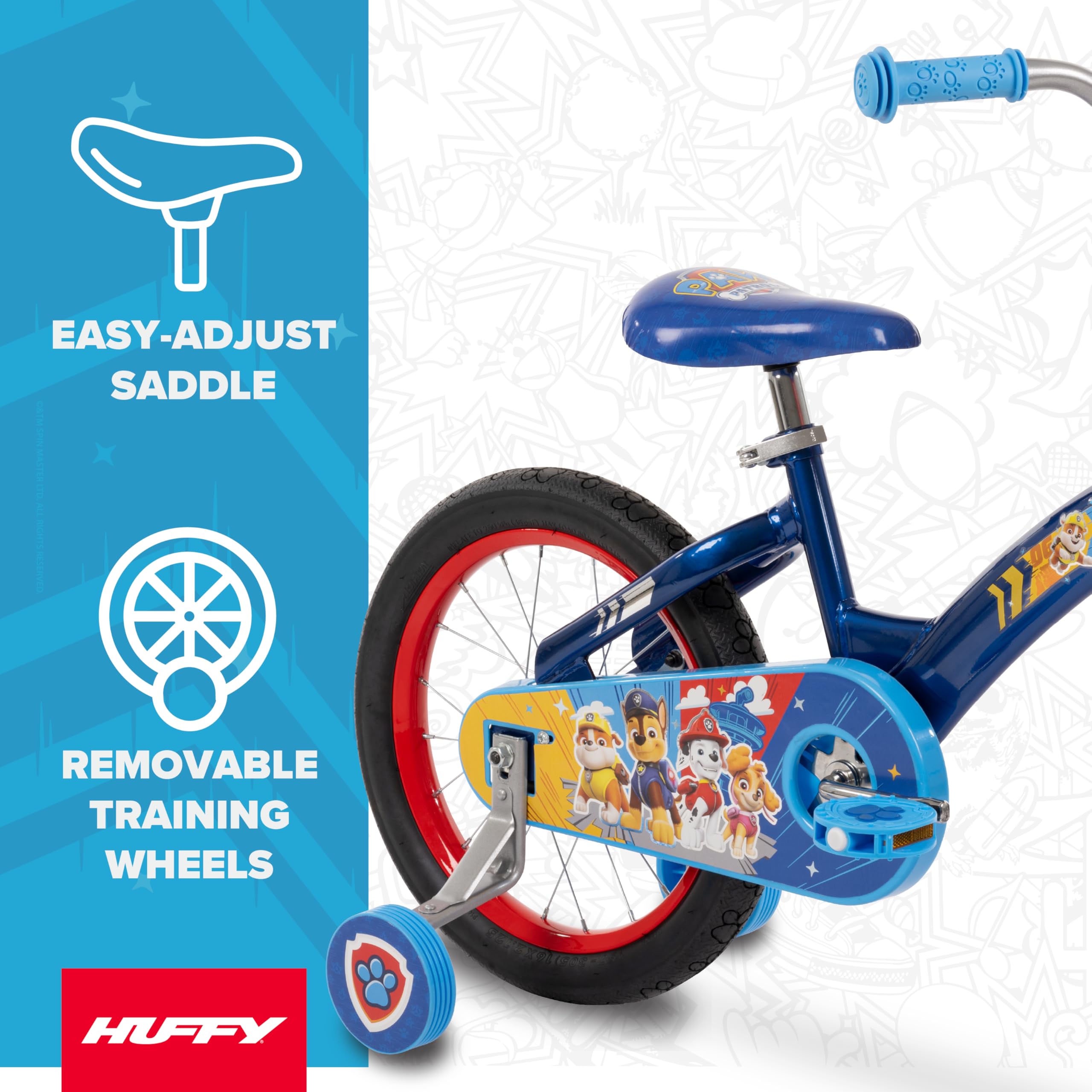
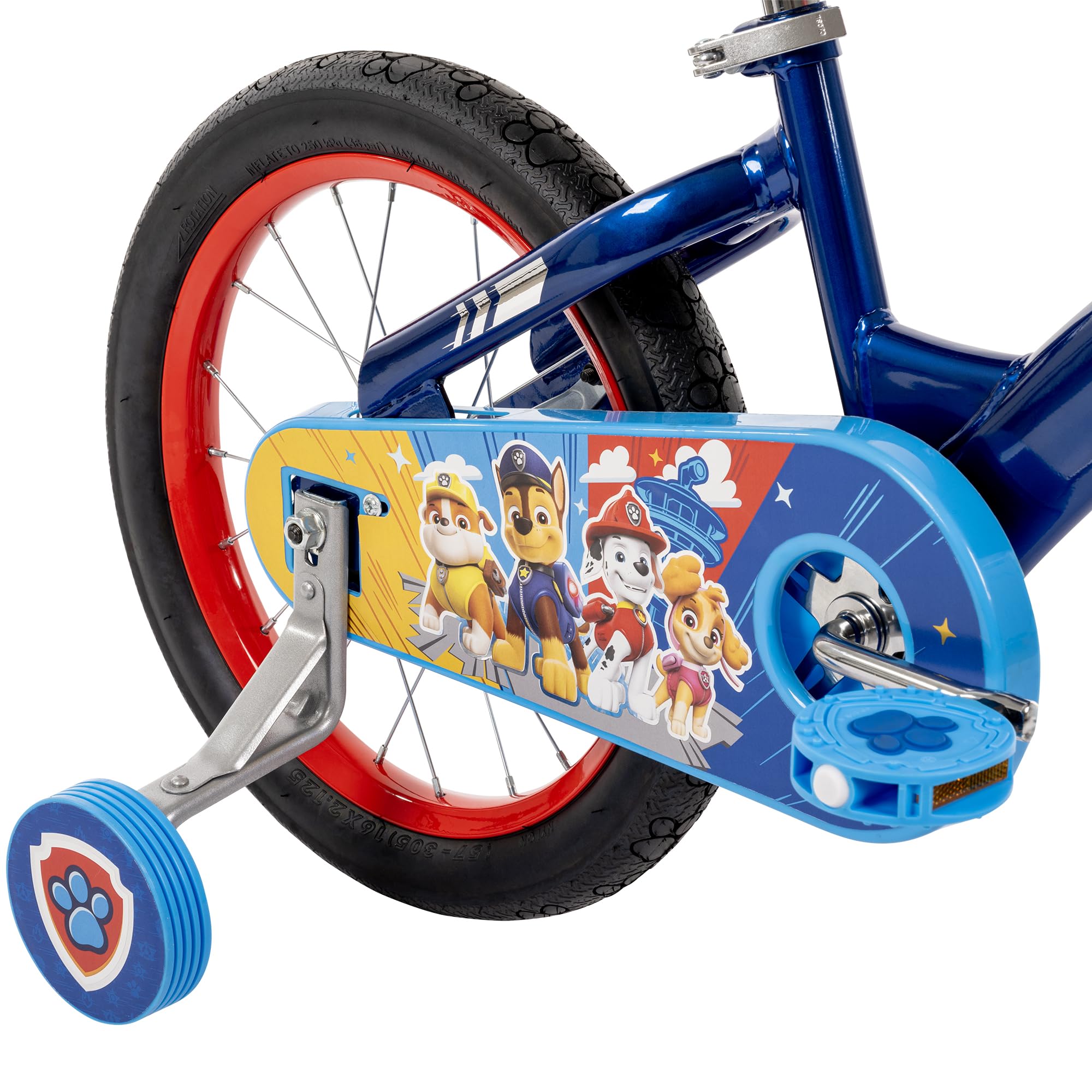
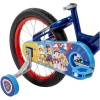
The training wheels included with the Huffy Paw Patrol bike are not the flimsy, bolt-on accessories found on some budget models. They are constructed from 3.5-inch diameter steel wheels with rubber tires, mounted on a heavy-gauge steel bracket that attaches to the rear axle and a secondary frame mount point. This dual-mount system prevents the training wheels from rotating out of alignment, which is a common issue with single-bolt designs. The wheels are positioned slightly wider than the rear tire, providing a stable triangular base that resists tipping during turns. Each training wheel is adjustable in height via a slotted bracket, allowing you to set them so that both wheels contact the ground simultaneously when the bike is upright. For the initial learning phase, set the training wheels so they are level with the rear tire, providing maximum stability. As your child gains confidence, you can raise each wheel by one-quarter inch increments, gradually reducing the support and encouraging the child to balance on two wheels. The bracket uses a 10mm hex bolt and lock washer, which can be adjusted with a standard wrench. The training wheels are designed to be fully removable once the child has mastered balancing, typically after two to four weeks of consistent practice. Removal requires only loosening the axle nuts and sliding the bracket off, leaving a standard rear axle configuration. The bike’s frame and fork are designed to operate without training wheels, so there is no structural compromise when they are removed. The rear dropouts are horizontal, allowing for proper chain tension adjustment when the training wheels are taken off. This transition is smooth because the bike’s geometry remains unchanged, the child simply learns to balance without the training wheels’ support. The training wheels themselves are painted to match the bike’s color scheme, with a chrome finish on the steel rim that resists rust from exposure to rain or puddles.
Adjustable Seat Post and Handlebar Stem for Growing Riders
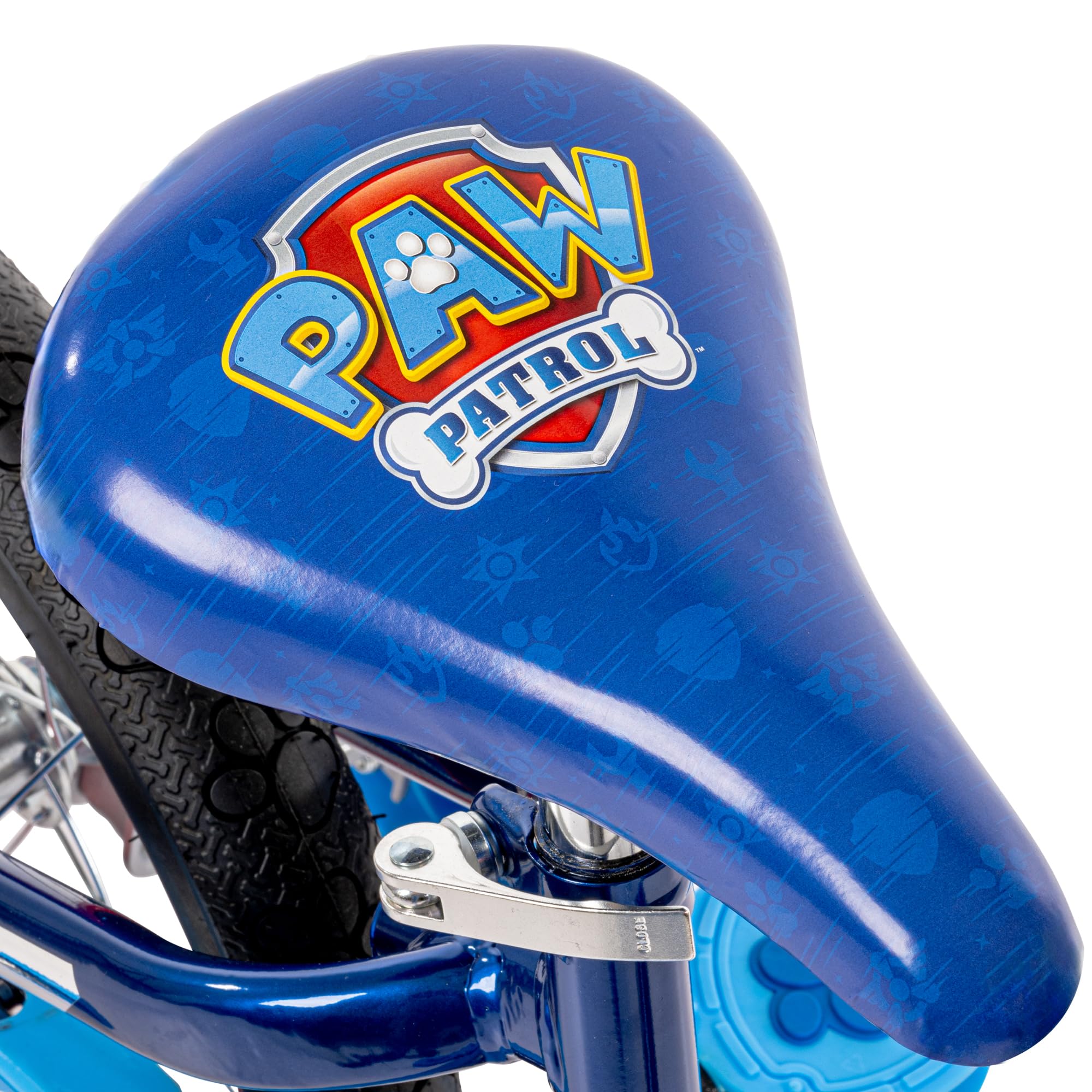
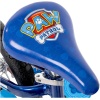
Children grow quickly, and a bike that fits properly at purchase may become too small within a year. The Huffy Paw Patrol bike addresses this with an adjustable seat post and handlebar stem that accommodate a range of rider heights. The seat post is a 25.4mm diameter steel tube with a 250mm length on the 16-inch model and 200mm on the 12-inch model. It is secured by a quick-release clamp or a hex bolt clamp, depending on the production batch. The quick-release version allows tool-free adjustment, which is convenient for parents who need to raise the seat as the child grows. The seat itself is padded with a contoured shape that supports the sit bones without excessive bulk. The cover is a vinyl material that wipes clean with a damp cloth, resisting stains from grass, mud, or spilled drinks. The handlebar stem is a quill-style stem that inserts into the fork’s steerer tube. It offers approximately 50mm of vertical adjustment, allowing you to raise the handlebars as the child grows taller. The stem is secured with a single hex bolt at the top, which compresses a wedge inside the steerer tube. This design is simple and reliable, with no moving parts that can loosen over time. The handlebars themselves are 560mm wide on the 16-inch model and 520mm on the 12-inch model, providing a comfortable grip width for small shoulders. The grips are soft rubber with a ribbed texture, preventing the child’s hands from slipping during pedaling. The handlebar ends are capped with plastic plugs to prevent injury in case of a fall. The combination of adjustable seat and handlebar height means the bike can fit a child for two to three years, depending on growth rate. For the 12-inch model, the seat height range is approximately 14 to 18 inches from the ground. For the 16-inch model, the range is 16 to 22 inches. This adjustability eliminates the need to purchase a new bike every season, saving money and reducing waste.
Paw Patrol Graphics and LED Spoke Lights for Visibility
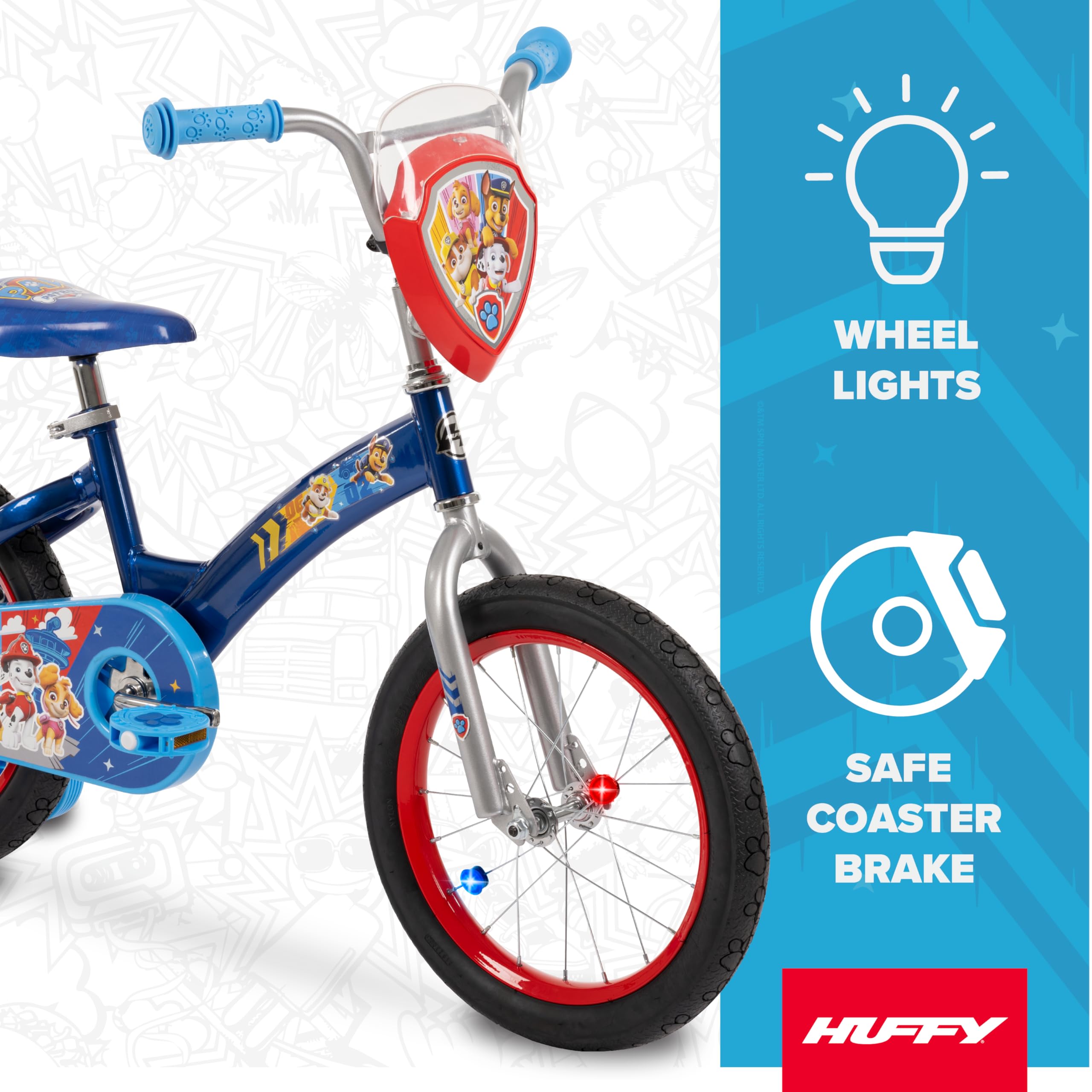
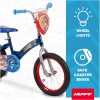
The visual design of the Huffy Paw Patrol bike is a key factor in its appeal to young fans of the show. The frame, fork, and components feature full-color graphics depicting characters such as Chase, Marshall, Skye, and Rubble, depending on the specific design variant. The graphics are applied using a heat-transfer process that bonds the image to the paint, preventing peeling or fading from sun exposure or rain. The base paint color is a glossy finish that resists chipping, with a clear coat overlay that adds depth to the graphics. The bike also includes a Paw Patrol handlebar plaque, which is a molded plastic piece attached to the center of the handlebars. This plaque features a raised character design and is secured with two screws, making it easy to remove if the child prefers a cleaner look. The most functional design element is the LED spoke lights, which are installed on the front wheel’s spokes. These lights are powered by a small battery pack housed in a plastic casing that attaches to the axle. The lights activate when the wheel spins, using centrifugal force to close the circuit. They do not require a switch or manual activation, which simplifies operation for young children. The LED lights are visible from the side and front, increasing the bike’s visibility to drivers and pedestrians during low-light conditions such as dusk or overcast days. The lights are not intended as a primary safety device, they complement, not replace, reflective gear and parental supervision. The battery pack uses two CR2032 coin cell batteries, which are replaceable. The lights have an estimated lifespan of 50 to 100 hours of intermittent use, depending on riding frequency. The spoke lights are mounted on the front wheel only, as the rear wheel’s coaster brake mechanism prevents easy installation. This placement is strategic, as the front wheel is the most visible to oncoming traffic. The lights are housed in a translucent plastic shell that is impact-resistant, surviving minor crashes without breaking. For parents who prefer a quieter ride, the lights can be removed by unscrewing the mounting bracket from the spokes, leaving no permanent modification to the wheel.
Pedal and Crank System for Efficient Power Transfer
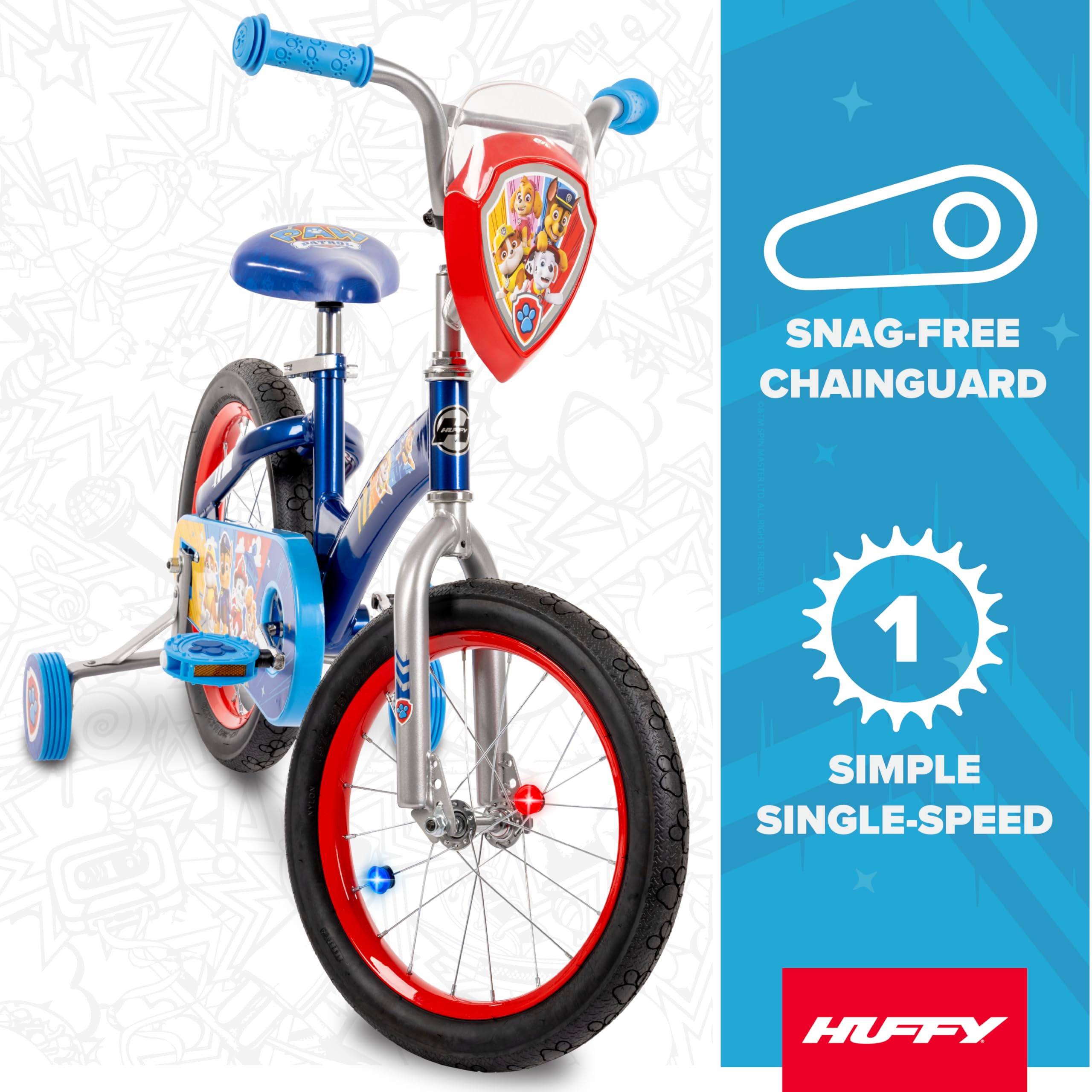
The pedals and crank on the Huffy Paw Patrol bike are designed for the specific biomechanics of young riders. The crank arms are forged from steel, with a length of 89mm on the 12-inch model and 102mm on the 16-inch model. These shorter crank lengths accommodate the shorter leg length of children, allowing them to complete a full pedal rotation without overextending their knees. The pedals are plastic with a textured surface that provides grip for small shoes. They are 4 inches long and 2.5 inches wide, offering a stable platform that prevents the foot from slipping off during pedaling. The pedals thread onto the crank arms using a standard 9/16-inch thread, which is the same size used on adult bikes, making replacement straightforward if the pedals wear out. The bottom bracket is a one-piece design, meaning the crank arms are attached to a single steel spindle that runs through the frame’s bottom bracket shell. This design is durable and simple, with sealed bearings that resist contamination from dirt and water. The chainring is a 36-tooth steel sprocket, paired with a 16-tooth rear cog. This gear ratio provides a low pedaling resistance, allowing the child to accelerate quickly from a stop without straining. The top speed is limited by the child’s pedaling cadence, typically reaching 5 to 7 mph on flat ground. The chain is a standard 1/2-inch pitch roller chain, protected by a full chain guard that covers the top and side of the chainring. The chain guard prevents clothing, shoelaces, or fingers from becoming caught in the chain, which is a common injury risk on bikes without guards. The guard is made from molded plastic that is bolted to the frame, with a cutout that allows the crank to rotate freely. The chain tension is adjusted by moving the rear wheel forward or backward in the horizontal dropouts, secured by two 14mm axle nuts. Proper chain tension is maintained by ensuring the chain has approximately half an inch of vertical play at the midpoint between the chainring and rear cog. This system requires minimal maintenance, occasional lubrication of the chain with a light oil and periodic inspection of the chainring bolts are sufficient to keep the drivetrain functioning smoothly for years.
Assembly Requirements and Tools Needed for Setup
The Huffy Paw Patrol bike ships in a box that measures approximately 30 inches by 18 inches by 8 inches for the 12-inch model, and 34 inches by 20 inches by 8 inches for the 16-inch model. The bike is partially assembled, with the frame, fork, rear wheel, and drivetrain pre-installed. The front wheel, handlebars, seat, pedals, training wheels, and handlebar plaque are separate and require attachment. The assembly process takes approximately 30 to 45 minutes for a person with basic mechanical skills. The required tools are a 5mm hex wrench, a 10mm wrench, a 14mm wrench, and a Phillips-head screwdriver. These tools are not included in the box, so you will need to provide them. The assembly steps are as follows: First, insert the handlebar stem into the fork’s steerer tube and tighten the quill bolt to 10 Nm of torque. Second, attach the front wheel by inserting the axle into the fork dropouts and tightening the axle nuts to 15 Nm. Third, install the seat post into the frame and tighten the clamp. Fourth, attach the pedals to the crank arms, noting that the left pedal has a reverse thread. Fifth, mount the training wheels to the rear axle using the provided bracket and bolts. Sixth, attach the handlebar plaque using the two screws. Seventh, install the LED spoke light battery pack and secure it to the spokes. Finally, check all bolts for tightness and inflate the tires to the recommended pressure of 30 to 35 psi. The tires are 12-inch or 16-inch knobby tires with a smooth center tread for low rolling resistance on pavement. The inner tubes are standard Schrader valve tubes, compatible with any standard bike pump. The bike does not require any special tools for ongoing maintenance, and all replacement parts, such as tires, tubes, pedals, and grips, are standard sizes available at any bike shop or online retailer. The assembly instructions are printed on a single sheet with diagrams, and Huffy also provides a digital version on their website. For parents who prefer professional assembly, most bike shops will assemble the bike for a fee ranging from 20 to 40 dollars.