
Building Early Reading Confidence with Skye and the PAW Patrol Team
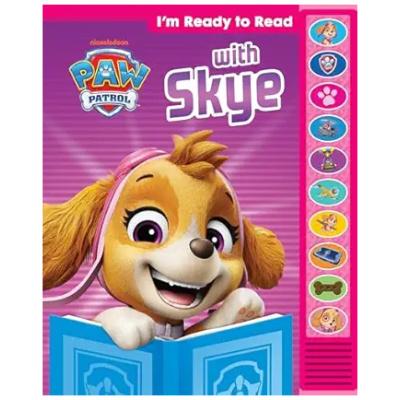
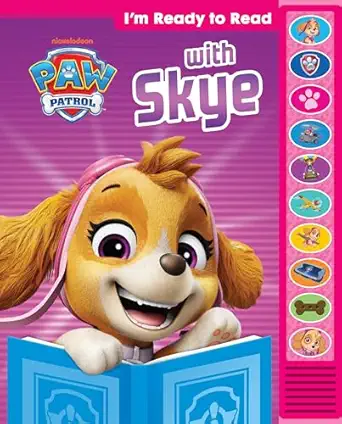
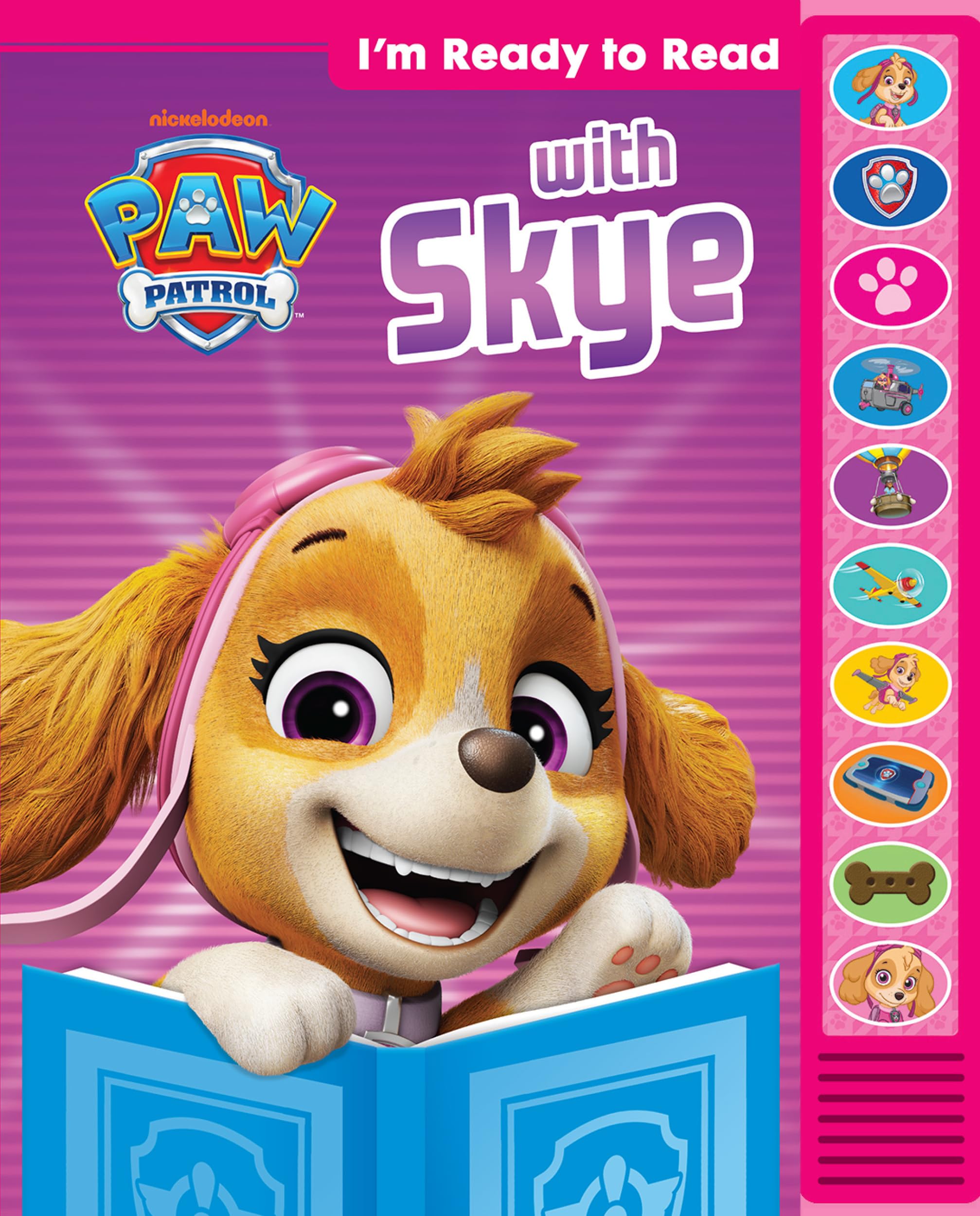
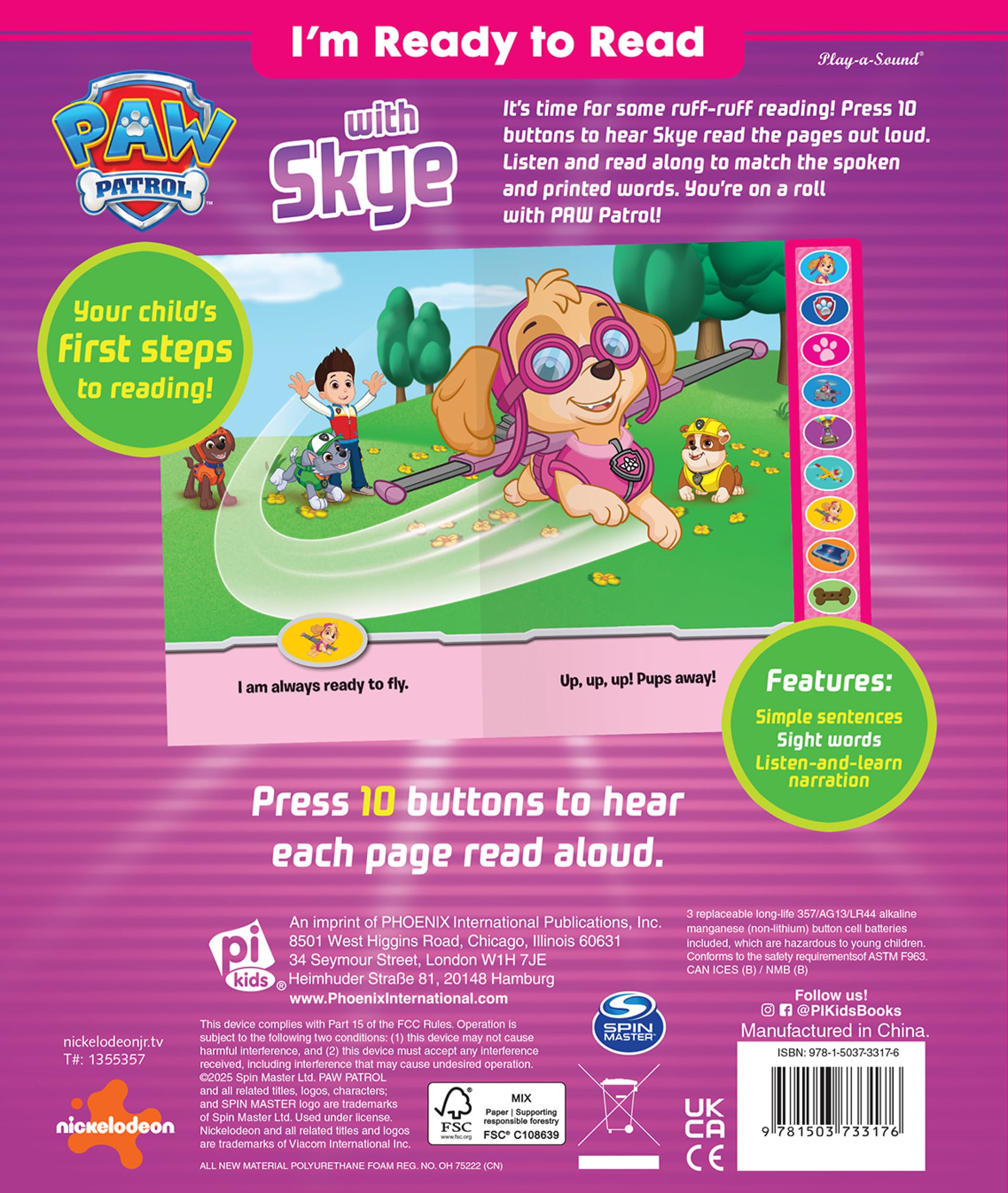
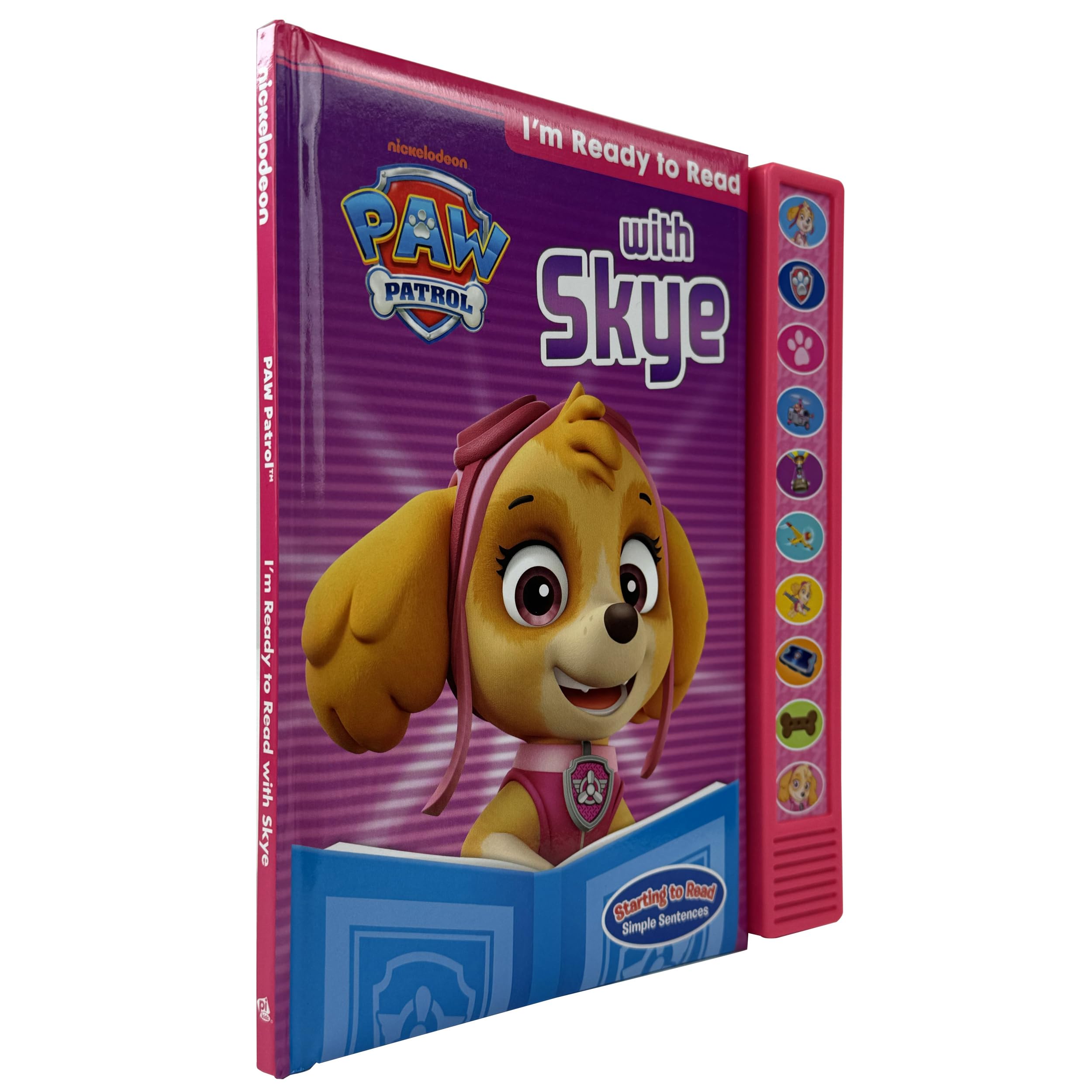
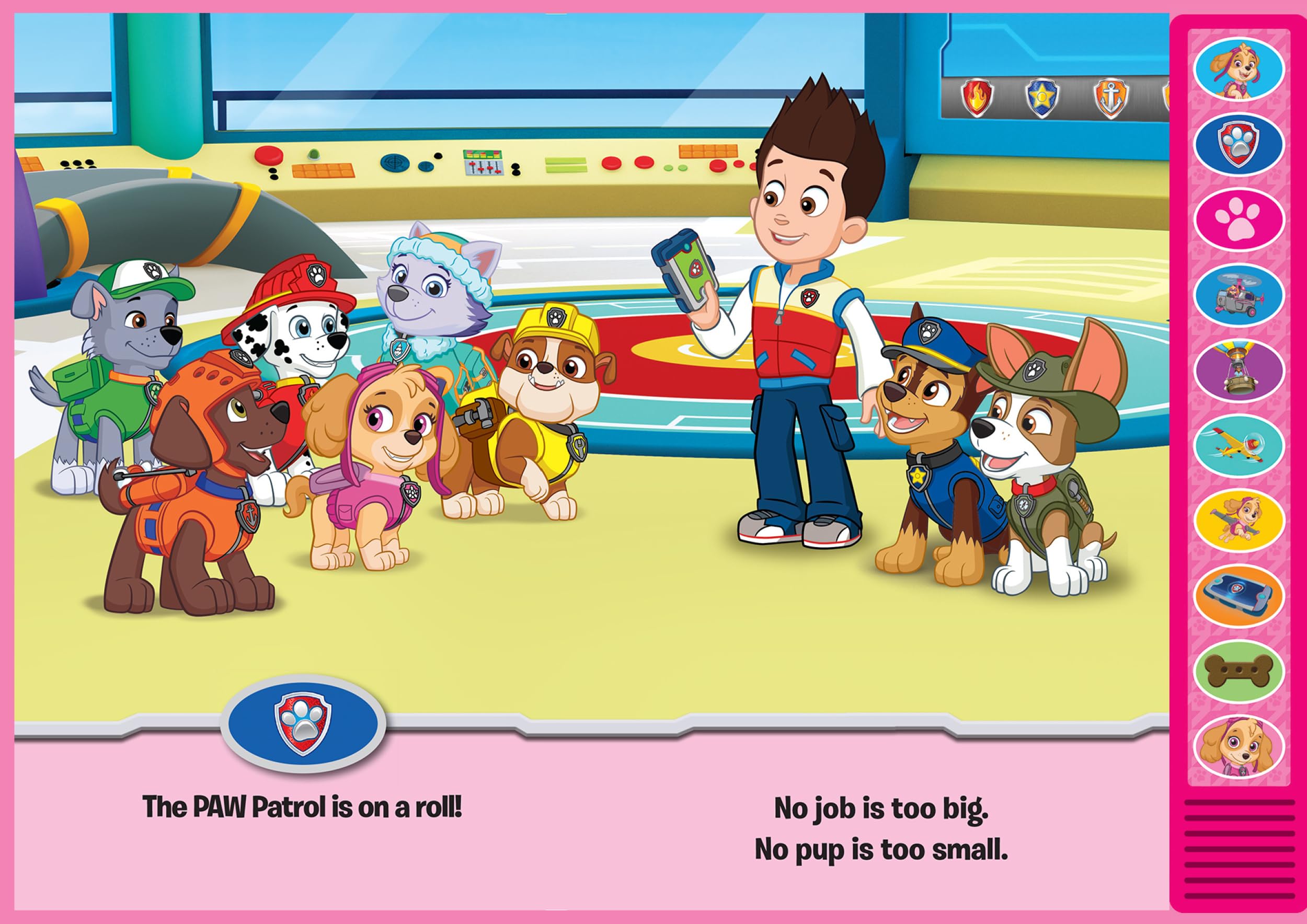
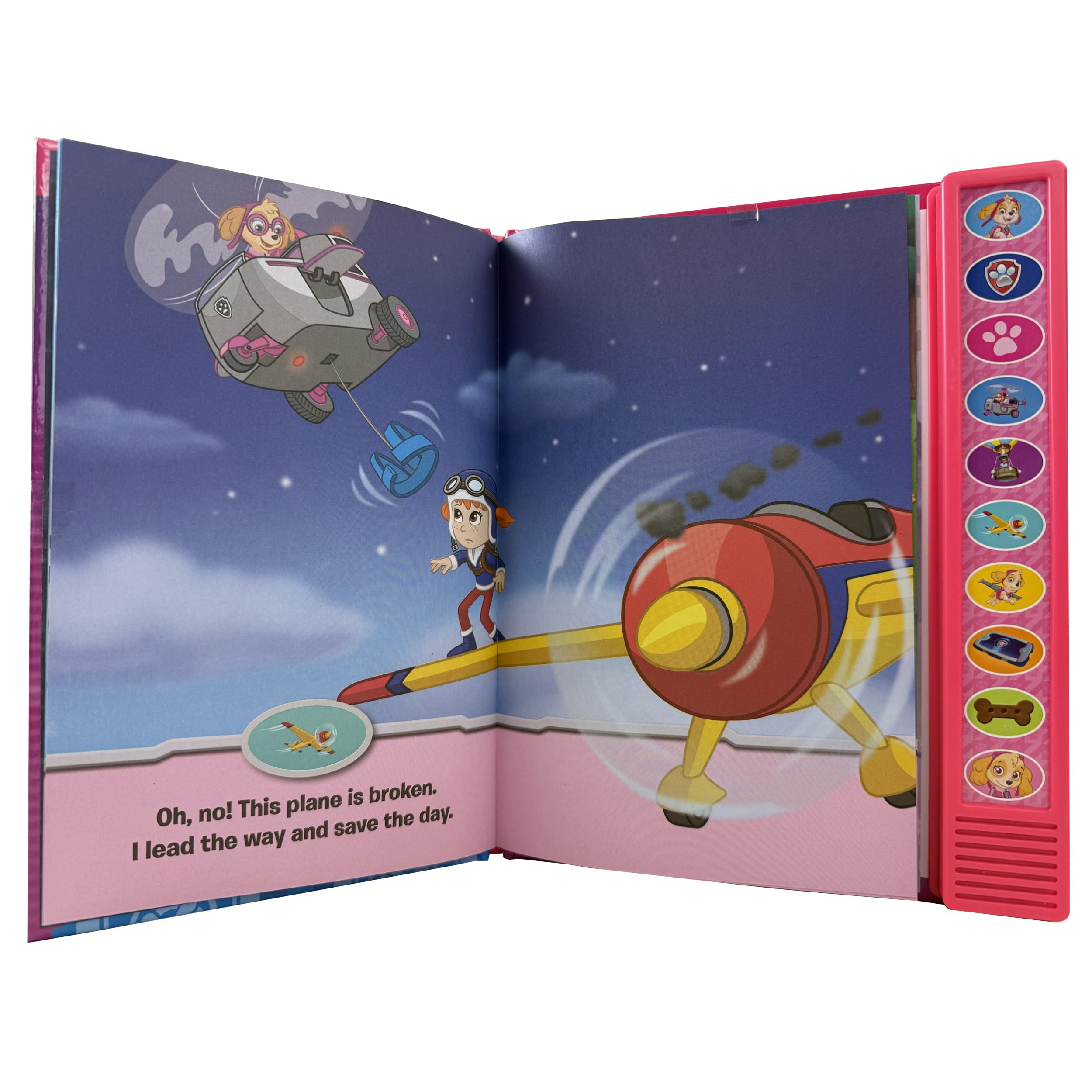
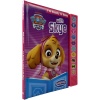
For parents seeking a structured, interactive tool to support their child’s first steps into reading, the *PAW Patrol I’m Ready to Read with Skye* interactive sound book offers a carefully designed blend of familiar characters and systematic phonics practice. Published by PI Kids as part of their respected “I’m Ready to Read” series, this 24-page hardcover book focuses on Skye, the beloved cockapoo pilot from Adventure Bay, to guide young readers through ten short, simple stories. Each story is built around a core vocabulary of high-frequency sight words and decodable words, making this a practical resource for children ages 2 to 8 who are beginning to recognize letters, sounds, and simple sentences. The book’s interactive sound module, which features ten buttons that correspond to each story, provides immediate auditory feedback, a feature that research in early literacy suggests can reinforce word recognition and build reading fluency. Unlike passive screen-based activities, this book encourages active participation: the child reads the text aloud or follows along, then presses the matching sound button to hear the story read by a narrator. This dual approach, visual tracking plus auditory reinforcement, helps bridge the gap between spoken language and printed words. For parents, the book serves as a low-pressure, screen-free activity that can be done together or independently, depending on the child’s skill level. The stories themselves are short, typically two to four sentences per page, and feature familiar PAW Patrol scenarios: rescues, teamwork, and problem-solving. This familiarity reduces cognitive load, allowing the child to focus on decoding words rather than processing new plotlines. The hardcover format and sturdy sound module are built to withstand repeated use, and the book’s compact size (roughly 8 x 8 inches) makes it easy to store on a shelf or toss into a diaper bag for on-the-go learning. While the book is marketed for early readers, it also works well as a read-aloud tool for younger toddlers who are still building listening comprehension and print awareness. The voice of the narrator is clear, warm, and paced appropriately for young listeners, with no distracting background music or sound effects that might overwhelm the reading experience. For families already invested in the PAW Patrol universe, this book offers a natural extension of screen time into literacy time, leveraging the characters’ appeal to sustain attention and motivation. The book’s design reflects an understanding of how young children learn best: through repetition, multisensory engagement, and connection to characters they already love. It is not a toy disguised as a book, but rather a genuine early reading tool that respects the developmental stages of emergent literacy.
How the Interactive Sound Module Supports Phonics and Sight Word Recognition
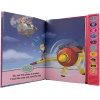
The core educational mechanism of this book lies in its ten-button sound module, which is integrated into the right-hand side of the book’s cover. Each button is labeled with a number from 1 to 10, corresponding to the ten stories inside. When pressed, the button plays a full narration of that story, read by a professional voice actor. This design is not arbitrary; it is based on the principle of echo reading, a technique often used in classrooms and reading interventions. In echo reading, the child hears a fluent model of the text, then attempts to read the same text independently. Here, the child can first listen to the story, then read it aloud themselves, or they can read along with the narration, tracking the words with a finger. The sound module also includes a “try me” mode in the packaging, but in the actual book, the buttons are responsive and easy for small fingers to press without requiring excessive force. The audio quality is clear, with no static or distortion, and the narration is paced at approximately 100-120 words per minute, slower than typical adult speech but faster than a struggling reader might manage alone. This pace is intentional: it provides a fluent model without being so slow that it sounds unnatural or robotic. Each story contains between 20 and 40 words, and the vocabulary is carefully controlled. High-frequency words like “the,” “and,” “is,” “can,” “see,” “go,” and “up” appear repeatedly across stories, giving the child multiple exposures in different contexts. For example, in one story, Skye “can see the cat,” and in another, she “can go up.” This repetition is a cornerstone of sight word acquisition. Additionally, the book introduces a few decodable words, words that can be sounded out phonetically, such as “cat,” “dog,” “hat,” and “run.” These words are short, with simple consonant-vowel-consonant (CVC) patterns, making them accessible to children who have learned basic letter sounds. The sound module does not provide letter-by-letter decoding support; instead, it reinforces whole-word recognition through repeated listening and reading. For parents who want to extend the learning, the book’s back cover includes a list of the ten sight words and ten decodable words featured in the stories. This list can be used for flashcard practice or word hunts. The module requires three AAA batteries, which are included in the packaging but may need to be replaced after extended use. PI Kids estimates the battery life at approximately 3-4 hours of continuous play, though actual usage will vary. The module has an automatic shut-off feature after a few minutes of inactivity, which helps conserve battery life. Importantly, the sound module is not a toy that plays music or sound effects unrelated to the text; every button press delivers a complete story narration, keeping the focus squarely on reading. This distinguishes it from many other sound books on the market that use sounds as rewards or distractions. The module’s design also includes a volume control switch, with two settings: low and high. The low setting is appropriate for quiet reading time or car trips, while the high setting works well in noisier environments. The speaker is located on the back of the module, so the sound projects outward rather than being muffled against a surface. For parents concerned about durability, the module is recessed into the book’s cover, reducing the risk of damage from drops or rough handling. The buttons are covered with a clear plastic membrane that resists peeling and is easy to clean with a damp cloth. Overall, the sound module is a thoughtful, functional tool that enhances the reading experience without overwhelming it.
Story Structure and Vocabulary Progression Across Ten Mini-Adventures
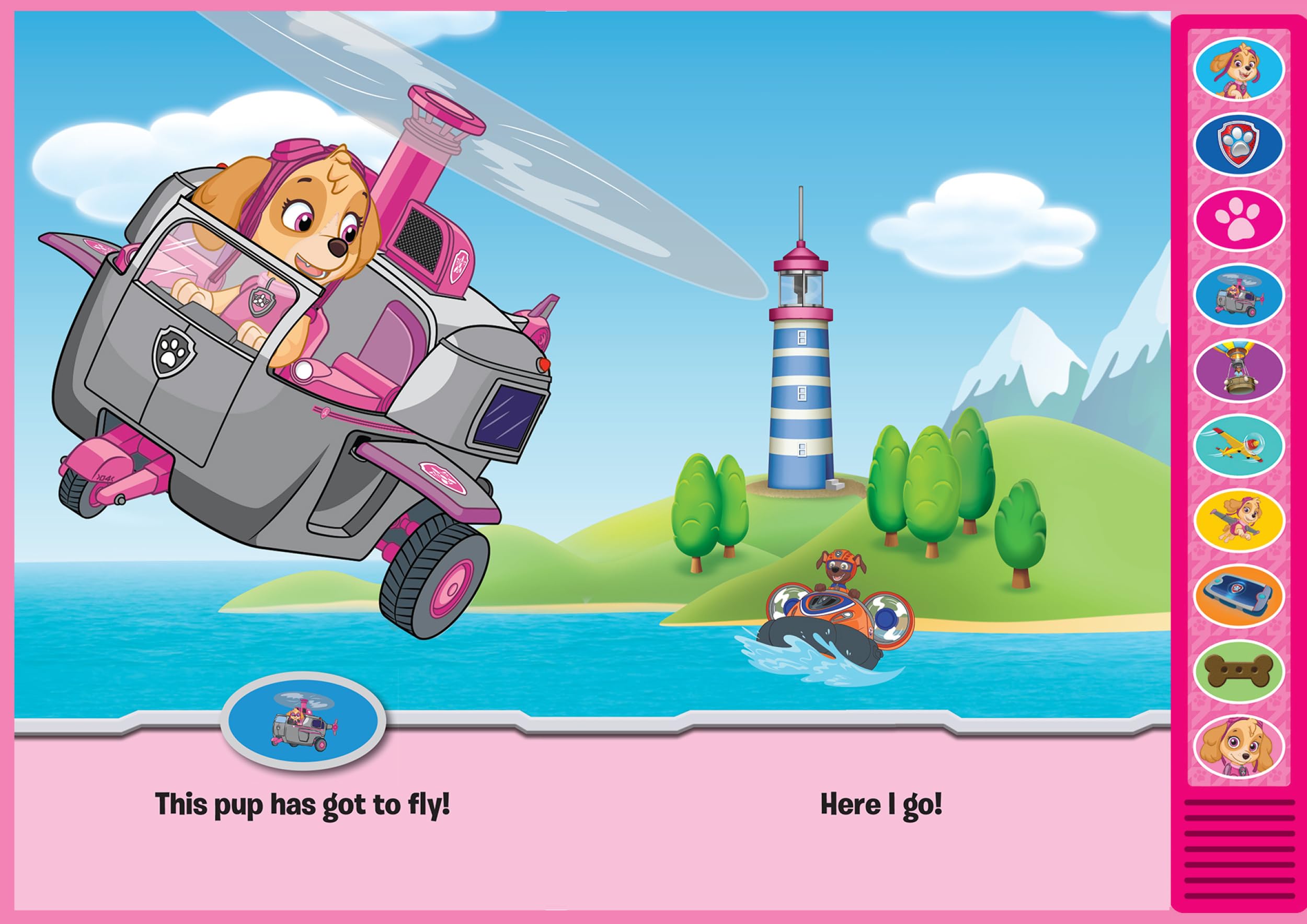
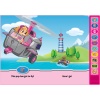
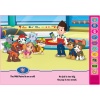
The ten stories in this book are not random; they follow a deliberate progression in both length and complexity, designed to build a child’s reading stamina incrementally. The first story, “Skye Can Fly,” contains just three sentences: “Skye can fly. She can see the clouds. Skye is happy.” This story introduces the sight word “can” and the decodable word “fly,” which is a common word but not strictly phonetic (the “y” makes a long “i” sound). The second story, “The Lost Cat,” adds the sight word “the” and the decodable word “cat,” which is fully phonetic. By the fifth story, “Up and Down,” the sentences have grown to four or five lines, and the vocabulary includes words like “up,” “down,” “go,” and “stop.” The final story, “Skye’s Big Rescue,” is the longest, with eight sentences and a more complex plot: Skye must rescue a puppy trapped on a cliff. This story introduces the sight word “help” and the decodable word “cliff,” which includes the consonant blend “cl.” Across all ten stories, the total unique word count is approximately 60 words, but the total running word count is around 300 words. This means each word is repeated an average of five times, which is consistent with research showing that children need between 4 and 14 exposures to a word before it becomes part of their sight vocabulary. The stories are illustrated with full-color images from the PAW Patrol TV show, featuring Skye, Marshall, Chase, Rubble, Zuma, Rocky, and Ryder. The illustrations are not merely decorative; they provide contextual cues that help children decode unfamiliar words. For example, in the story “The Big Puddle,” the illustration shows Skye splashing through a puddle, which helps the child infer the meaning of the word “puddle” even if they cannot yet decode it phonetically. This use of picture support is a well-established strategy in leveled readers. Each story also includes a small icon in the corner of the page that matches the number on the sound button, helping the child independently navigate the book without needing to read the page numbers. The font size is large (approximately 18-point), with generous spacing between words and lines, reducing visual clutter and making it easier for beginning readers to track text left to right. The text is printed in a serif font, which some studies suggest may be easier for children to recognize because of the distinct shapes of letters. The paper is thick, matte-finish cardstock, which reduces glare and is resistant to tearing. The binding is sewn rather than glued, allowing the book to lie flat when open, a practical feature for small hands. The cover is padded and slightly thicker than the pages, providing protection for the corners. For parents who are concerned about the gender representation in the stories, it is worth noting that Skye is the central character in all ten tales, and she is portrayed as capable, brave, and resourceful. She flies, rescues, solves problems, and works with her team. This is a positive model for both girls and boys. The stories avoid stereotypes: Skye is not relegated to “cute” or “helper” roles; she is an active protagonist. The other PAW Patrol pups appear as supporting characters, but the focus remains on Skye’s actions. This consistency in character focus helps the child build a mental model of the protagonist, which supports comprehension. The stories also include simple dialogue, indicated by quotation marks, which introduces children to this punctuation mark in context. For example, in one story, Ryder says, “Good job, Skye!” The child sees the quotation marks and hears the narrator’s voice change slightly to indicate speech, reinforcing the connection between punctuation and meaning.
Practical Tips for Parents to Maximize the Learning Potential of This Book
To get the most out of the *PAW Patrol I’m Ready to Read with Skye* book, parents can adopt a few simple strategies that align with evidence-based reading instruction. First, establish a consistent routine: read one story per day, or two if the child is eager, but avoid rushing through all ten in a single sitting. The repetition across stories is designed to build retention, so spacing out the readings over several days or weeks is more effective than massed practice. Before pressing the sound button, ask the child to look at the picture and predict what the story might be about. This activates prior knowledge and sets a purpose for reading. Then, read the story aloud together, pointing to each word as you say it. This finger-pointing technique, known as tracking, helps the child connect spoken words to printed text and reinforces left-to-right directionality. After reading, press the sound button and have the child listen to the narration while following along with their own finger. This provides a second exposure with a fluent model. Finally, ask a simple comprehension question, such as “What did Skye do in this story?” or “Why was the cat lost?” This checks for understanding and encourages the child to think beyond word decoding. For children who are more advanced, you can cover the picture with a piece of paper and ask them to read the text independently before revealing the illustration. This forces them to rely on decoding skills rather than picture cues. For children who are struggling, slow down and focus on one or two words per page, using the sound button to reinforce those words. The book’s vocabulary list on the back cover can be used for additional practice: write the words on index cards and play a matching game, or hide the cards around the room and have the child find them and read them aloud. Another effective strategy is to have the child echo-read after the sound button: press the button to hear one sentence, then pause the book and have the child repeat that sentence aloud. This builds fluency and confidence. For siblings or playdates, the book can be used in a “reader’s theater” format: one child presses the button to hear the story, while another child acts out the actions. This adds a kinesthetic element that can be particularly engaging for active learners. The book is also compatible with the “I’m Ready to Read” series from PI Kids, which includes other character-themed books (e.g., with Chase, Marshall, or the PAW Patrol team as a whole). Using multiple books in the series can provide additional repetition of the same sight words in new contexts, which is a powerful way to solidify word recognition. However, this book stands alone and does not require any other purchases. For parents who want to track progress, keep a simple log of which stories the child can read independently, and note any words that are consistently challenging. The book’s design encourages repeated readings, so do not be discouraged if the child wants to read the same story multiple times. This is a sign of learning, not boredom. Finally, remember that the goal is not speed but accuracy and comprehension. Celebrate small victories, such as correctly reading a word that was previously unknown, and avoid correcting every mistake immediately. Instead, let the child finish the sentence, then gently provide the correct word if needed. The sound button can also serve as a self-correction tool: if the child makes a mistake, they can press the button to hear the correct version and try again. This fosters independence and self-monitoring skills.
Durability, Design, and Safety Considerations for Everyday Use
When selecting a book for a young child, durability is a primary concern, and the *PAW Patrol I’m Ready to Read with Skye* book is constructed with this in mind. The cover is made of a thick, padded board material that resists bending and tearing. The pages are laminated cardstock, which can withstand spills, smudges, and the occasional enthusiastic page turn. The binding is reinforced with a sewn spine, which is less likely to separate than glued bindings, especially in humid environments. The sound module is housed in a plastic casing that is securely attached to the cover with multiple screws and a recessed slot. The module’s battery compartment is covered by a small screw-on plate, which prevents children from accessing the batteries, a critical safety feature, as button batteries can be hazardous if swallowed. The module itself is free of sharp edges, and the buttons are flush with the surface, reducing the risk of snagging or breaking. The book measures approximately 8.2 x 8.2 x 0.8 inches, making it easy for small hands to hold and carry. It weighs about 7.9 ounces, which is light enough for a toddler to manage without fatigue. The sound module’s speaker is located on the back of the book, so when the book is placed on a table or lap, the sound projects upward and outward. The volume control switch is recessed to prevent accidental changes. The book has been tested to meet ASTM F963-17 safety standards for toys, which includes checks for small parts, sharp points, and toxic materials. The paper and ink are non-toxic, and the book is free of phthalates and lead. For cleaning, the cover and pages can be wiped with a damp cloth and mild soap; the sound module should be wiped gently, avoiding moisture near the speaker grille. The book is not waterproof, so it should not be submerged or used in a bathtub. The sound module’s battery life is rated for approximately 3-4 hours of continuous use, but in practice, most families will replace the batteries every few months depending on frequency of use. The module uses three AAA batteries, which are widely available and inexpensive. A small Phillips-head screwdriver is required to open the battery compartment, which is a minor inconvenience but a necessary safety measure. The book’s design also includes a “try me” feature in the packaging, which allows parents to test the sound module before purchase. This is a useful quality assurance step. Overall, the book is built to survive the rigors of daily use by a preschooler, including drops, throws, and being chewed on (though chewing is not recommended). The materials are easy to clean, and the sound module is robust enough to withstand thousands of button presses. For families with multiple children, the book can be passed down or shared without significant wear. The only potential weak point is the paper hinge where the cover meets the spine, but the sewn binding mitigates this risk. If a button becomes unresponsive, it is usually due to a dead battery rather than a mechanical failure. PI Kids offers a limited warranty against manufacturing defects, and customer service is responsive to replacement requests. In summary, this book is a practical, long-lasting investment in a child’s early literacy journey, backed by thoughtful engineering and safety compliance.