What This Patch Is and Who It’s For
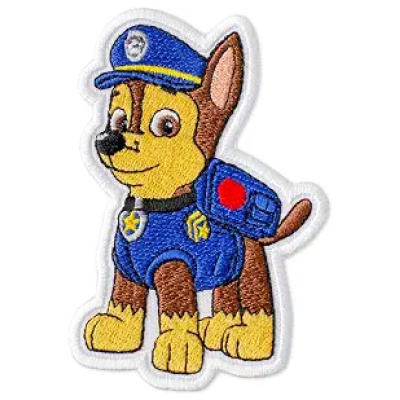
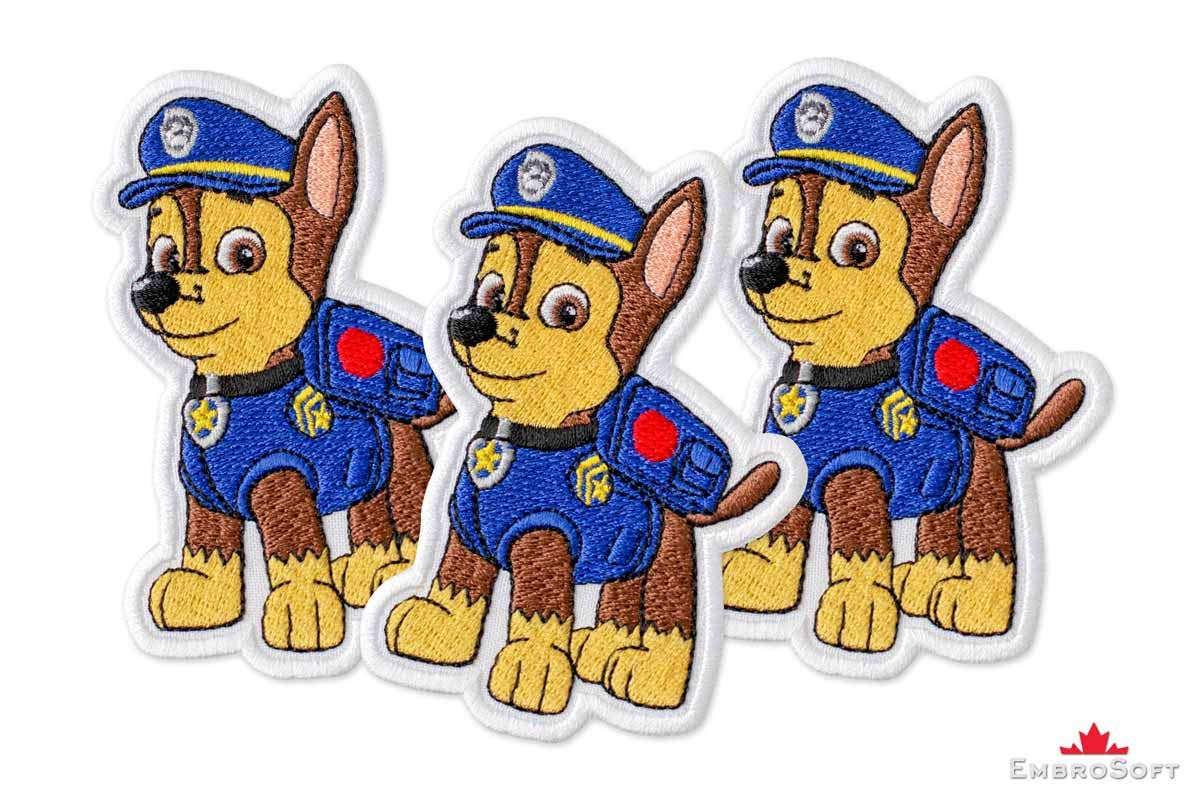
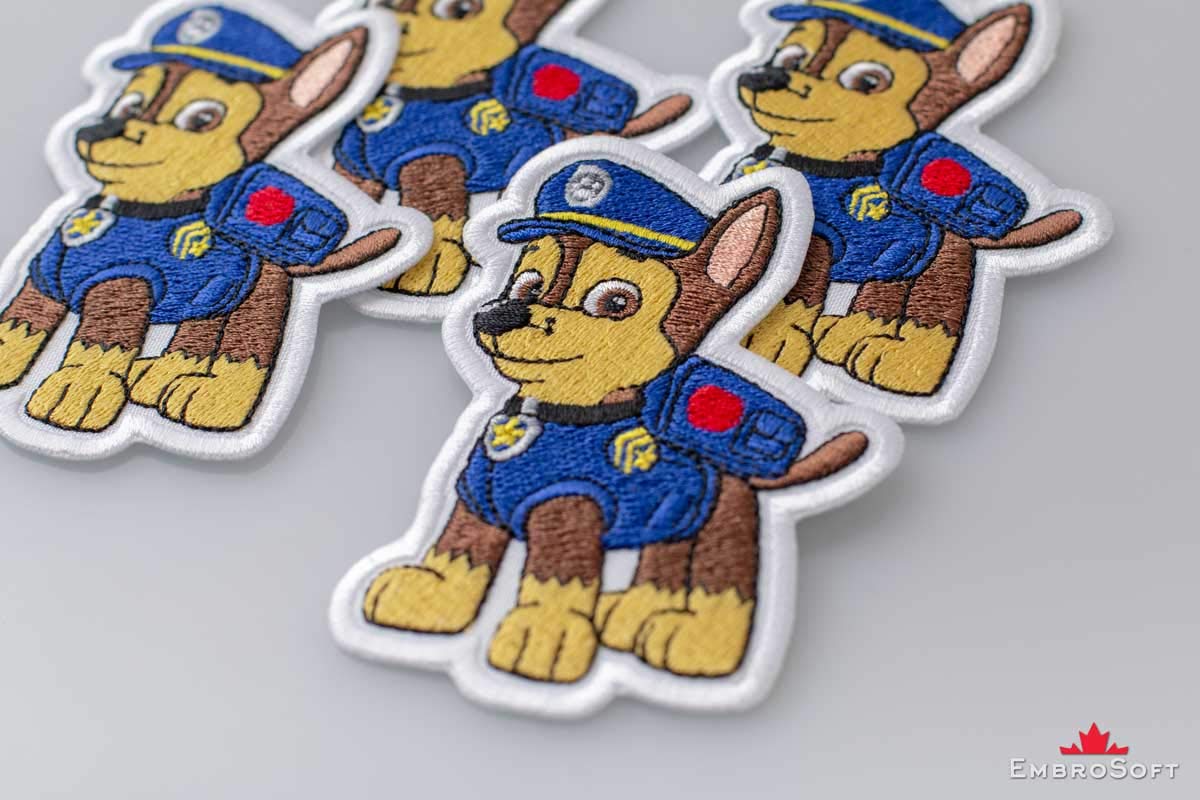
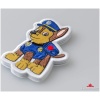
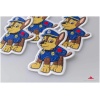
This is a single embroidered iron-on patch featuring Chase, the police pup from PAW Patrol. It measures 2.7 inches wide by 3.9 inches tall, which puts it in the sweet spot for a child’s jacket back, a backpack flap, or the front pocket area of a hoodie, big enough to be recognized across a playground, small enough that it doesn’t overwhelm a kids’ size 4T shirt. The patch is made by Embrosoft, a Canadian manufacturer that specializes in embroidered appliques, and it arrives as one piece ready to apply.
Parents usually come to a patch like this for one of two reasons. The first is repair: a knee blown out on jeans, a small tear on a favorite backpack, a stubborn stain on a jacket sleeve that no amount of washing will lift. A patch covers the damage and turns it into something the child actually likes better than the original. The second reason is personalization, making a plain school backpack, denim vest, or hand-me-down jacket feel like it belongs to this specific kid. If your child has picked Chase as their pup, this is a low-commitment way to put that on something they wear every day.
The listed age range is all age groups, which is accurate in a practical sense: the patch itself has no small parts once applied, and adults sew or iron patches onto their own gear as often as they do onto their children’s. That said, the application step involves a hot iron and should always be done by an adult. Once it’s on, the patch is simply part of the garment.
Design and Construction Details
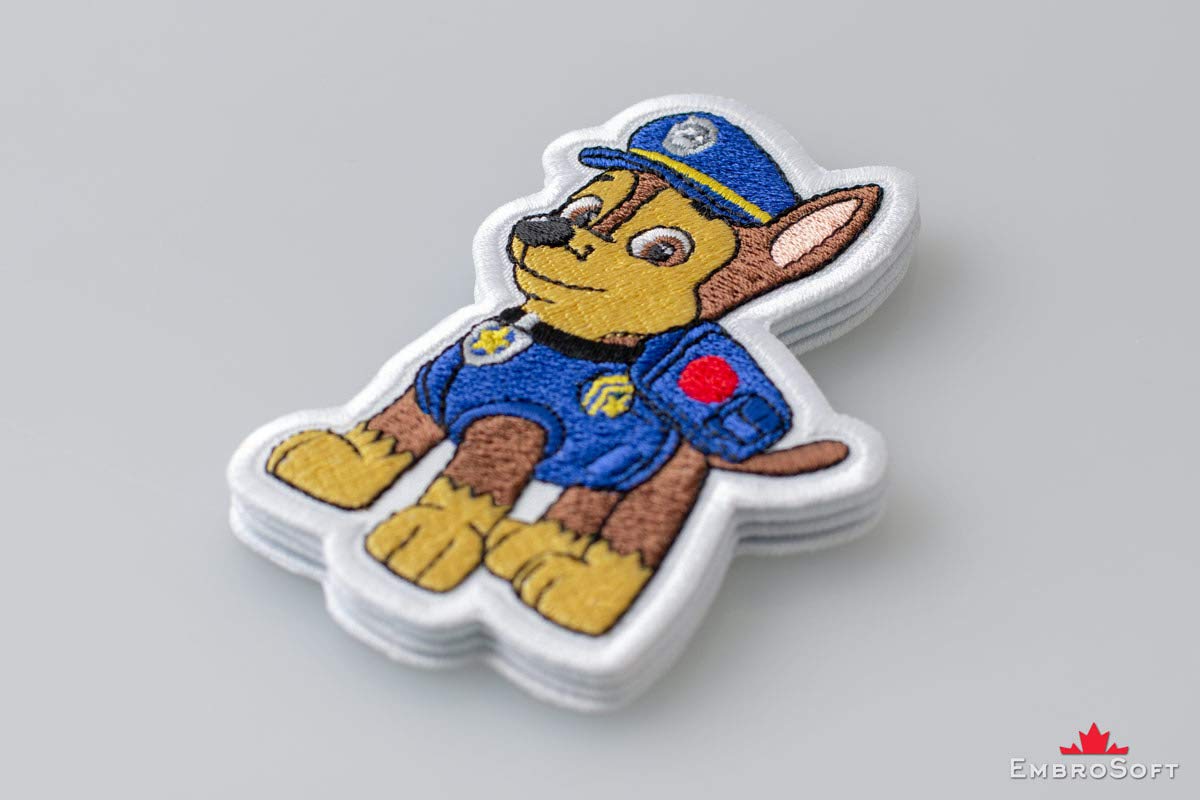
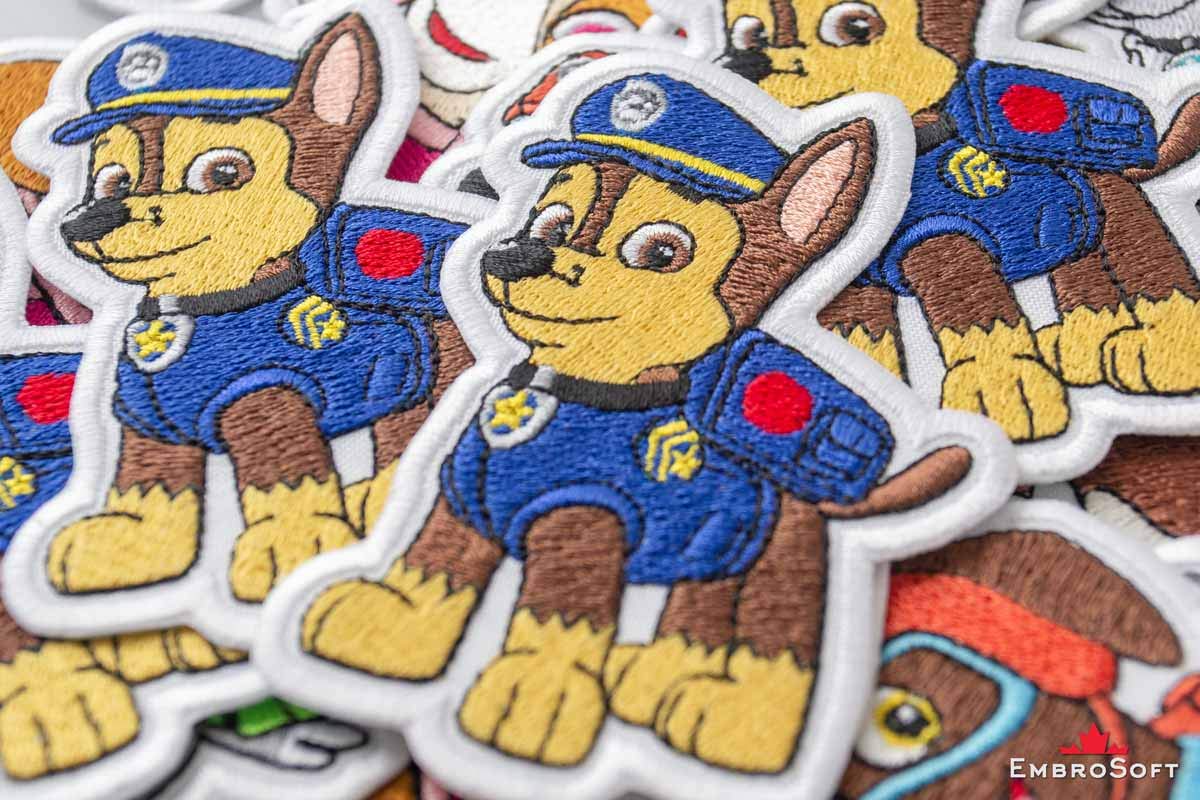
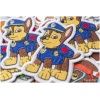
The artwork shows Chase in his familiar German Shepherd colors, brown and tan fur with the dark markings around his eyes and muzzle, rendered in dense embroidery thread rather than printed on fabric. Embroidery means the image is built from stitches, so the colors sit slightly raised off the backing and catch the light the way a woven badge does. Printed transfers tend to crack and fade after a dozen wash cycles; stitched thread holds its color considerably longer because the color is in the fiber itself, not sitting on top of it.
The edges are finished with a merrowed or satin-stitch border, the tight raised outline you see on scout badges and uniform insignia. This border does real work: it locks the outer stitches down so the patch can’t unravel from the perimeter, and it gives the shape a clean silhouette against whatever fabric it’s applied to. The back carries a heat-activated adhesive layer that melts under an iron and bonds into the fibers of the receiving garment.
At 2.7 by 3.9 inches, the proportions are vertical, which suits a standing character figure. Practically speaking, this means it lays well on surfaces that are taller than they are wide, a jacket back panel, the vertical face of a backpack, a pant leg, a tote bag. On a narrow area like a sleeve or a small pocket, measure first; nearly four inches of height is more than some toddler sleeves can accommodate without wrapping around the seam.
The model number is 5390, and the item ships as a single count. There is no hardware, no hook-and-loop backing, and nothing to assemble, it’s one flat piece of stitched fabric with adhesive on the reverse.
How to Apply It and Where It Works
Application is straightforward but rewards a little patience. Set a dry iron to a medium-high cotton setting with steam turned off, steam interferes with the adhesive bond. Place the patch where you want it, cover it with a thin cotton cloth or a piece of parchment paper so the iron never touches the embroidery directly, and press firmly for roughly 30 to 45 seconds without sliding the iron around. Let the area cool completely, then check an edge with a fingernail. If a corner lifts, cover and press again for another 15 seconds.
The adhesive bonds best to natural, tightly woven fabrics: cotton tees, denim jeans and jackets, canvas backpacks and tote bags, cotton twill hats. It bonds less reliably to nylon, waterproof shells, fleece, leather, and heavily stretchy knits, some of those materials also can’t take the iron heat safely. For those surfaces, and for anything that will be washed constantly or dragged across playground gravel, the durable answer is to iron the patch on for placement and then add a running stitch around the merrowed border by hand or machine. Thread through the outer border, not through the middle of the design. Twenty minutes of stitching turns a good bond into a permanent one, and it’s the single best thing you can do to keep the patch on a backpack that gets thrown into a cubby every day.
Common placements that work well: the back panel of a denim jacket, the front pocket of a hoodie, the flap of a school backpack, a canvas library or lunch tote, the leg of jeans over a worn knee, or a plain pillowcase for a bedroom. Some families keep a small collection going on one jacket or a felt banner, adding a pup at a time.
Durability, Care, and Safety Notes
Once properly applied, and especially once secured with a few stitches, the patch handles normal kid use and machine washing. To extend its life, wash the garment inside out in cool or warm water rather than hot, use a gentle cycle when convenient, and either tumble dry low or hang dry. High dryer heat is the main thing that softens adhesive over repeated cycles and starts corners lifting. Skip bleach, which dulls embroidery thread color, and don’t iron directly over the face of the patch when pressing the garment later; if you need to press that area, flip the garment inside out or use a cloth barrier.
On safety: the application process involves a hot iron and should be handled entirely by an adult, with children kept clear of the ironing area. Once the patch is on and cooled, it presents no small-parts concern, since it’s a flat fabric piece fused to the garment. For toddlers and children under three, sewing the border down rather than relying on adhesive alone is the sensible choice, a partially lifted patch on a shirt a young child wears is a corner they will pick at, and a securely stitched one removes the question entirely.
Because this is a fabric applique with no electronics, batteries, or moving parts, there’s nothing to charge, replace, or break. If it eventually wears out after years of washing, it comes off with heat and a bit of careful lifting, though the adhesive residue may need a solvent to fully clear.
Chase and the PAW Patrol World
Chase is the police and traffic-control pup of the PAW Patrol team, and for a lot of kids he’s the entry point to the whole show. His role, directing traffic, using his megaphone, keeping order when something goes sideways in Adventure Bay, makes him the character children gravitate toward when they’re drawn to rules, helping, and being the one who knows what to do. In the series he works alongside Marshall the firefighter dalmatian, Skye the aviator cockapoo, Rubble the construction bulldog, Rocky the recycling pup, Zuma the water-rescue lab, and later additions like Everest, Tracker, and Liberty, all coordinated by Ryder.
The show’s core idea is that every pup has a specific job and the team only works when everyone does theirs. That’s part of why a single-character patch resonates: kids don’t just like PAW Patrol generally, they pick a pup and identify with what that pup does. A child who chose Chase has usually chosen the helper-and-organizer role, and wearing that on a jacket is a small way of claiming it.
Practically, the character-specific format also makes these patches collectible in a natural way. Families often start with the pup their child names first and add others over time, a second patch when a sibling picks Marshall, a third when the child discovers Skye. On a denim jacket or a felt wall banner, a growing lineup of pups becomes its own small project. Whether you use this one to fix a torn knee or simply to make a plain backpack feel like your child’s own, it puts a recognizable piece of Adventure Bay on something they already carry every day.