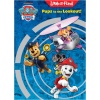
What This Book Is and Who It’s For
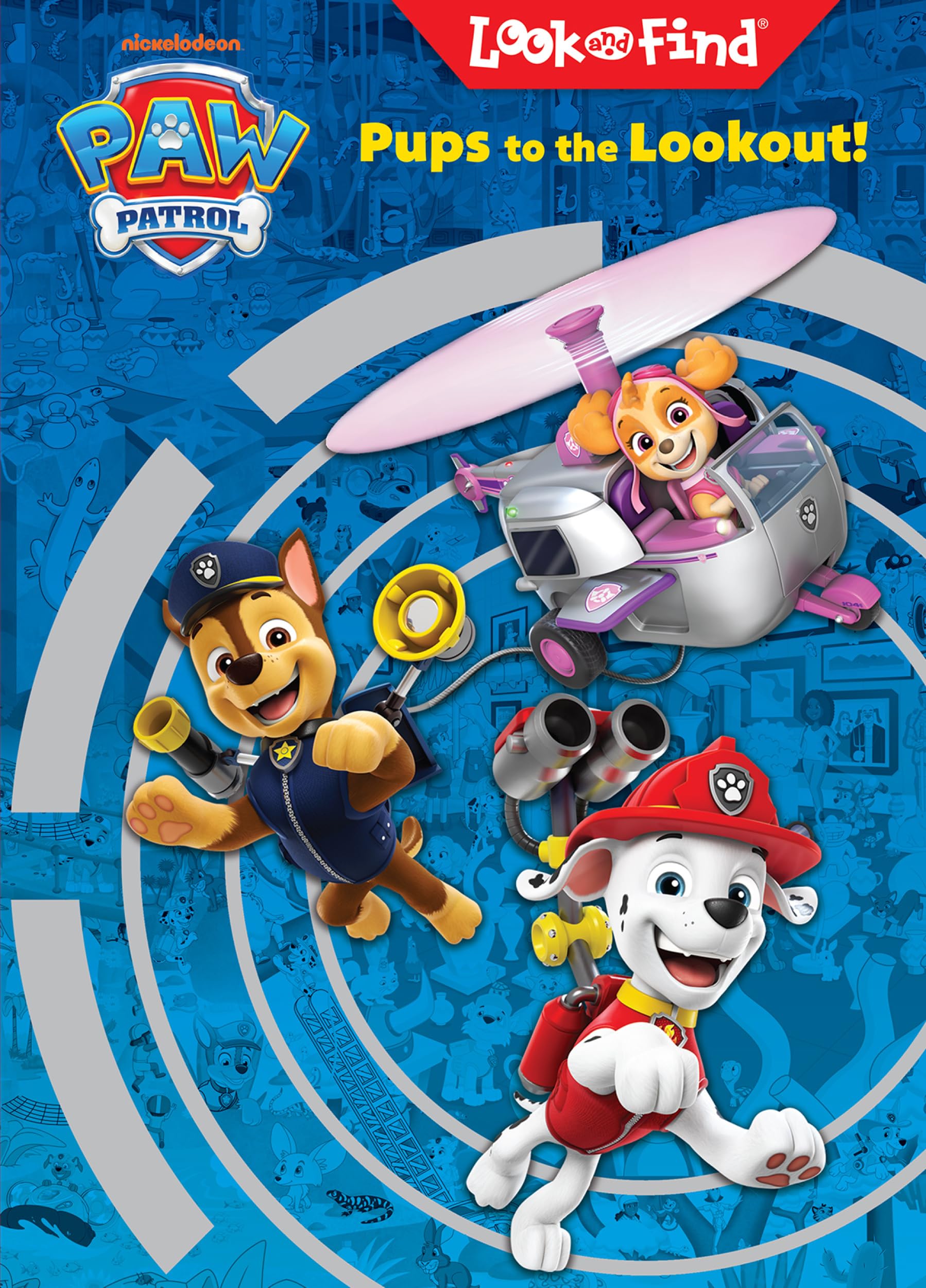
This is a look-and-find activity book starring the PAW Patrol pups, published by PI Kids. Across 24 pages, your child searches busy, illustrated scenes for hidden characters and objects, working from a picture checklist along the edge of each spread. It is the kind of book that turns a five-minute wait into something absorbing, and it asks nothing of a child beyond looking closely and pointing.
The reading age is listed as 3 to 6 years, which lines up with what the format actually requires. A three-year-old who cannot read yet can still play, because the items to find are shown as small pictures rather than words alone. A five- or six-year-old who is starting to sound out simple labels gets a second layer: matching the printed word to the picture and then to the scene. That range makes it a book with a genuine shelf life rather than one your child ages out of in a month.
It suits families already familiar with the show, but it does not require it. The scenes carry enough visual interest on their own, vehicles, buildings, animals, small background jokes, that a child meeting Chase and Marshall for the first time can still play the game. For families who do know Adventure Bay, the recognition is half the pleasure.
Characters, Scenes and How the Pages Are Built
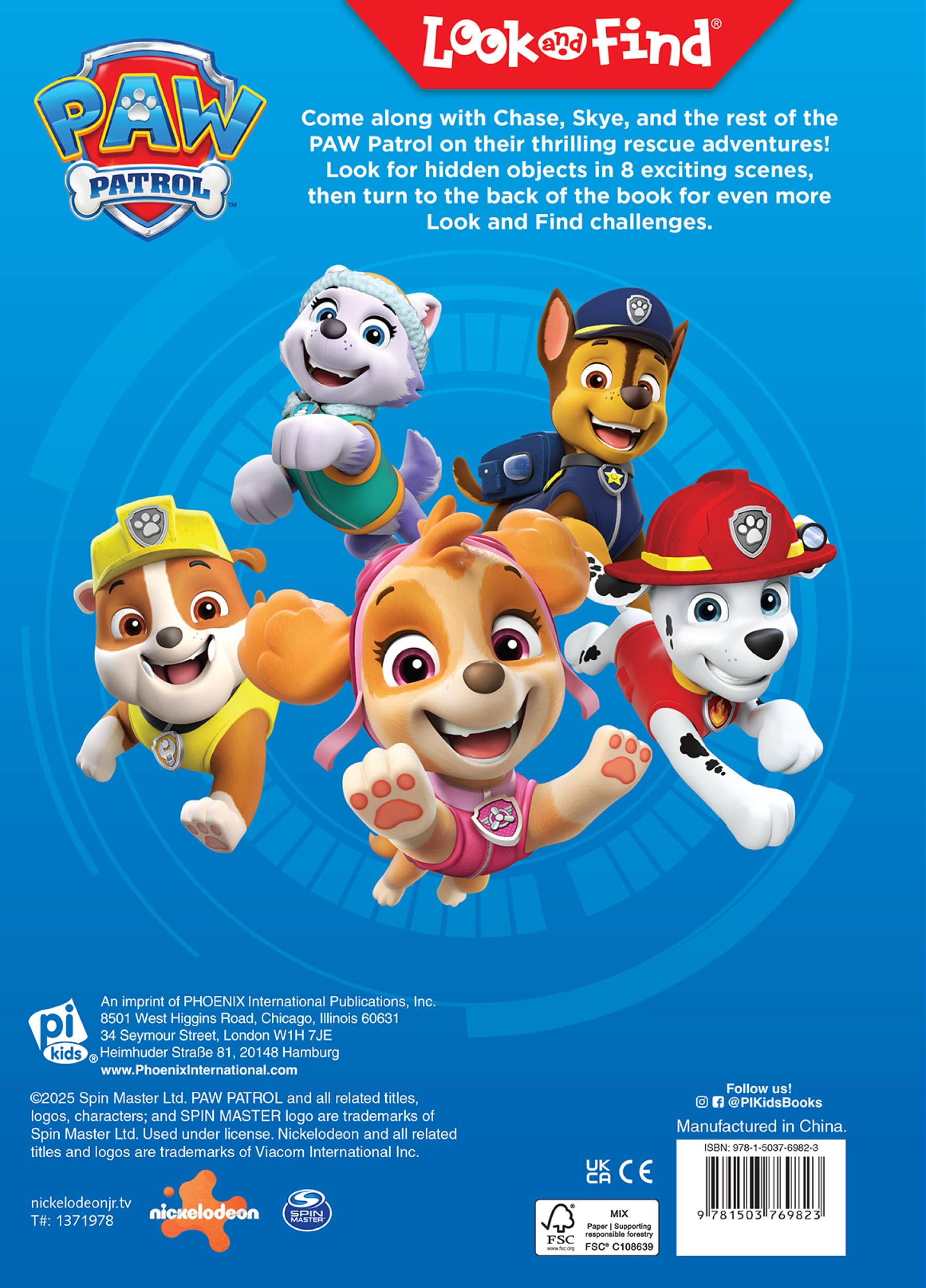
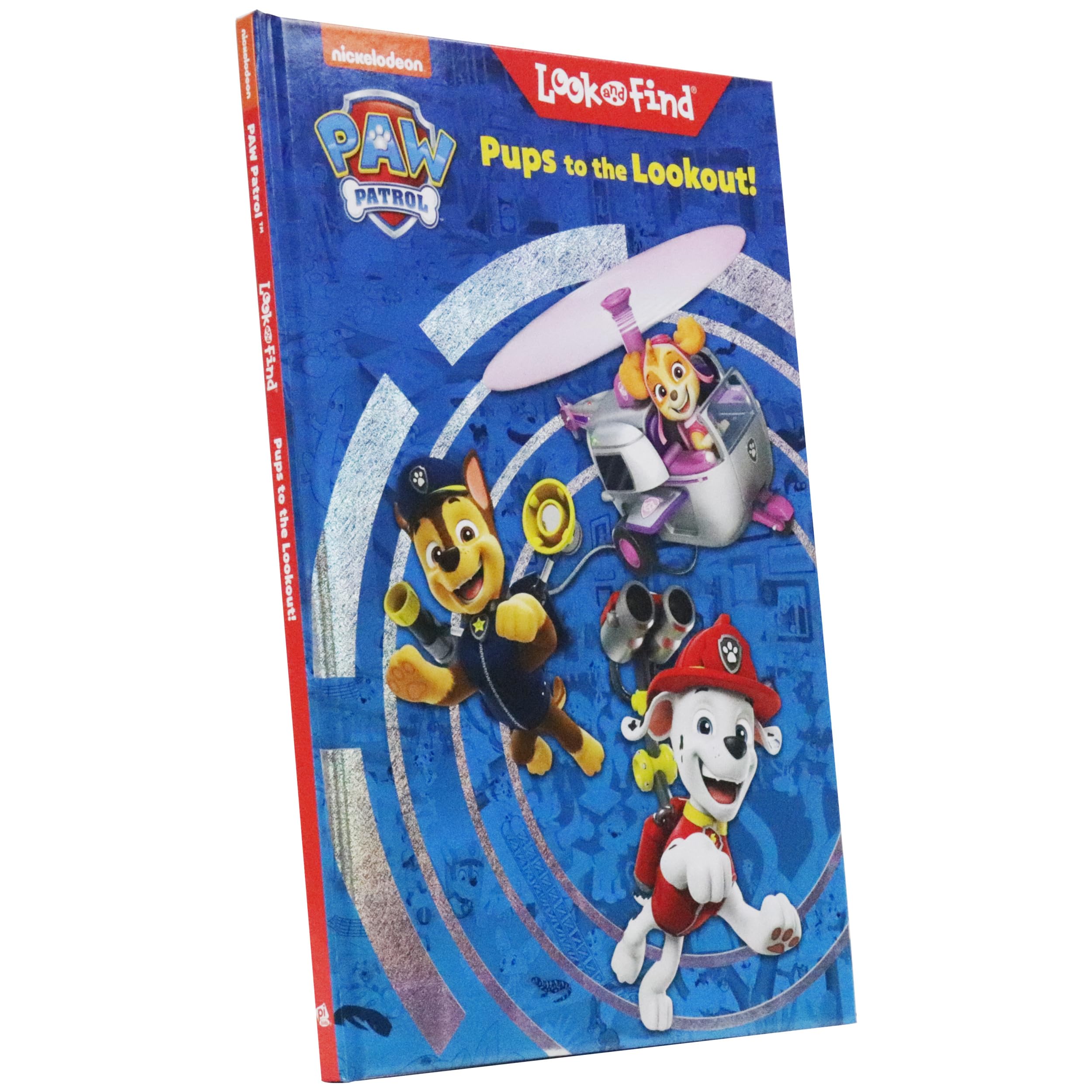
Chase, Skye, Marshall and the rest of the team appear throughout, along with the settings that go with them: the Lookout tower, the streets and shoreline of Adventure Bay, and the vehicles each pup drives. The title points to the Lookout as the anchor, and the book uses the show’s familiar locations as the backdrop for each search.
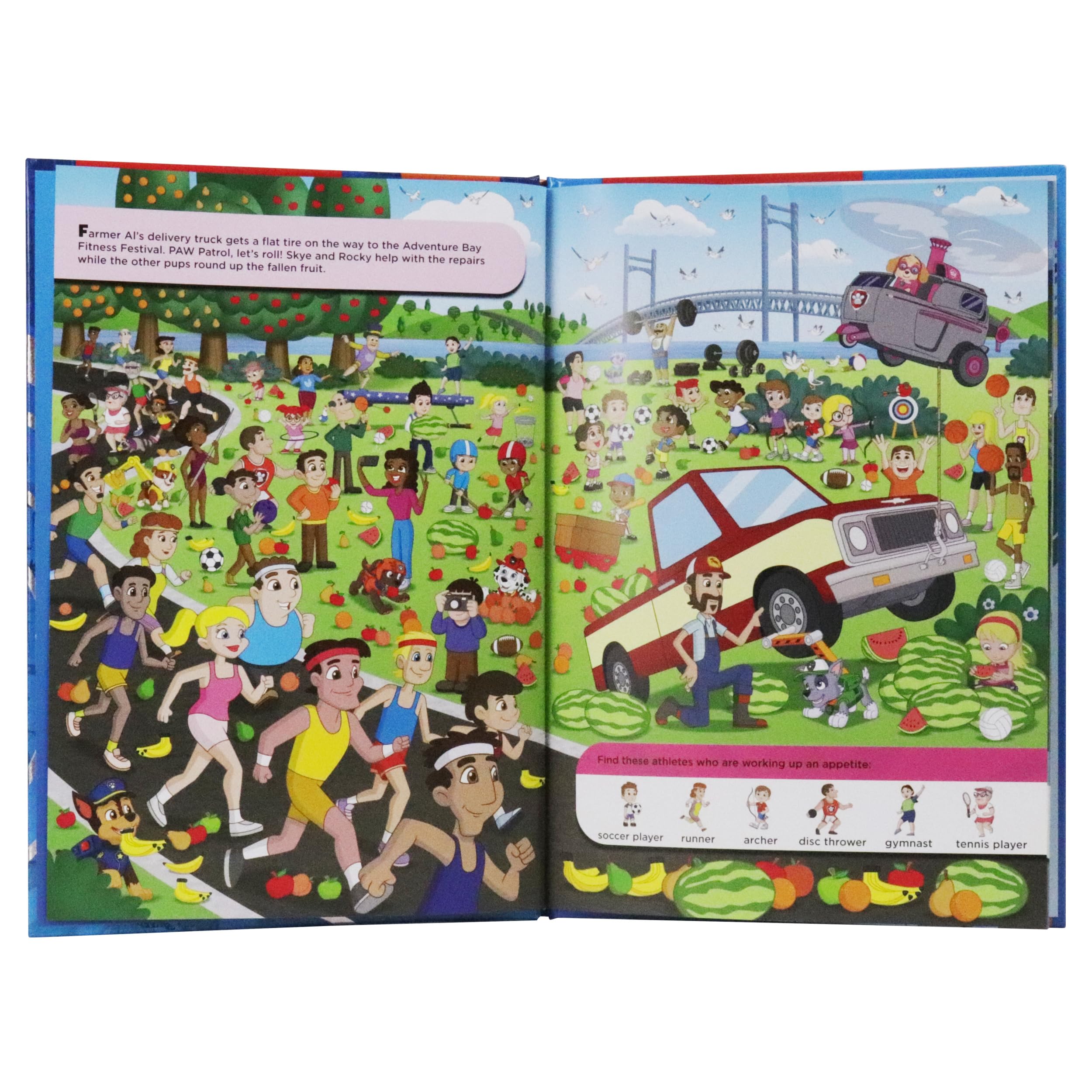
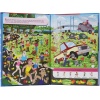
The layout follows the standard look-and-find structure, which is worth understanding before you buy. Each spread is a single large scene, densely illustrated and packed with detail. Along one side sits a list of things to find within that scene, a specific pup, a piece of equipment, a background object, sometimes several copies of the same small item. Your child scans, spots, and moves down the list. There is no time pressure, no scoring, and no wrong answer that ends the game.
At 7.5 by 10.6 inches, the pages are large enough that the scenes have room to breathe. Detail-dense illustration only works if the art is printed big enough for small eyes to parse, and this trim size handles that. Two children can sit on either side of an open book and both see the whole spread, which matters more than it sounds, sibling pairs tend to play this format together, one calling out and the other pointing.
The book runs 24 pages and weighs 10.4 ounces, with a spine about 0.3 inches thick. It is substantial in the hand without being heavy for a preschooler to carry, and it lies reasonably flat on a table or a lap.
How Children Actually Use It
Search-and-find books earn their place through repetition. Unlike a story, which loses its surprise after several readings, a hidden-object scene stays playable because the child forgets where things were, races themselves to find them faster, or invents new rules, find everything red, find every pup, find things in reverse order. Parents often report this format outlasting books that cost considerably more.
The practical uses are the obvious ones. It travels well: no small pieces to lose under a car seat, nothing that needs batteries, nothing that makes noise in a waiting room. It works in restaurants, on planes, in the pediatrician’s office, and during the stretch of a long afternoon when screen time has already been spent. Because a child can play alone, it also buys you the twenty quiet minutes you need to make dinner, though it works just as well as a shared activity, with an adult reading the find-list aloud while the child searches.
There is real developmental value in the format, without needing to oversell it. Visual discrimination, sustained attention, and systematic scanning are all genuine skills, and looking for a specific pup in a crowded scene practices all three. Children also build vocabulary by naming what they find, and pre-readers get comfortable associating printed words with the objects beside them. None of this feels like schoolwork to the child, which is precisely why it works.
It also gives children a way to talk about a show they love without watching it. If your household is trying to reduce screen time but does not want to take away the characters, a book like this is a useful bridge.
Durability, Safety and Age Notes
This is a paperback-format activity book, not a board book. The pages are paper and can crease, tear or wrinkle if a young child is rough with them or if a page gets turned by a fistful rather than a fingertip. For most children at the upper end of the age range, this is a non-issue. For a determined two-year-old, or for a child who still mouths paper, it is worth supervising or waiting a few months. The stated 3-and-up reading age reflects that reality.
There are no small parts, no batteries, no cords, and no removable components, so the usual toy hazards do not apply. The main care consideration is straightforward: keep it away from drinks and damp hands, and store it flat rather than crammed spine-down into a bin, which is what bends covers.
Because the pages are paper, it is easy to repair with clear tape if a corner does go. Many families keep one copy for home and treat a second as the car copy, accepting that the travel copy will accumulate honest wear.
The text is in English, and the find-lists use short, simple words paired with images, so an adult reader is helpful but not required for a child who recognizes the characters by sight.
Where It Fits in the PAW Patrol Universe
PAW Patrol works as a preschool property because it is built on a simple, repeatable idea: a team of pups with distinct jobs, distinct colors, and distinct vehicles, called into action from a tower overlooking their town. That structure is unusually well suited to a look-and-find book. Every character is visually unique, so a three-year-old can identify Marshall by his red fire gear or Skye by her pink helicopter without reading a single word.
The Lookout theme in the title is not incidental. In the show, the Lookout is where the team gathers before a mission, and using it as the frame for a searching game mirrors the way the pups themselves scan Adventure Bay for whoever needs help. The child does what the characters do, which is a small thing but the reason this format sits so naturally with this franchise.
This is officially licensed Nickelodeon material from PI Kids, a publisher that specializes in this exact format across children’s properties. The character designs match what your child sees on screen, so there is no jarring mismatch between the book version of Chase and the television version, something young children notice more than adults expect.
If your child already has PAW Patrol figures, plushies or vehicles, this slots in as the quiet, portable member of the collection. It is the one that goes in the bag rather than the toy box, and the one that works in the places where the vehicles cannot.