What These Slippers Are and Who They Suit
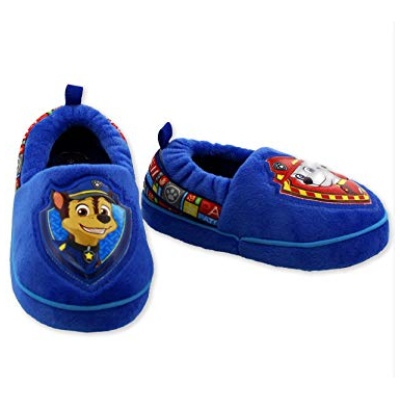
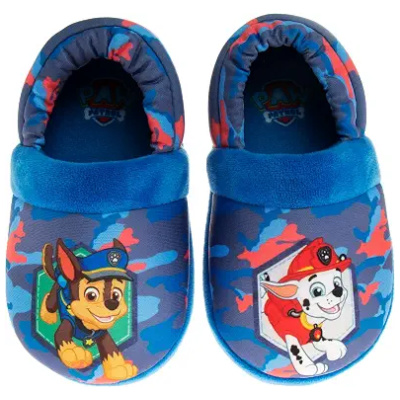
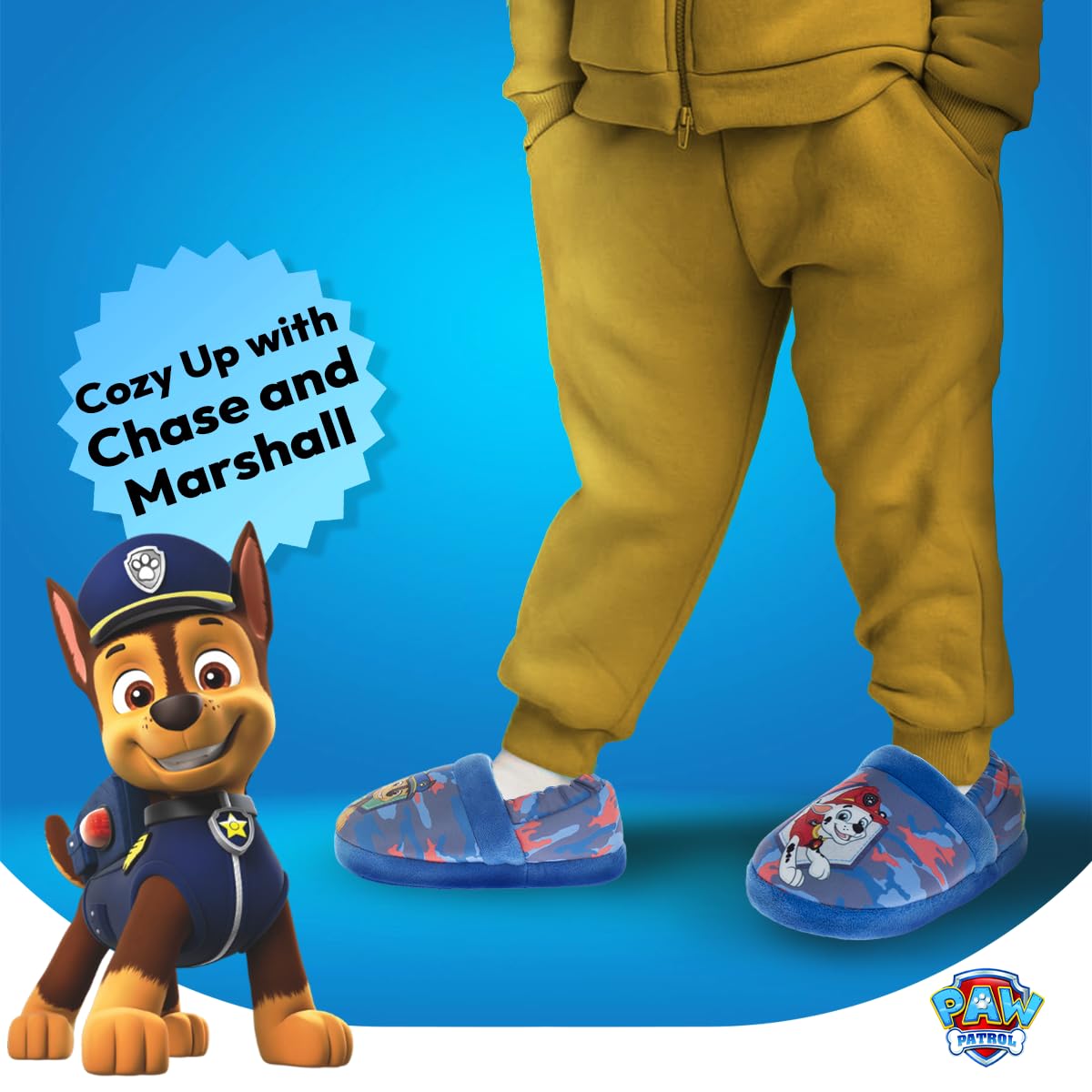
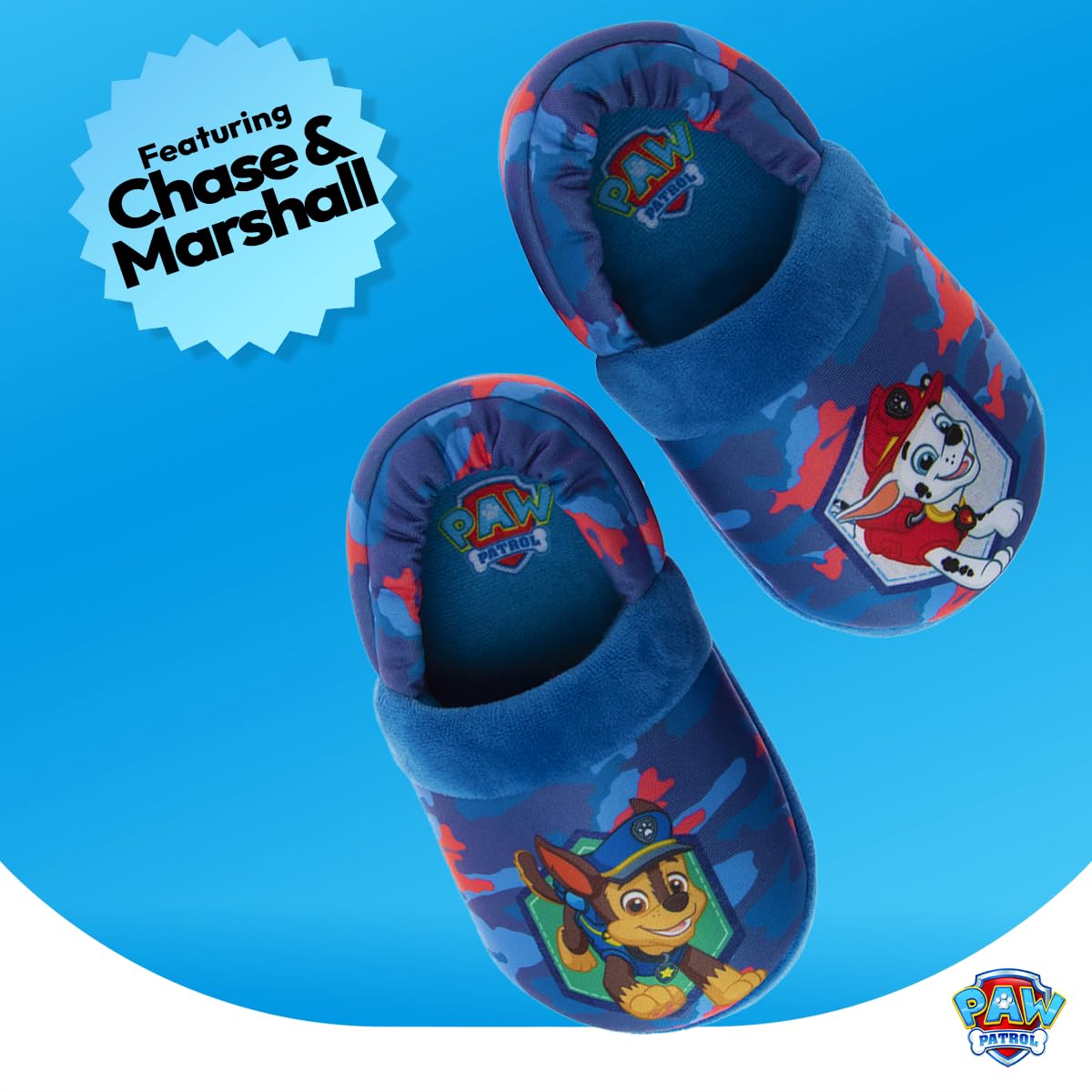
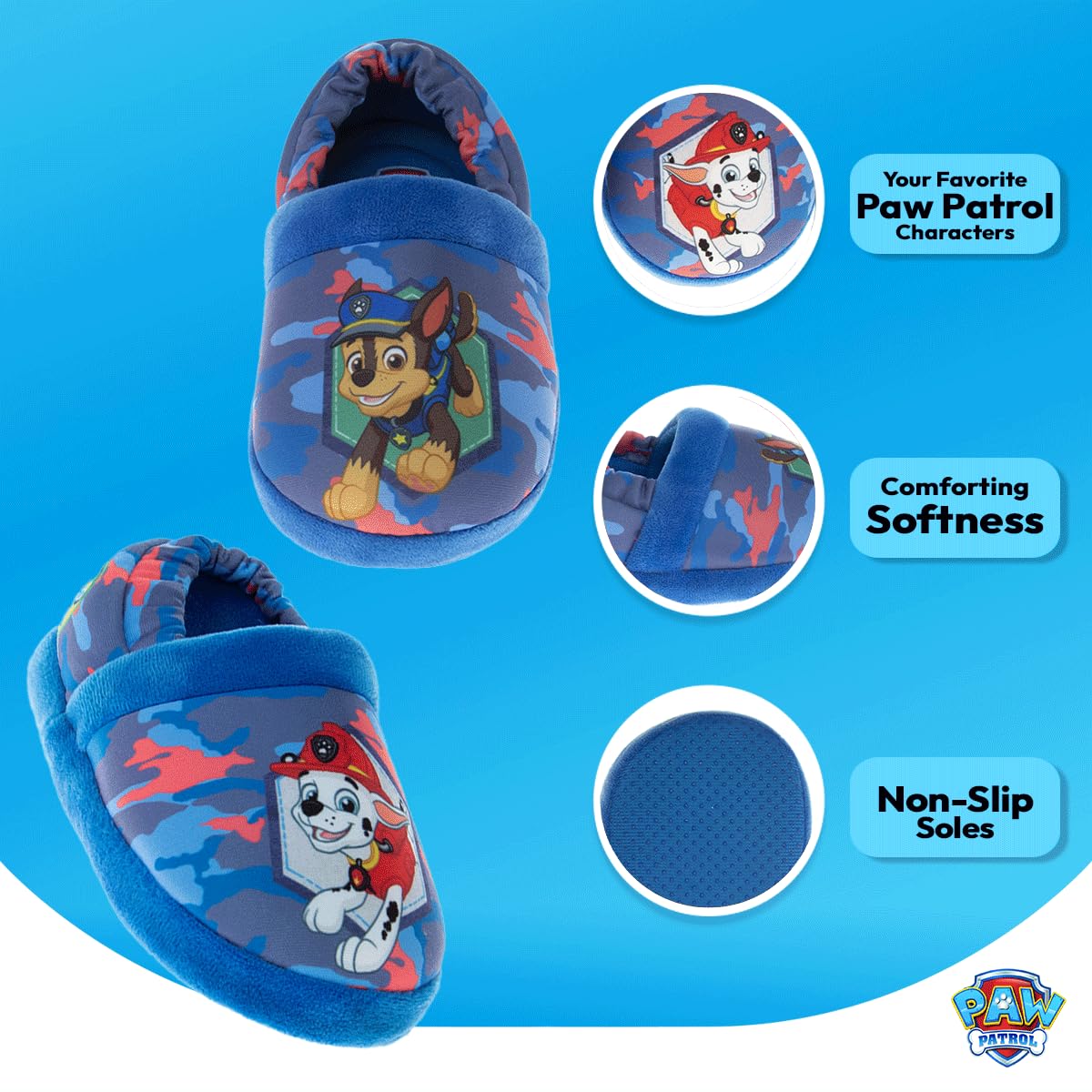
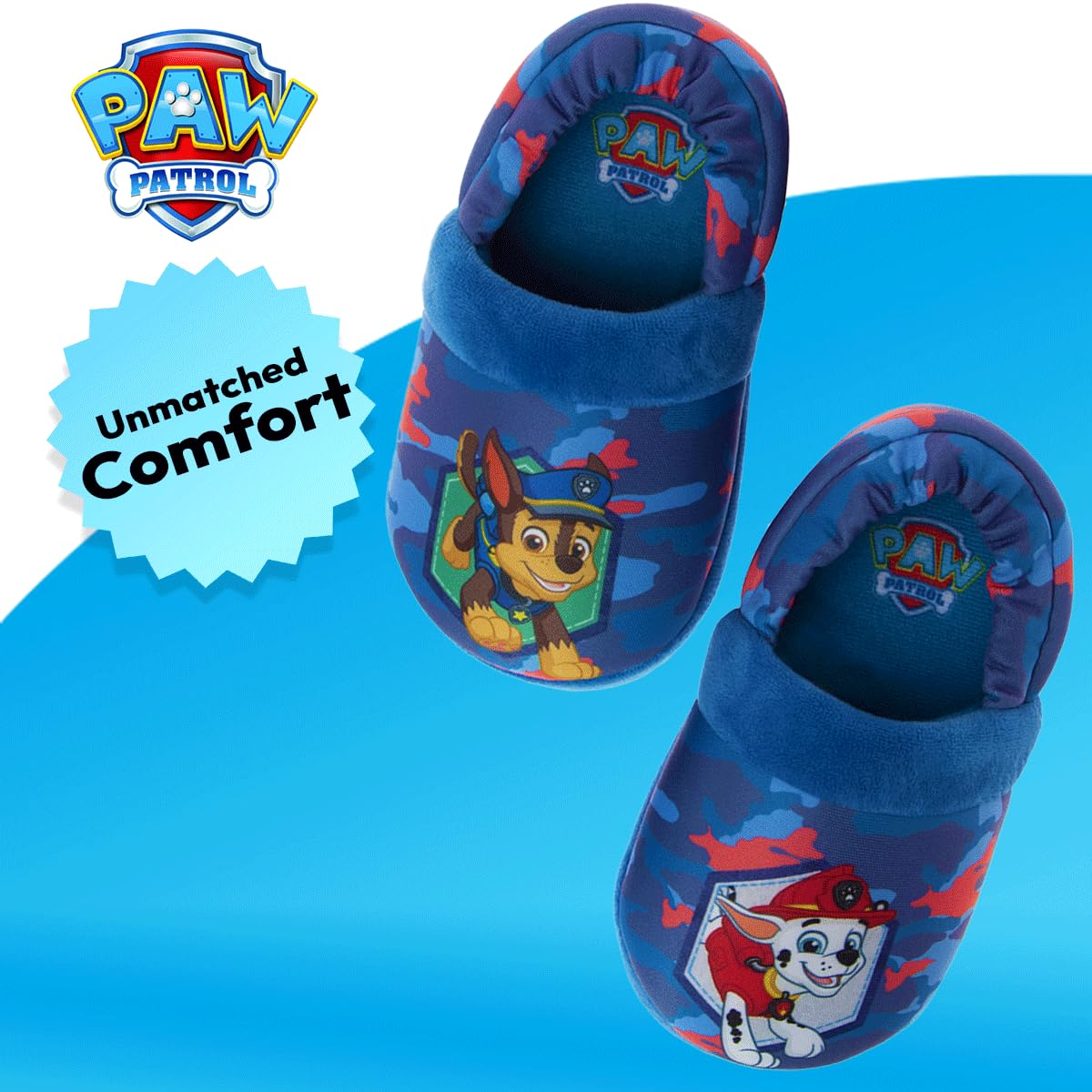
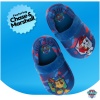
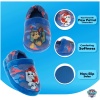
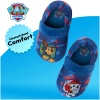
These are soft indoor house slippers built around the PAW Patrol theme, made for children who spend most of their day at home on carpet, hardwood, tile, or laminate. The construction is plush throughout, with a padded upper and a lined interior that holds warmth without feeling heavy on a small foot. The open-back sandal styling means a child steps in and goes, rather than sitting down to work a foot into a closed shoe.
The listing places these in the boys’ slippers category, though in practice they suit any child who likes the show and wants warm feet indoors. The typical wearer falls somewhere in the preschool through early elementary range, roughly ages two to eight, which is the same age band that watches the series most closely. Parents of children in that window tend to be looking for one specific thing: footwear a child will actually keep on.
That is the practical case for a themed slipper. A plain house shoe gets kicked under the couch within ten minutes. A slipper with a character a child already recognizes tends to stay on their feet, which means fewer cold toes in the morning and fewer socks lost between the bedroom and the kitchen. The theme is doing real work here, not just decorating the box.
With a 4.6 out of 5 star rating across more than 750 customer reviews and a position inside the top fifty of the boys’ slippers category, this is a product that has been through many households already. That volume of feedback is worth something when you are buying footwear for a child you cannot easily bring to a store for a fitting.
Design, Materials, and Construction
The upper is plush pile, the kind of napped fabric that stays soft after handling and gives a little under a child’s grip. It is the same family of material used in stuffed toys, which is part of why these read as comforting rather than merely functional. The interior lining continues that softness right down to the footbed, so there is no rough seam or stiff panel sitting against the skin.
The A-line silhouette widens gently from the toe toward the opening. That shape matters more than it sounds: young children have proportionally wider forefeet than adults, and a slipper that tapers too aggressively pinches the toes or gets rejected outright. The wider cut gives the foot room to spread naturally while a child stands, walks, and squats down to play on the floor.
The open-back sandal design removes the heel counter entirely. For a child still learning to dress themselves, this is the difference between independence and calling for help. They can push a foot in while standing, and pull it off with the other foot at the end of the day. It also means the slipper accommodates a growing foot for longer than a closed-back style, since length at the heel is not a hard limit.
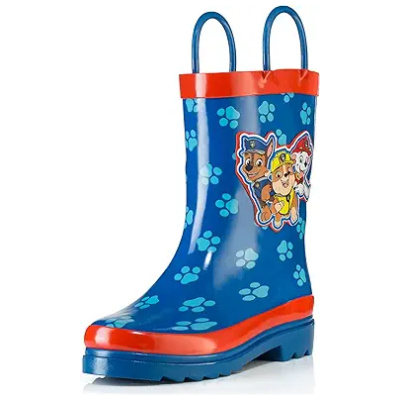
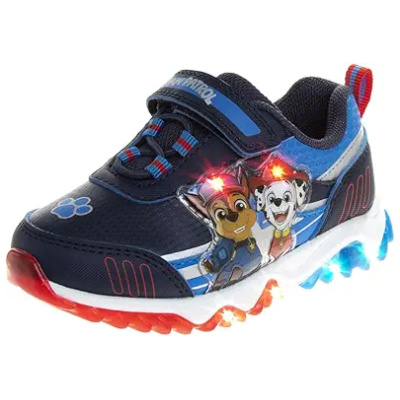
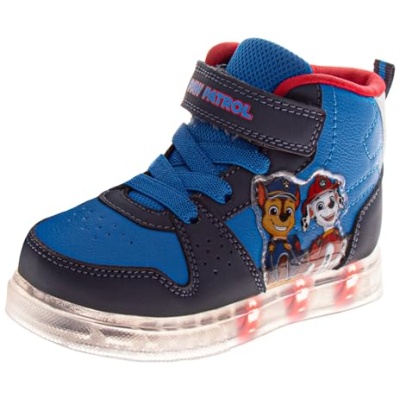
PAW Patrol detailing appears on the upper, drawing on the show’s rescue-pup cast and its bright, high-contrast color language. Children in this age group identify characters by silhouette and color long before they read names, so the visual cues are what make a slipper recognizably theirs when two pairs end up side by side in a hallway.
How They Fit Into a Child’s Day
Most families find a house slipper earns its place at two points in the day. The first is early morning, when a child wakes and pads out of a warm bed onto a cold floor. Having a pair parked beside the bed shortens the gap between waking and being ready for breakfast, and it removes one of the small friction points that turn school mornings difficult.
The second is the wind-down before bed. Changing into slippers after bath time functions as a signal, part of the sequence of pajamas, brushing teeth, and a story. Children respond well to routines they can see and touch, and a physical object they put on themselves marks the transition more clearly than a spoken instruction does.
Beyond that, they carry a practical benefit for the house. Outdoor shoes track in grit that scratches floors and dirt that ends up on the rug where a child plays. A dedicated indoor pair keeps that separation clean and simple, and gives children a clear rule to follow: outside shoes stop at the door, house shoes start there.
They also travel usefully. Sleepovers at a grandparent’s house, a hotel room with a cold bathroom floor, a weekend at a rental with unfamiliar tile, a hospital or clinic stay where a child needs something on their feet but nothing binding. A soft, light, open-back pair packs flat and takes up little room in an overnight bag.
Durability, Sizing, and Safety Notes
Children’s slippers work hard. They get worn daily, dragged along carpet, stepped on by siblings, and occasionally used as a puppet or a projectile. Plush uppers hold up well to that kind of handling because the pile has some give, but they do flatten over time in the areas that take the most pressure, particularly the footbed under the heel and ball of the foot. That is normal wear rather than a defect, and it is worth setting expectations that a slipper worn every day is a seasonal item, not a multi-year one.
On sizing, buy to the child’s current measured foot rather than guessing from their last pair. Measure at the end of the day, when feet are at their largest, and check the specific size chart on the listing rather than assuming it matches a sneaker size. Too large is the more common mistake and the more consequential one, since an oversized open-back slipper slides on the foot and becomes a trip hazard on stairs. A little growing room is fine; a full size up is not.
Stairs deserve a specific mention. Any backless footwear is less secure than a closed shoe going down a staircase, and plush soles offer limited grip on polished hardwood or tile. If your home has stairs or slick floors, it is worth a conversation with your child about holding the rail, and worth checking whether the sole has enough traction for your particular surfaces. Adult supervision is sensible for the youngest end of the age range.
For care, follow the label on the slipper itself, as plush and foam components often call for gentle handling and air drying. Machine heat can shrink the pile, stiffen the footbed, or warp the sole. Spot cleaning between full washes extends the life of the material considerably. Inspect them periodically for loosening decorative elements, particularly with younger children who still put things in their mouths, and retire a pair once the sole has worn smooth or the seams begin to open.
Why It Belongs in the PAW Patrol Universe
PAW Patrol is built on a simple, repeatable premise: a team of rescue pups, each with a job and a color, who show up when something goes wrong in Adventure Bay. Chase handles police and traffic work in blue, Marshall covers fire and medical in red, Skye flies in pink, Rubble digs in yellow, Rocky recycles in green, and Zuma runs water rescue in orange. The clarity of that system is why children as young as two can track who is who and what each one does.
Merchandise works best when it extends that logic rather than simply printing a face on an object. A house slipper fits the pattern honestly: the pups are characterized by their gear, and gear is something you put on before you go do something. A child stepping into their slippers before heading out to play is doing a small version of what the show does at the start of every episode.
There is a quieter benefit too. The series is fundamentally about helping, taking turns, and finishing a job you have started. Objects tied to those characters give parents an easy shorthand in the moment, whether that is a reminder about tidying up or a nudge toward getting dressed without a negotiation. Characters a child trusts carry a little more weight than instructions alone.
At pawpatrol-shop.com we stock items chosen for daily use rather than display, and indoor footwear is one of the clearest examples of that. These slippers pair naturally with a matching plush pup for the bedside, character pajamas, or a themed blanket, building an evening routine a child looks forward to instead of one they resist.