When Adventure Calls: The Plush Paw Patrol Chase with Flashlight Accessory
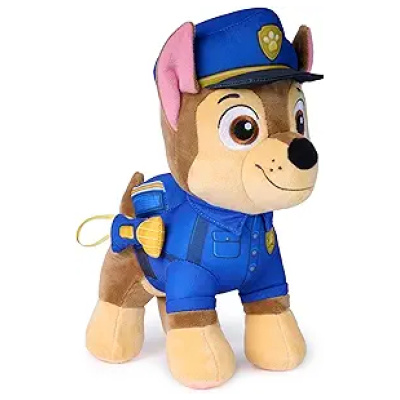
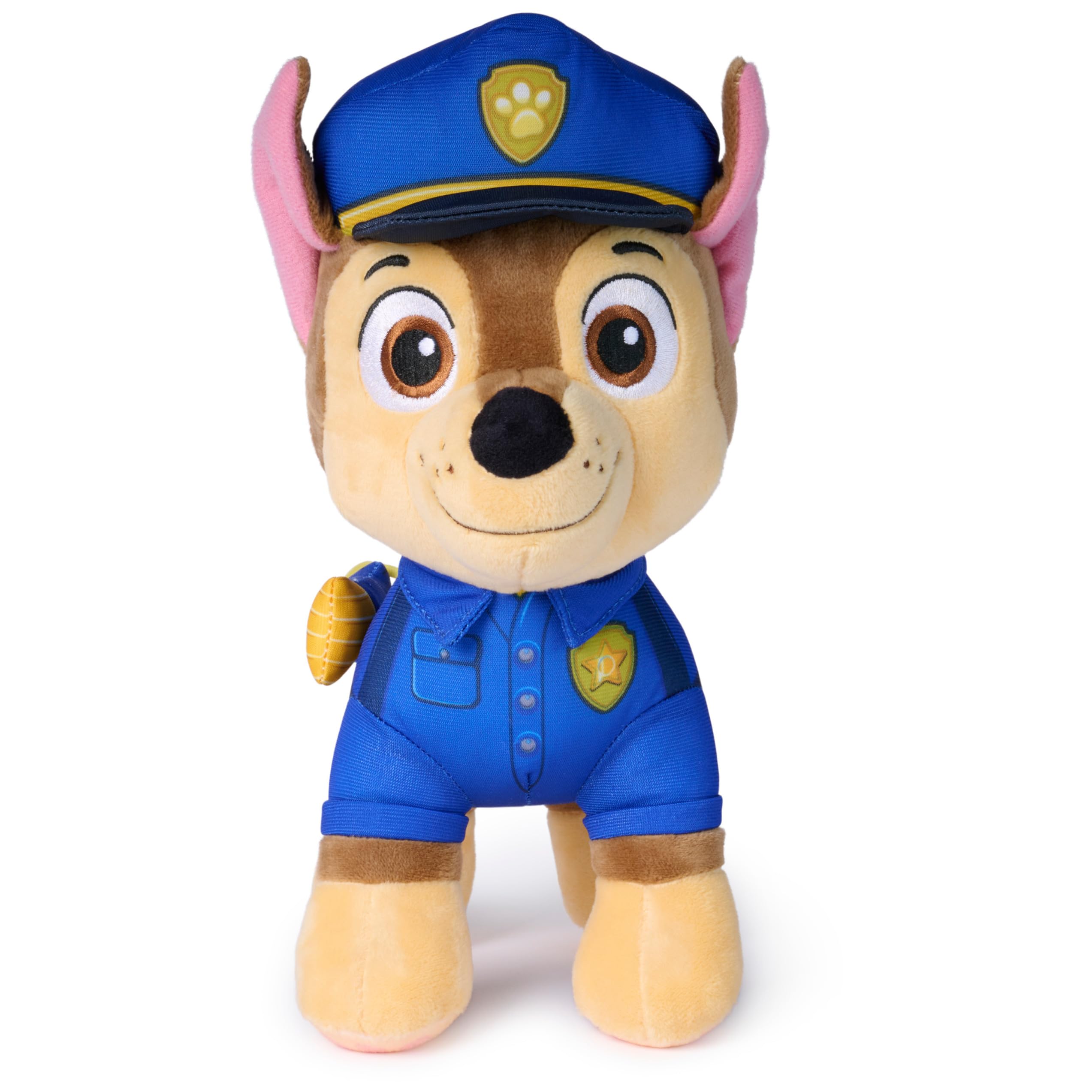
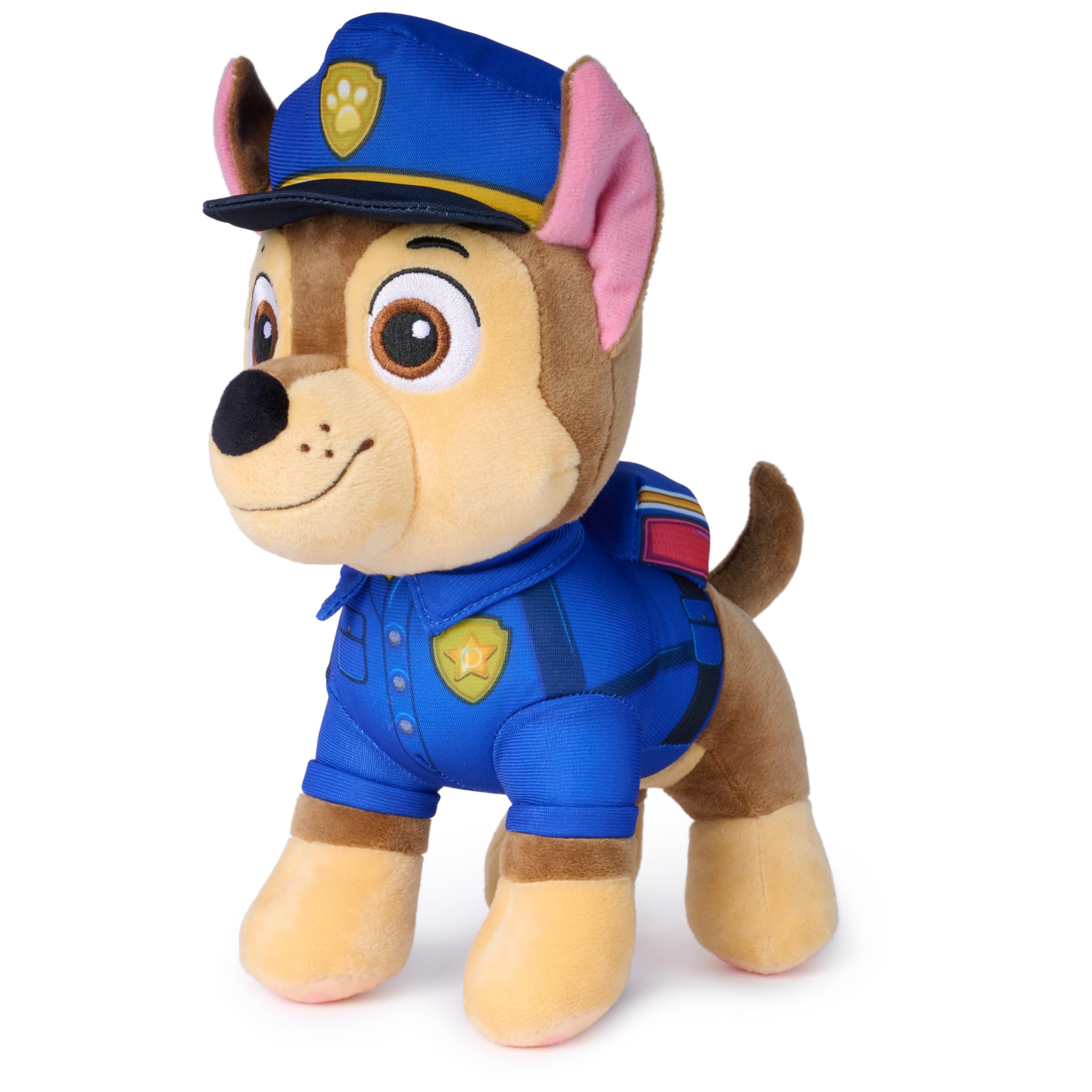
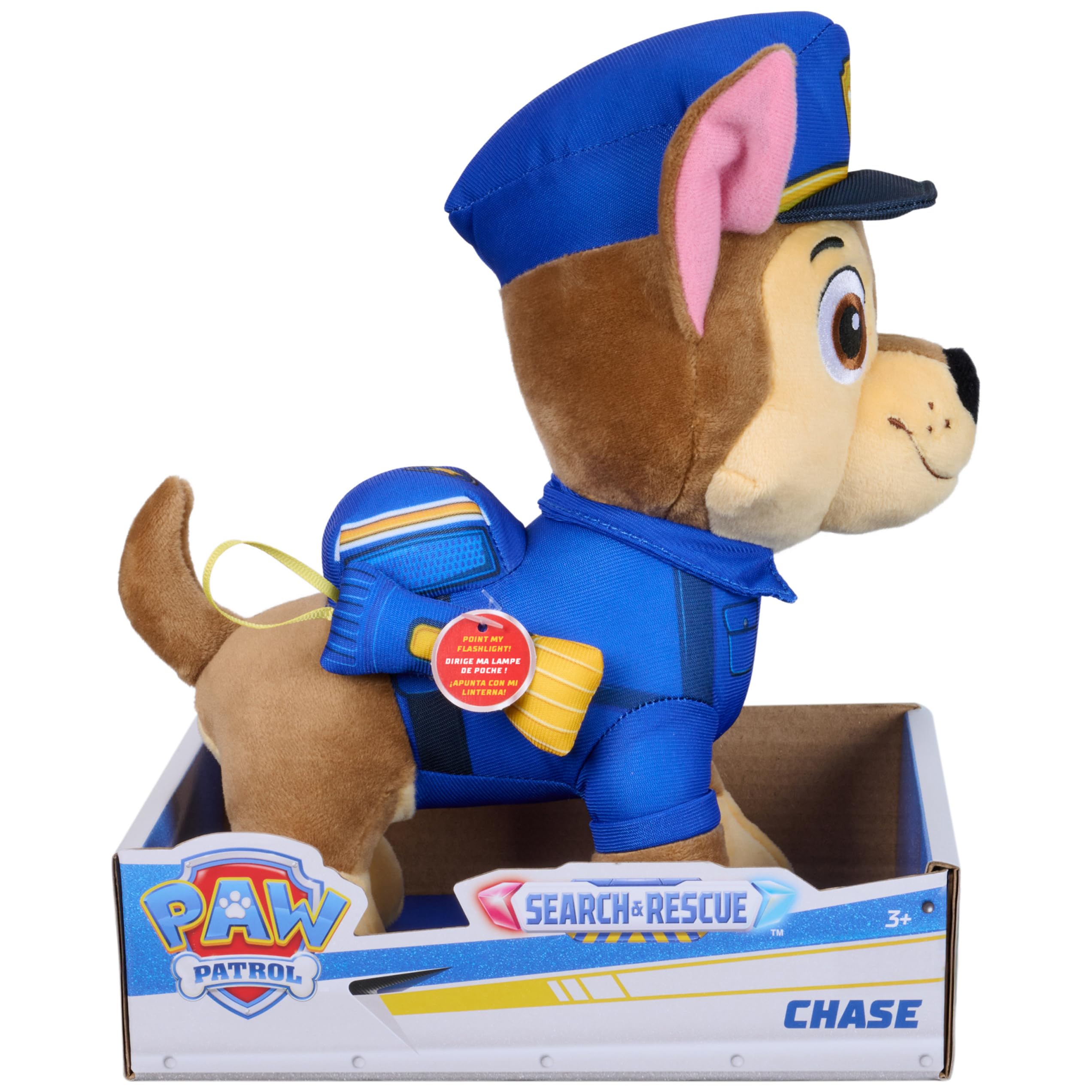
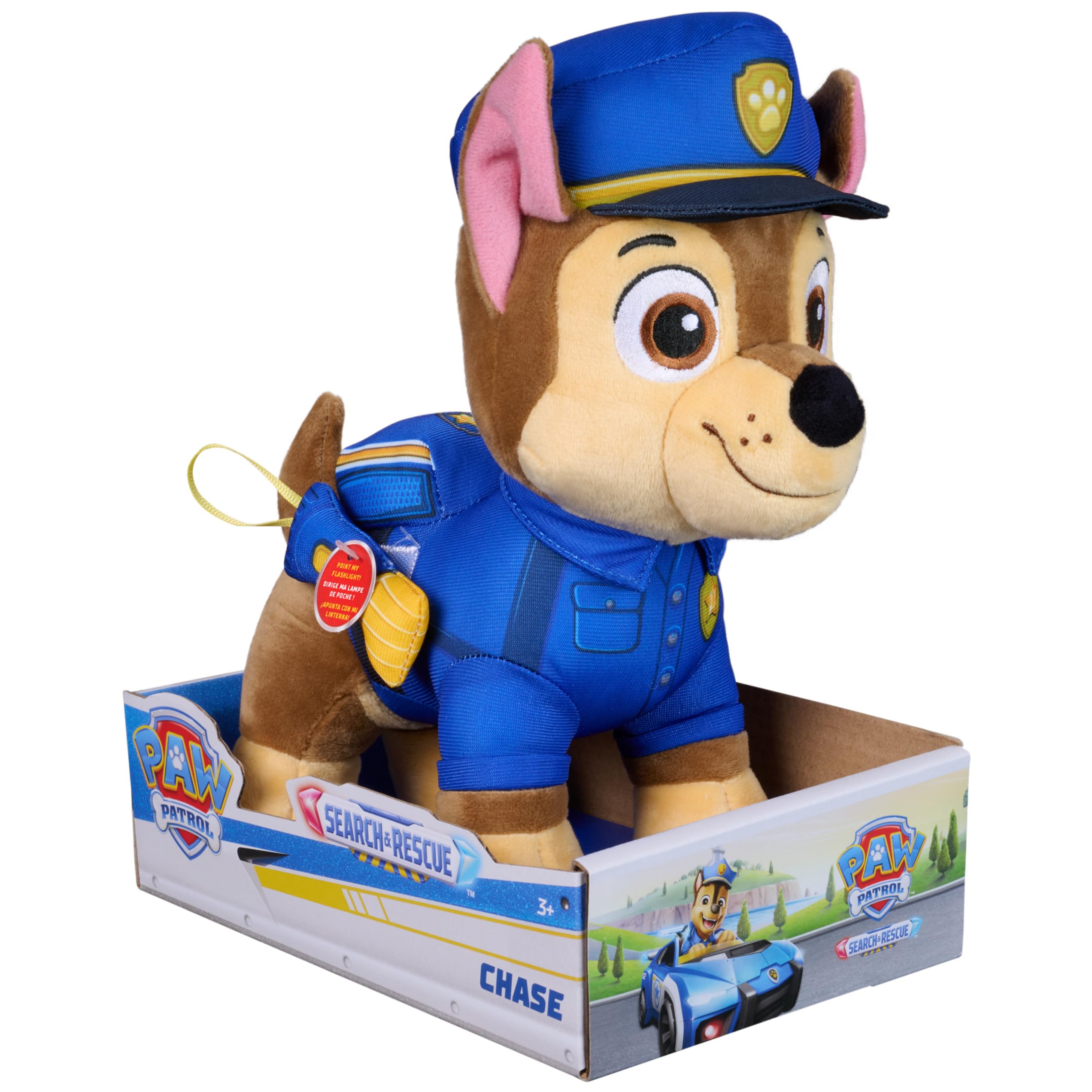
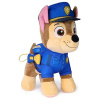
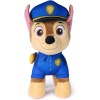
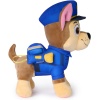
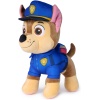
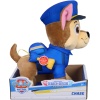
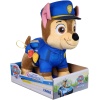
For parents of preschool-aged children, the transition from passive entertainment to active, imaginative play is a critical milestone. The Plush Paw Patrol Chase with Flashlight Accessory, designed by Spin Master, serves as a tangible bridge between the on-screen heroics of the PAW Patrol series and the everyday adventures of a child’s world. This 10-inch plush toy is not merely a soft companion; it is a carefully constructed tool for narrative play, problem-solving, and emotional development. The inclusion of a functional flashlight accessory transforms a standard stuffed animal into an interactive prop, encouraging children to engage in rescue missions, nighttime explorations, and collaborative storytelling. As a product intended for children aged 3 and up, it meets the developmental needs of this age group by combining tactile comfort with a simple, cause-and-effect mechanism. The plush itself is a faithful representation of Chase, the German Shepherd police pup, complete with his signature police hat and attentive expression. The fabric is soft to the touch, yet durable enough to withstand the enthusiastic handling of a young child. The flashlight, which is a separate, detachable component, is designed for small hands to grasp and activate, promoting fine motor skills and hand-eye coordination. This toy is not about passive observation; it is about active participation. It invites the child to step into the role of a rescuer, to plan missions, and to comfort their plush partner. The design philosophy here is rooted in the understanding that play is the primary vehicle for learning in early childhood. By providing a character that is both a friend and a tool, Spin Master has created a product that supports cognitive, social, and emotional growth without sacrificing the simple joy of a hug. The absence of complex electronics or overwhelming features ensures that the focus remains on the child’s imagination. This is a toy that respects the child’s ability to create their own narratives, using the flashlight as a catalyst for discovery and the plush as a constant, reassuring presence.
Anatomy of a Rescue Pup: Material and Construction Analysis
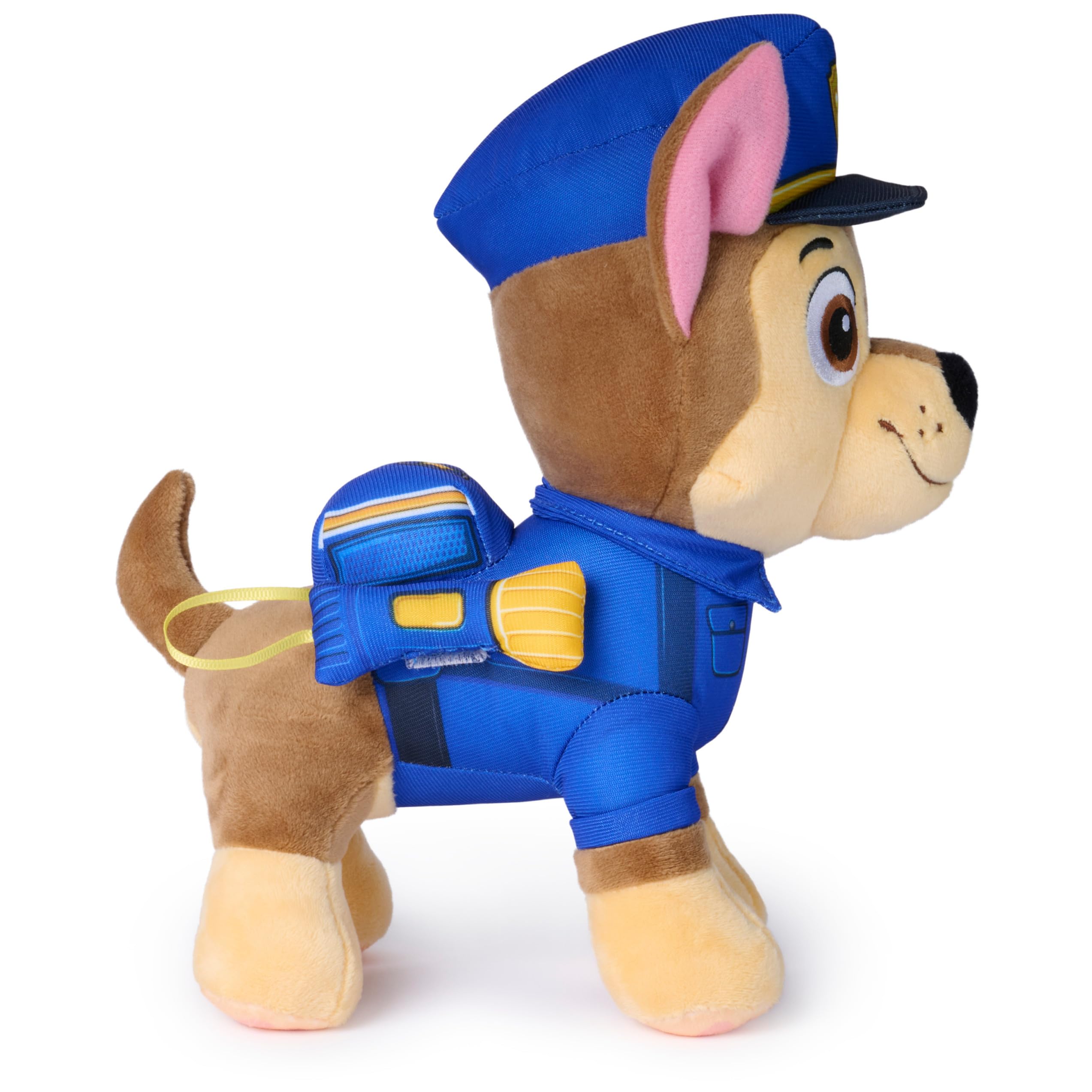
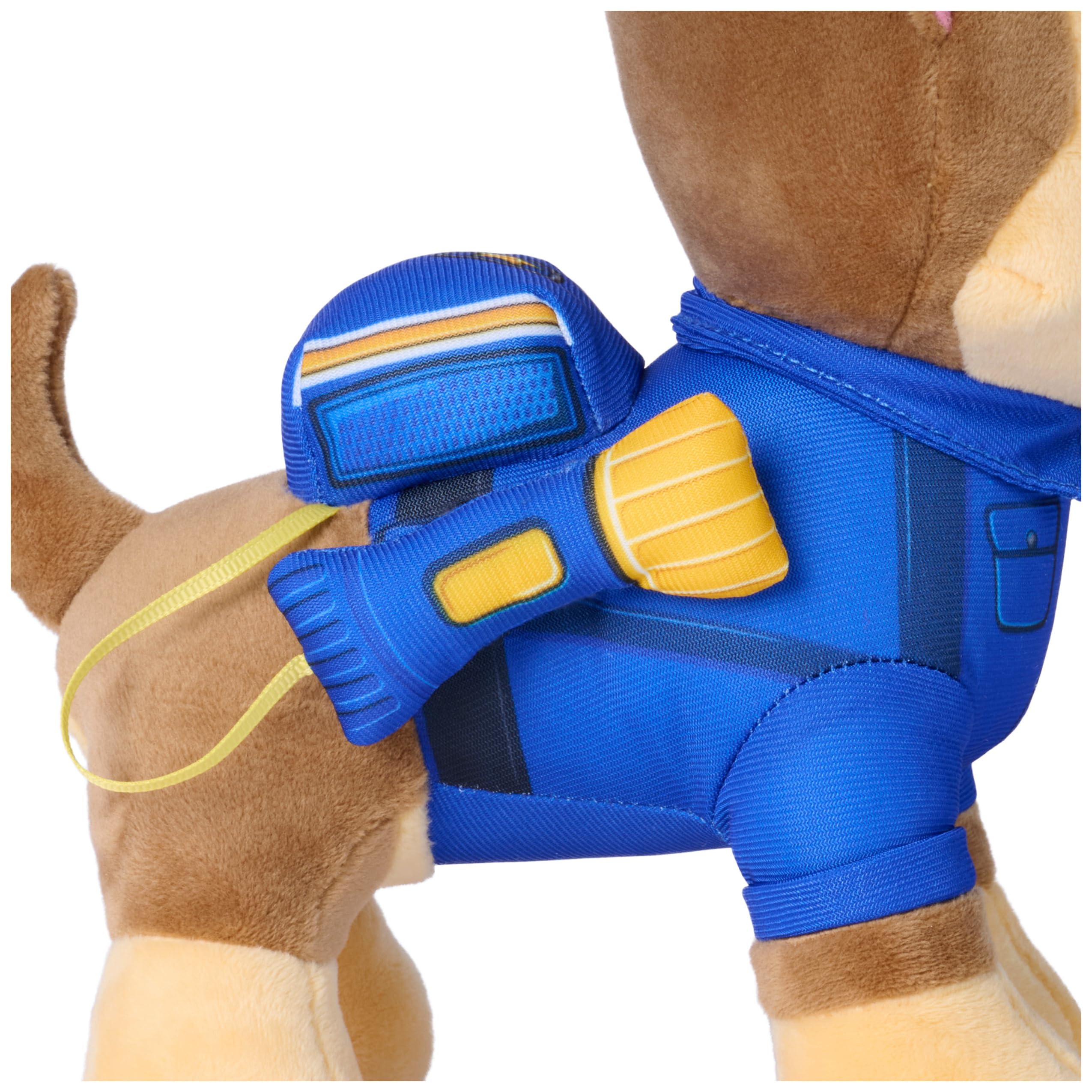
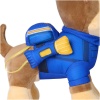
The physical construction of the Plush Paw Patrol Chase is a study in balancing softness with structural integrity. The outer shell is composed of a high-pile polyester plush fabric, chosen for its velvety texture and resistance to pilling. This material is non-toxic and meets the stringent safety standards required for toys intended for children over 36 months. The stitching is reinforced at stress points, particularly around the limbs and the neck, where a child’s grip is most likely to apply pressure. The internal filling is a hypoallergenic polyester fiberfill, which provides a consistent, huggable density without being overly firm. This filling is evenly distributed to prevent clumping, ensuring that the toy maintains its shape over time. The facial features are embroidered, not glued or applied as plastic pieces, which eliminates the risk of choking hazards and ensures longevity. The eyes are stitched with a tight, dark thread, creating a clear, expressive gaze that is recognizable as Chase. The police hat is a separate piece of fabric, sewn onto the head, with a small brim that is stiffened slightly to hold its shape. The flashlight accessory is made from a hard, impact-resistant ABS plastic. It features a simple push-button mechanism that activates a single, bright white LED. The battery compartment is secured with a screw, requiring a tool for access, which prevents a child from accessing the batteries. The flashlight is designed to be held independently or clipped to the plush’s paw via a small, integrated loop. This dual functionality is a deliberate design choice: it allows the child to use the flashlight as a separate tool for exploration or to keep it attached to the toy for a more integrated play experience. The overall dimensions, 10 inches in height, are ideal for a preschooler’s arms, allowing for easy carrying and cuddling. The weight is balanced, with the majority of the mass in the torso, preventing the toy from toppling over when placed upright. The color saturation is consistent, with the blue uniform and brown paws matching the character’s on-screen appearance. This attention to detail is not merely aesthetic; it reinforces the child’s connection to the character and the narrative world of the PAW Patrol.
Functional Play: How the Flashlight Facilitates Cognitive and Motor Skill Development
The flashlight accessory is the defining feature of this plush toy, elevating it from a simple comfort object to an interactive learning tool. The mechanism is straightforward: a single press of the button activates the LED, and another press turns it off. This cause-and-effect relationship is a fundamental cognitive concept for a 3-year-old. By repeatedly pressing the button, the child learns that their action produces a predictable result, reinforcing their sense of agency and control over their environment. The light itself is a cool white LED, which is bright enough to illuminate a small area but not so intense as to be uncomfortable for a child’s eyes. The beam is focused, creating a clear circle of light that can be directed at specific objects. This encourages the child to practice visual tracking and focus, as they move the light across a room or onto a particular target. In the context of pretend play, the flashlight becomes a tool for searching, discovering, and problem-solving. A child might use it to “search” for a lost toy under the couch, to “investigate” a shadow on the wall, or to “light the way” for Chase during a rescue mission. This type of play is rich in language development, as the child narrates their actions, describes what they see, and assigns roles to themselves and their plush partner. The physical act of holding the flashlight and pressing the button also supports fine motor skill development. The button is sized for a small finger and requires a moderate amount of pressure to activate, which strengthens the muscles in the hand and fingers. Coordinating the use of the flashlight with the plush toy, for example, holding Chase in one hand and the flashlight in the other, requires bilateral coordination, which is a precursor to more complex skills like writing and using scissors. The flashlight’s detachable nature also introduces a simple problem-solving element: the child must decide when to attach it to the plush and when to hold it separately, making choices that affect the flow of their play. This is not a toy that does the thinking for the child; it is a tool that invites the child to think.
Narrative Architecture: Integrating the Toy into a Preschooler’s Daily Routines
The true value of the Plush Paw Patrol Chase with Flashlight Accessory lies in its ability to integrate seamlessly into a child’s existing routines, transforming mundane moments into opportunities for imaginative engagement. Consider the bedtime routine. For many children, the transition from active play to sleep can be anxiety-inducing. Chase, with his soft, huggable form and his role as a protector, can serve as a calming presence. The flashlight can be used to create a “night patrol” ritual, where the child and Chase shine the light around the room to check for any “monsters” or shadows, thereby taking control of their environment and reducing fear. This turns a potentially stressful moment into a collaborative, empowering activity. Similarly, during a daytime play session, the toy can be incorporated into a “rescue mission” narrative. The child might set up a small obstacle course using pillows and chairs, with Chase and the flashlight leading the way. The flashlight becomes a tool for “scanning” the area, “finding” a lost toy, or “signaling” for help. This type of structured play encourages planning, sequencing, and storytelling. The child must decide on a mission, gather the necessary props, and execute the plan, all while maintaining the narrative. This is a complex cognitive task that is made accessible through the familiar character and the simple, functional accessory. The toy also supports social play. When a sibling or friend is involved, the flashlight can be shared, and roles can be assigned. One child might be Chase, holding the flashlight, while the other is a citizen in need of help. This negotiation of roles and rules is a critical social skill. The plush itself is also a comfort object that can accompany the child on car rides, to doctor’s appointments, or on visits to relatives. The familiarity of the character and the soft texture provide a sense of security in unfamiliar environments. The flashlight, being a separate piece, can be used as a distraction tool during a stressful situation, such as a vaccination, by focusing the child’s attention on the light beam. The toy is not just a plaything; it is a versatile tool for emotional regulation, social interaction, and cognitive stimulation, all wrapped in a package that is deeply appealing to a young fan of the PAW Patrol.
Comparative Utility: How This Toy Differs from Standard Plush and Electronic Toys
In the crowded landscape of preschool toys, the Plush Paw Patrol Chase with Flashlight Accessory occupies a distinct niche that sets it apart from both standard plush toys and more complex electronic alternatives. A standard plush toy, while comforting, is largely passive. It offers a soft texture and a familiar face, but it does not actively invite the child to engage in a specific type of play. The child must supply all the narrative and action themselves. In contrast, this toy provides a clear “play prompt” in the form of the flashlight. The flashlight is not a passive feature; it is a tool that demands to be used. It immediately suggests a type of play, searching, exploring, rescuing, that is aligned with the character’s on-screen role. This reduces the cognitive load on the child, making it easier for them to initiate and sustain a play scenario. On the other end of the spectrum, many electronic toys for this age group are overly prescriptive. They may have pre-recorded phrases, songs, or lights that dictate the play experience. While these can be entertaining, they often limit the child’s creativity by providing a fixed narrative. The child becomes a spectator rather than an author of their own story. The Chase plush avoids this pitfall. The flashlight is a simple, open-ended tool. It does not tell the child what to do; it enables the child to decide. The light can be used to illuminate a book, to create shadow puppets, to find a dropped toy, or to pretend to be a searchlight. The possibilities are limited only by the child’s imagination. This balance between structure and openness is a key design principle. The toy provides a clear entry point for play (the flashlight), but it does not constrain the play once it begins. This is particularly valuable for children who may struggle with initiating play or who need a gentle nudge to move from passive observation to active engagement. Furthermore, the toy’s durability and simplicity mean that it is less likely to break or require replacement batteries than a more complex electronic toy. The single LED is energy-efficient, and the plush construction is easily spot-cleaned. This makes it a practical choice for parents who want a toy that will last through years of play, not just a few weeks of novelty. The toy is also highly portable, requiring no charging cables or Wi-Fi connections. It is ready to play at a moment’s notice, whether at home, in the car, or at a friend’s house. This combination of a familiar character, a functional accessory, and a design that prioritizes open-ended play makes this toy a valuable addition to a preschooler’s collection, offering a unique blend of comfort, utility, and developmental support that is not easily replicated by other types of toys.