What This Sticker Pad Is and Who It Suits
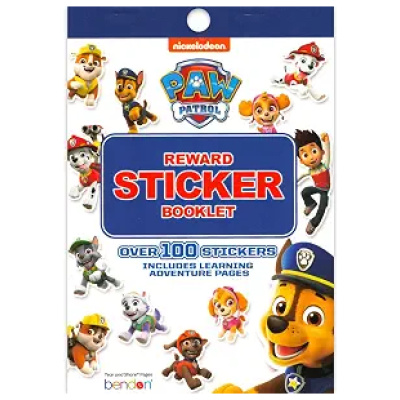
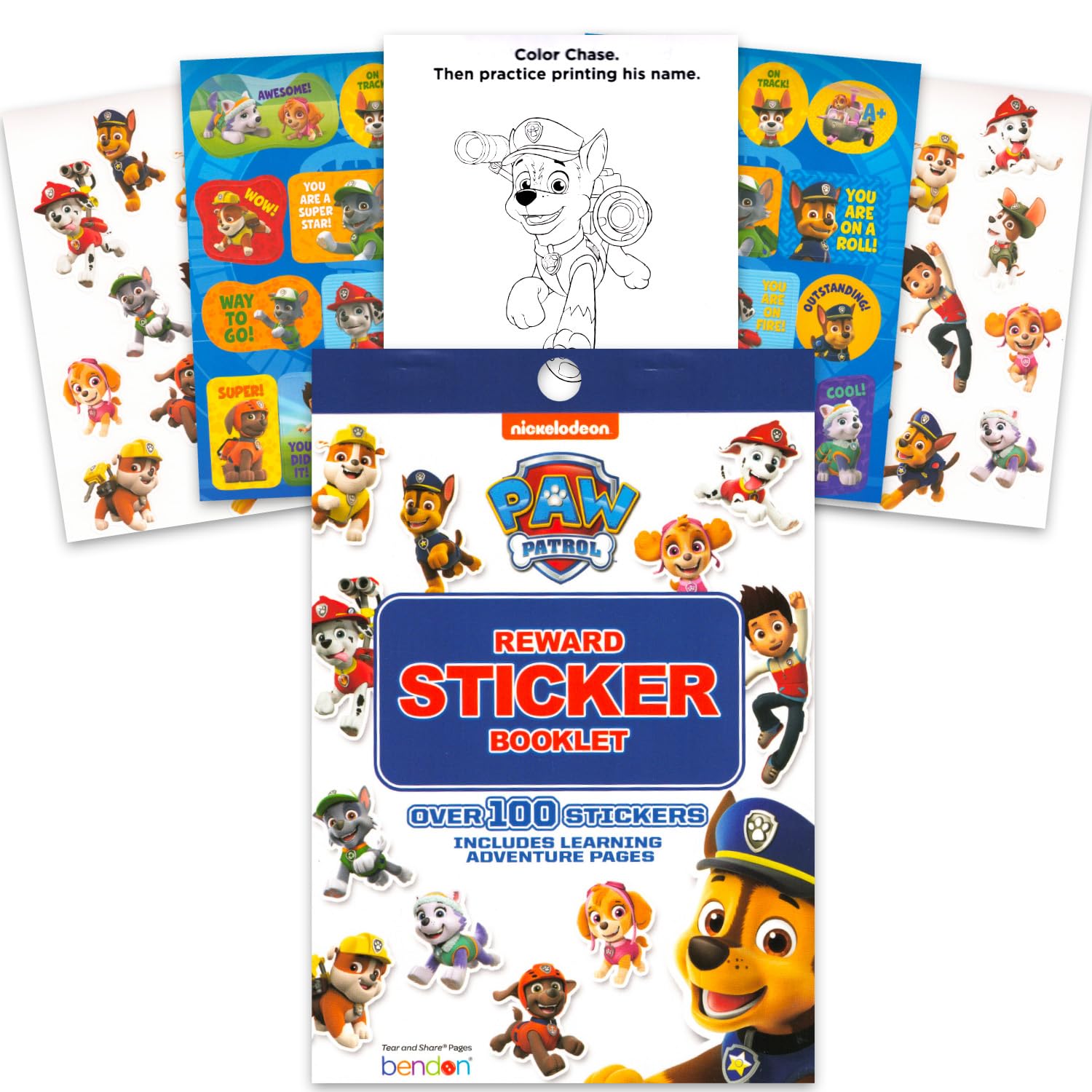
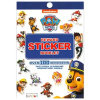
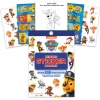
This is a PAW Patrol reward sticker pad and activity book, holding over 100 stickers along with printed pages designed for young children to work through. It combines two things parents often buy separately: a sticker collection kids can use for reward charts and encouragement, and an activity book with pages to color, complete and decorate. Everything arrives in a single rectangular pad, so there is no assembly, no batteries and nothing to charge.
The pad is aimed at children roughly 3 to 7 years old, which covers the years when kids are learning to recognize letters, hold a crayon steadily and take pride in finishing a small task. Younger children in that range will mostly enjoy peeling and placing stickers wherever they like. Older ones start using the reward certificate stickers the way they are intended, as a marker that something was accomplished, whether that is getting dressed without a fuss or putting toys away.
Parents tend to reach for this kind of pad in specific moments: a long car ride, a wait at a restaurant, a sibling’s appointment, a rainy afternoon indoors. It is light enough to slide into a diaper bag or backpack, and it gives a child something to do that does not involve a screen. Preschool teachers and daycare providers use similar pads for classroom reward systems, where a sticker on a chart carries more weight with a four-year-old than almost anything else you could offer.
Design and What Is Inside the Pad
The pad contains more than 100 stickers printed in full color across a multicolor cartoon design. The artwork follows the PAW Patrol style children already recognize from the show, with the pups and their gear rendered in the same bright, simple shapes used on screen. Because the illustrations are cartoon-flat rather than photographic, small details stay readable even at sticker size, which matters when a child is trying to pick out a specific pup from a crowded sheet.
Reward certificate stickers are a distinct part of the mix. These are the ones with space or wording that marks an achievement, meant to be handed out or stuck onto a chart, a homework page or the fridge. They work differently from decorative stickers: a decorative sticker is fun to place anywhere, while a certificate sticker is meant to be earned, and children pick up on that difference quickly once you establish the routine.
The activity pages are printed on the same rectangular format as the sticker sheets, so the pad opens flat on a table, a lap tray or a car seat. Pages are sized for small hands, and the printed line work leaves open areas that accept crayon, colored pencil or washable marker. The pad ships as one count, a single unit, so what you see listed is exactly what arrives.
How Kids Actually Use It
There are two separate uses running in parallel here, and most families end up doing both. The first is straightforward independent play. A child sits with the pad, peels stickers and fills in the activity pages, coloring, matching or decorating as the page directs. This is quiet, self-directed work, and for a lot of kids in this age range it holds attention for a solid stretch, particularly the first few sittings when the sheets are full and everything is new.
The second use is the reward system, and this is where the pad earns its keep for many parents. Sticker charts work because young children respond to visible, immediate progress in a way they do not respond to promises about later. Pick a behavior you are actually trying to build, brushing teeth, staying in bed, sharing a toy, and let a sticker mark each success. The PAW Patrol theming matters more than it might seem: a child who is indifferent to a plain gold star will often work hard for a Chase or a Skye sticker, because the character carries meaning for them.
Beyond charts, families use the stickers on lunch box notes, in homework folders, on cards to grandparents, or handed out at a birthday party as a small favor. With over 100 stickers, there is room to be generous rather than rationing them. Sticker work also does quiet developmental duty: peeling a sticker off a backing sheet takes a pincer grip and controlled pressure, and placing it in a specific spot takes hand-eye coordination. Those are the same fine motor skills that show up later in handwriting.
The activity pages give the pad a second life once stickers thin out. Coloring and completing pages is a familiar, low-pressure task, and pages can be worked on more than once if a child uses pencil lightly, or torn out and taped up when finished. Some parents keep the pad in reserve rather than in the toy rotation, bringing it out specifically for situations where a child needs to sit still, which keeps its novelty intact for months.
Materials, Safety and Age Guidance
The pad is made of paper and printed sticker stock. There are no small plastic parts, no batteries, no electronics and no cords, which removes several of the safety concerns that come with toys for this age group. That said, paper products have their own realities. Pages can tear if pulled hard, sticker backings crease if the pad is jammed into a bag, and the stickers themselves are single-use once removed. Stored reasonably flat, in a drawer, on a shelf or in a book bin, the pad holds up well through repeated sessions.
Age suitability follows the general guidance for paper and sticker products, which is best suited for children about 3 and up. Children under 3 should not use it unsupervised, since small paper pieces and peeled stickers can go into the mouth. Toddlers who are still mouthing things need an adult sitting with them, or should wait until that stage has passed.
Practical notes worth knowing: stickers will stick to painted walls, furniture and upholstery, and removing them can lift paint or leave residue, so it is worth setting a rule about where stickers are allowed before handing over the pad. If a sticker does end up somewhere unwanted, warming it gently with a hair dryer usually loosens the adhesive enough to peel it away cleanly. Wipe hands before use, since sticky fingers transfer to sticker faces and dull the print. Keep the pad away from moisture, as damp paper wrinkles and adhesive weakens permanently once it has been wet.
Where It Fits in the PAW Patrol World
PAW Patrol is built around a simple idea children understand immediately: a team of pups who help their community, each with a job and a skill. Chase handles police and traffic work, Marshall covers fire and medical response, Skye flies, Rubble runs construction equipment, Rocky recycles and repairs, and Zuma manages water rescues. Ryder leads them, and the whole show turns on the notion that showing up and doing your part is worth doing.
That premise lines up unusually well with a reward sticker pad. The pups earn their badges by completing missions; a child earns a sticker by completing a task. Kids make that connection without having it explained. When a parent hands over a PAW Patrol sticker for finishing something difficult, it lands in a framework the child already has in their head, which is a large part of why character-themed reward systems tend to outperform generic ones with this age group.
For families already invested in PAW Patrol toys, plushies or clothing, the pad extends that world into everyday routines rather than adding another item to the toy bin. It is a small, quiet product that does a specific job well: it gives kids something to do with their hands, and gives parents a low-effort way to recognize good effort when they see it.