What This Craft Kit Is and Who It’s For
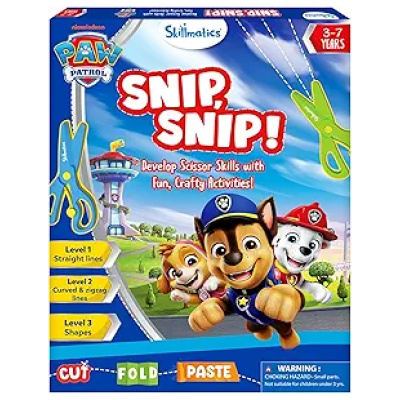
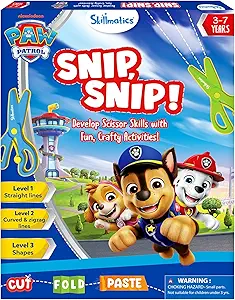
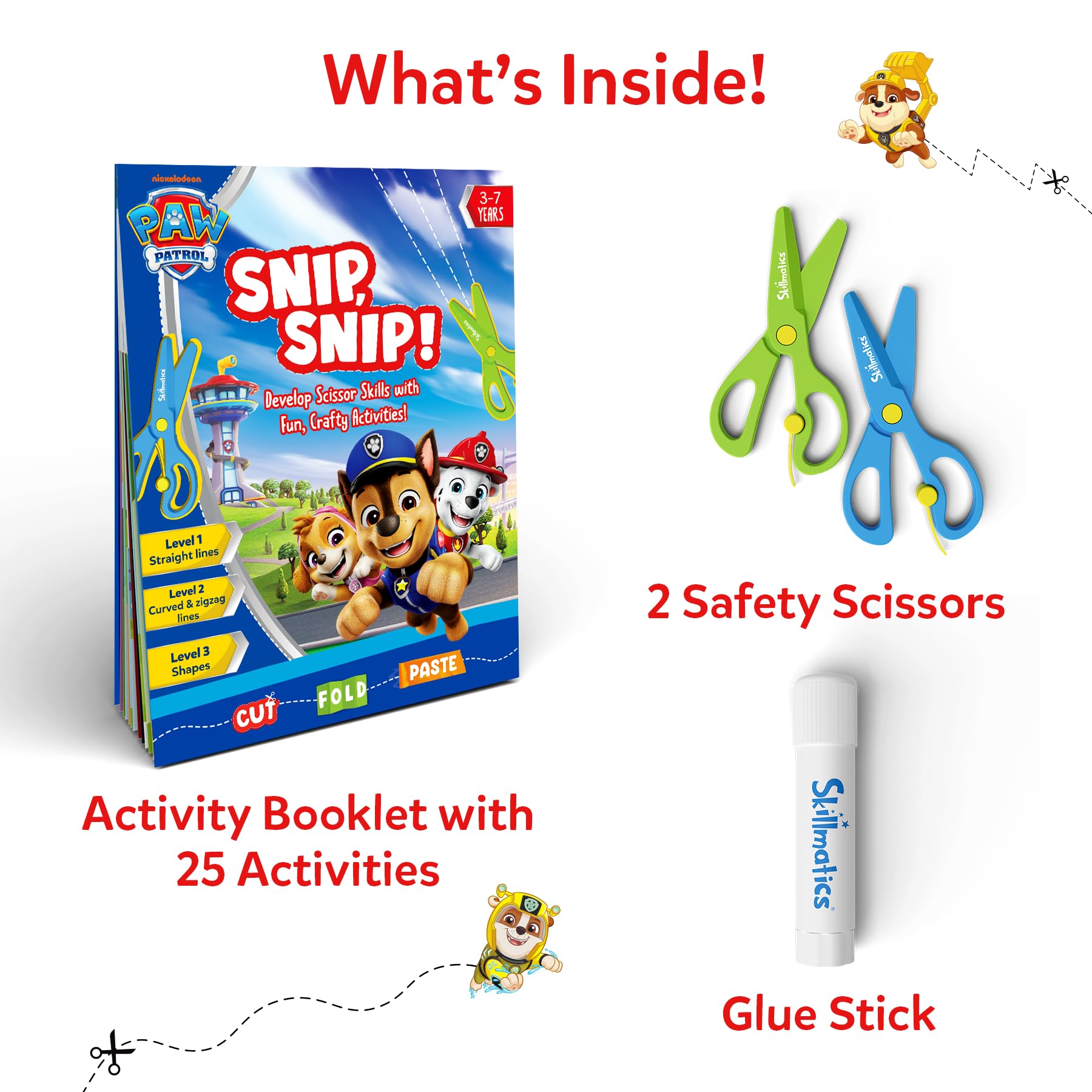
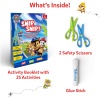
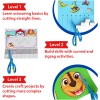
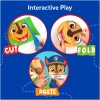
The Skillmatics Snip, Snip! Paw Patrol set is a cutting and craft activity kit built around one specific early childhood skill: learning to use a pair of scissors. It pairs a 25-activity booklet featuring Chase, Marshall, Skye, Rubble and the rest of the Adventure Bay team with two child-safe scissors and a glue stick, so everything a child needs to get started arrives in a single box.
It is designed for preschoolers roughly ages 3, 4 and 5, the window when most kids first pick up scissors and need repeated, low-pressure practice to get comfortable. Parents often reach for this kit when a preschool teacher mentions cutting practice at home, when a child is heading into kindergarten, or simply as a rainy-afternoon activity that does not involve a screen. Because the activities are self-contained and printed directly in the booklet, there is no prep work required from an adult beyond opening the cover and sitting nearby.
The kit also works well as a gift. It sits in a useful middle ground between a toy and a learning tool, and for a child already attached to the Paw Patrol characters, the familiar faces on every page do a lot of the motivational work that a plain workbook cannot.
What’s Inside and How the Booklet Is Designed
The box contains one Paw Patrol-themed activity booklet with 25 cutting activities, two child-safe scissors, and one glue stick. The second pair of scissors matters more than it might seem: it lets a sibling or a parent work alongside the child, which is genuinely helpful when a preschooler is still learning the motion and wants someone to copy.
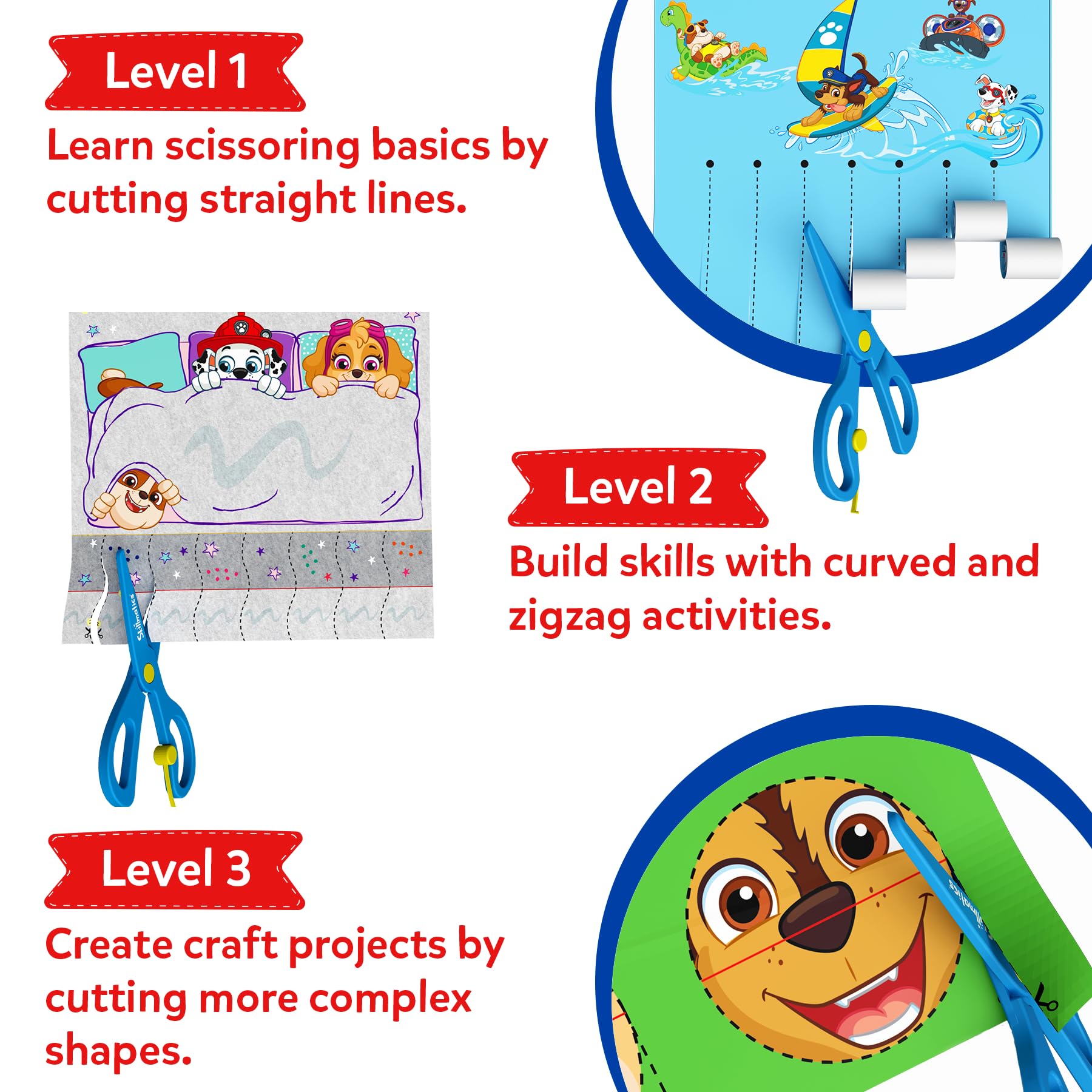
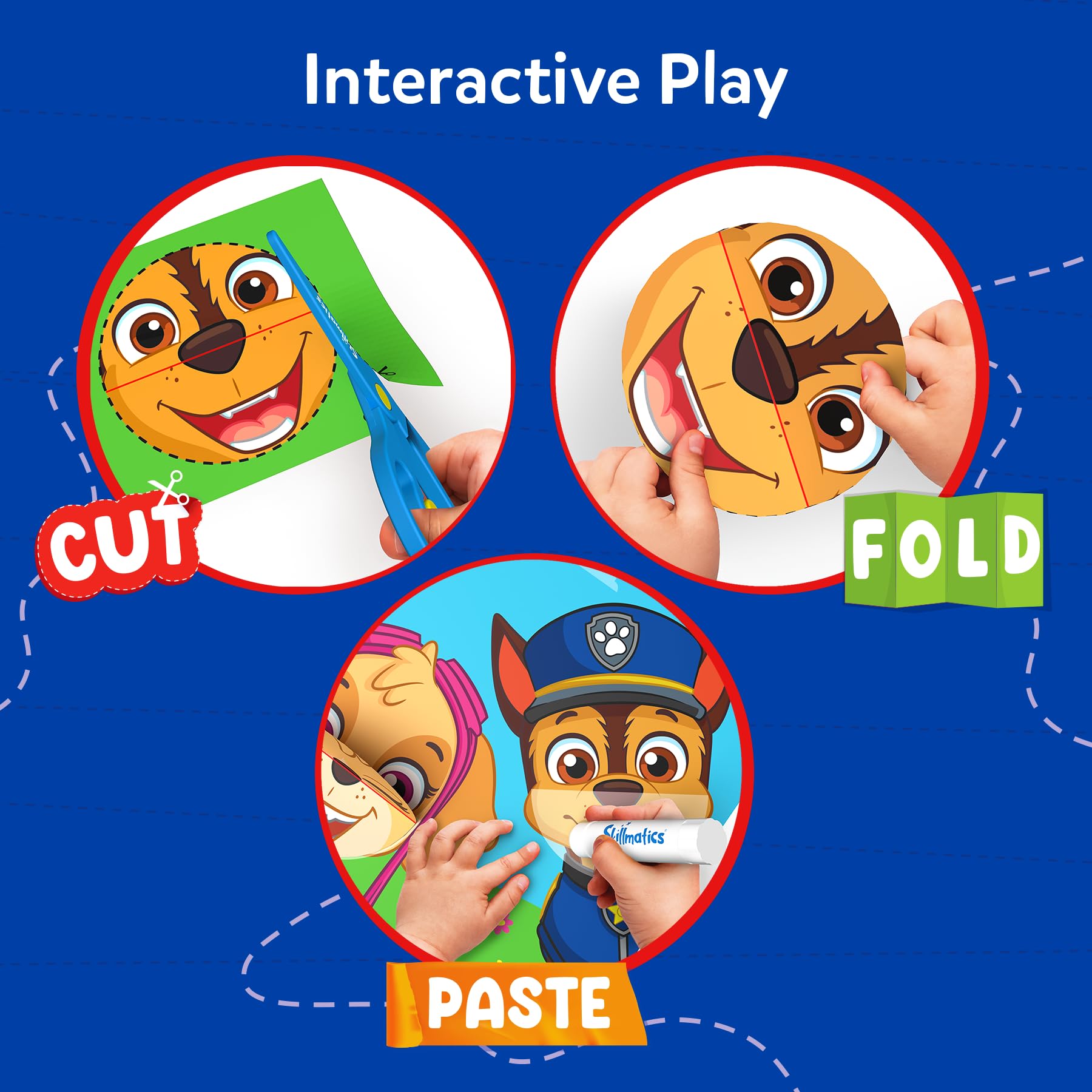
The booklet is structured as a felt craft kit style progression. Early pages keep the cutting simple, straight lines and wide, forgiving paths where a slightly crooked snip still produces a usable result. Later pages introduce curves, corners and shapes that ask for more control, and several activities end with a glue step where the cut pieces are assembled into a finished scene or figure. That build-up matters, because a child who starts on a difficult page tends to get frustrated and put the scissors down.
Cut lines are printed clearly and thickly enough for small eyes to follow, and each activity is contained on its own page so a session can end whenever attention runs out. Nothing carries over or gets ruined by stopping halfway. The pages are meant to be cut apart, so the booklet is a consumable, it is used up as the child works through it, rather than being a reference book that stays intact on a shelf.
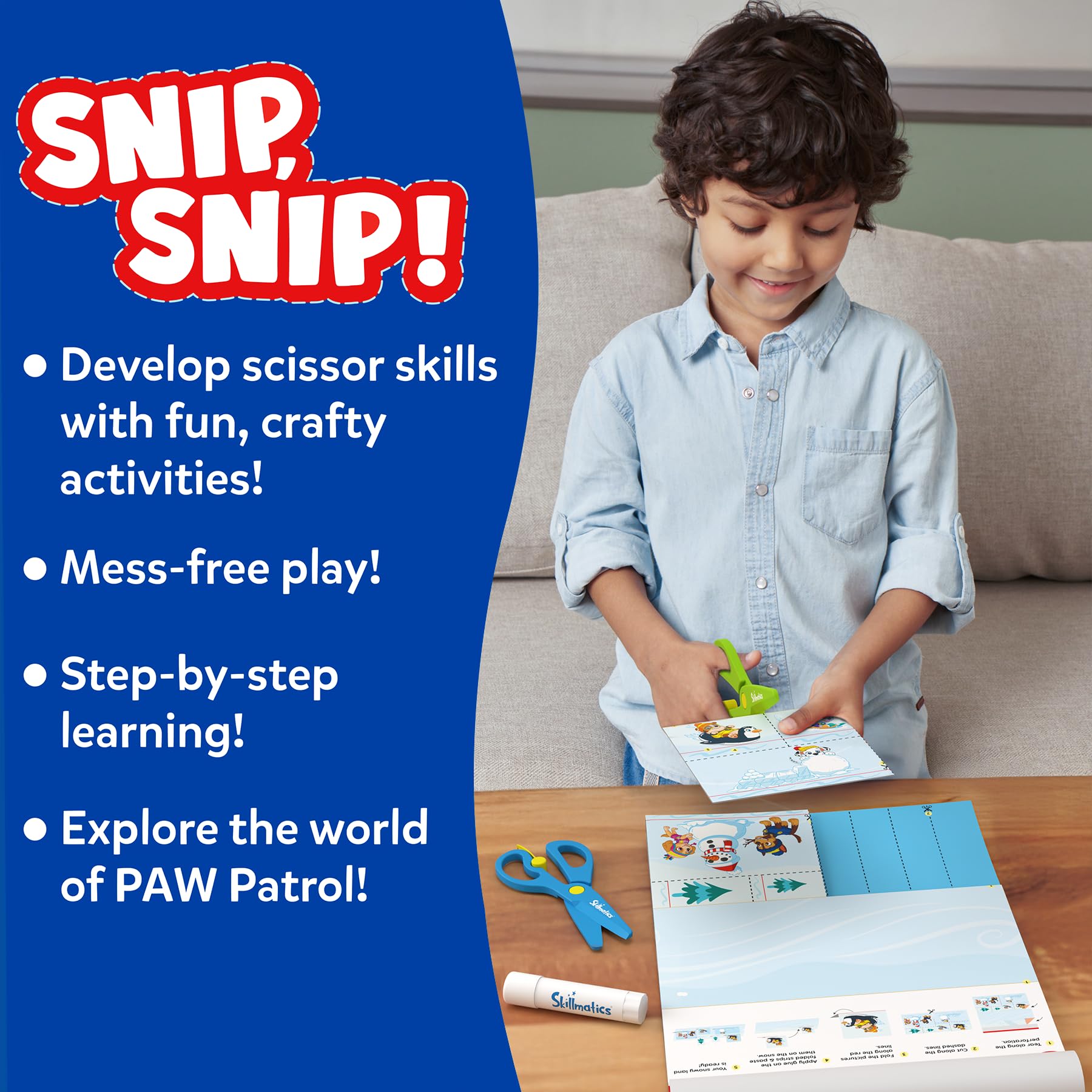
The included glue stick means the finished pieces actually go somewhere. A cut-out Chase or Skye that gets glued into a completed scene feels like a finished project to a four-year-old, which is a very different experience from a pile of paper scraps.
Play Value and Practical Use at Home
Cutting is one of those skills that looks trivial to adults and is genuinely hard for small hands. It asks a child to hold paper steady with one hand while opening and closing scissors with the other, track a line with their eyes, and rotate the page as the line curves. That combination, bilateral coordination, hand strength, visual tracking, is why occupational therapists and preschool curricula both spend time on it, and why fine motor skills show up on nearly every kindergarten readiness list.
In practice, this kit gives a parent 25 discrete sessions. Some children will move through several pages in one sitting; others will do one activity and be done. Both are normal. Because each page is independent, the booklet adapts to whatever attention span shows up that day, and the kit can live in a drawer and come out on request over several weeks or months.
It is also a useful option for the specific situations parents actually face: travel days, waiting rooms, a sibling’s long appointment, the stretch between dinner and bedtime, or any moment when the alternative would be a tablet. The activities are quiet and seated, and the only cleanup is collecting paper scraps.
Worth setting expectations on one point, this is supervised activity time, not independent play. Most three- and four-year-olds will want an adult nearby for guidance and encouragement, and scissors warrant supervision regardless. Plan on sitting with your child rather than handing over the box and stepping away.
Safety, Durability and Age Guidance
The two included scissors are child-safe designs, sized for small hands and made to cut paper rather than function as full-strength shears. They are the appropriate tool for a first pair, but they are still scissors: adult supervision during use is expected, and the kit should be stored out of reach between sessions the way any craft supplies with sharp components would be.
The manufacturer age guidance is 3 and up, and that lower bound is a real one. Under-3s do not have the hand strength or the coordination for controlled cutting, and small paper pieces are not appropriate for children still mouthing objects. If you have a toddler in the house alongside an older preschooler, plan on doing this activity at a table the younger sibling cannot reach.
On durability: the scissors and glue stick are reusable and will outlast the booklet, but the booklet itself is meant to be consumed. Once the 25 activities are cut out, that portion of the kit is finished. This is the intended design, a cutting workbook that survives intact has not been used, but it is worth knowing before purchase if you are expecting an item that lasts indefinitely. The scissors carry on as general craft supplies afterward, and many families keep the finished glued creations as artwork or add them to a craft bin for future play.
The set is produced by Skillmatics, distributed by Grasper Global Inc., under model number SKILL1365SSPP, and ships as a single-count boxed kit.
Why It Fits the Paw Patrol Universe
Paw Patrol has always been built around a simple idea: a team of pups with distinct jobs, each with a tool and a role, working through a problem together. Chase handles traffic and police work, Marshall covers fire and medical, Skye flies, Rubble digs. Every episode is essentially a task being completed with the right equipment.
A scissor skills kit maps onto that framing more naturally than most licensed craft products. The child is handed a tool, given a job, and works through it step by step, the same structure the show repeats every episode. For a preschooler who already knows the characters, that framing makes the activity legible in a way an unbranded workbook is not. The pups are not decoration pasted onto a generic product; they are the reason a child is willing to sit down and try something that is, honestly, a little difficult at first.
The kit also fits the broader appeal of the franchise for this age group. Paw Patrol tends to be a child’s first sustained media attachment, arriving right around the same age as scissor practice, potty training and preschool. Products that meet a child inside that world, plushies, clothing, playsets, and activity kits like this one, carry weight simply because the characters are familiar and trusted. A child who will not sit still for a cutting worksheet will often sit still to help Marshall.
For families building out a Paw Patrol collection, this kit fills a slot that toys and plushies do not. It is the one that comes home from the shelf with something to do rather than something to hold, and the one that leaves a finished project behind when the box is empty.