Building Confidence on Three Wheels: The Huffy Paw Patrol Scooter for Early Riders
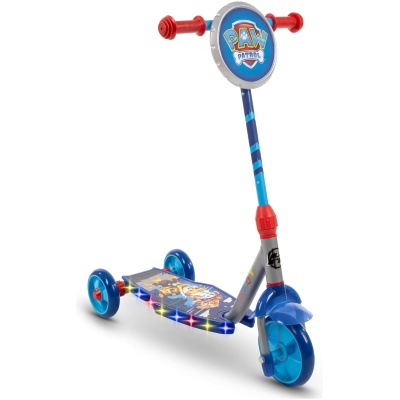
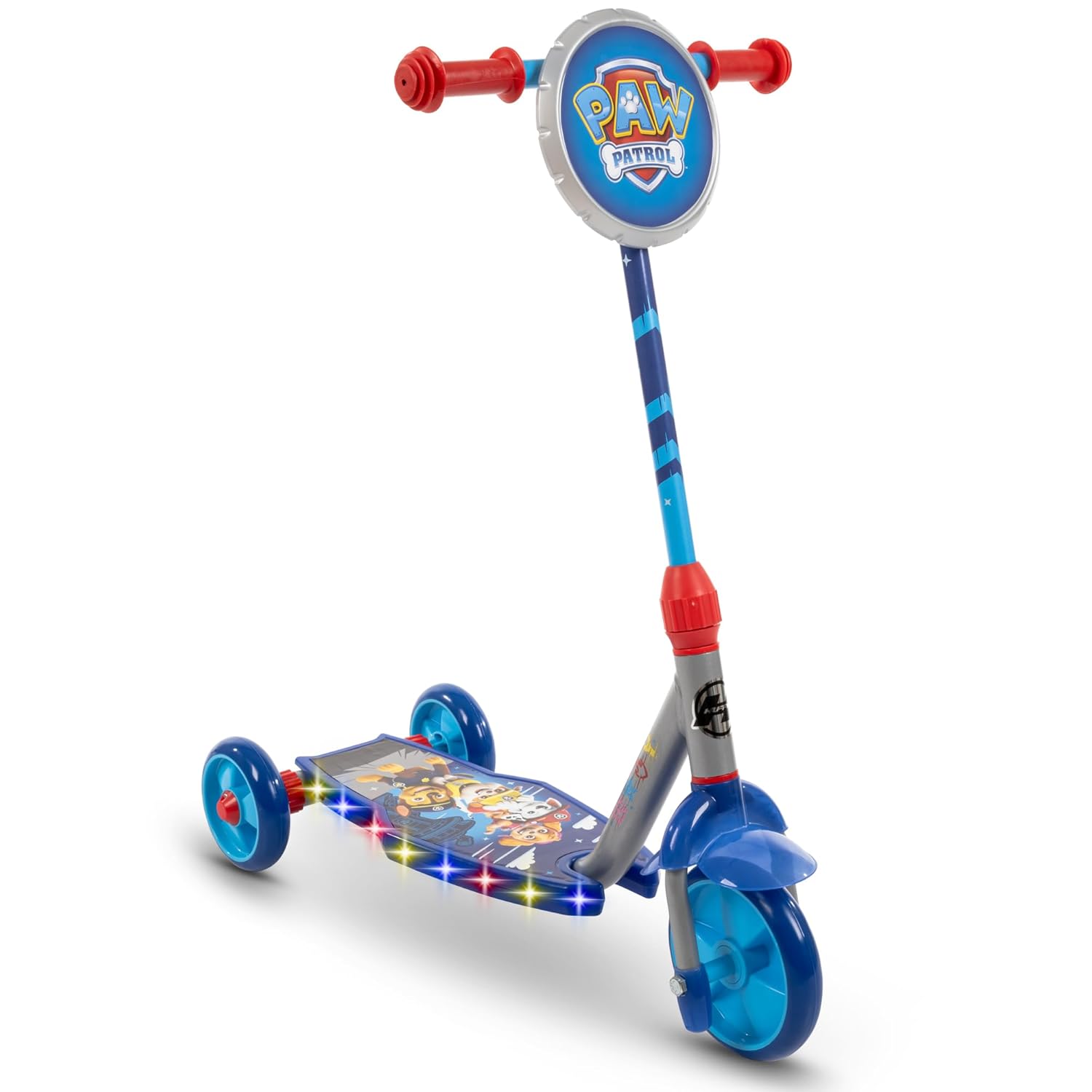
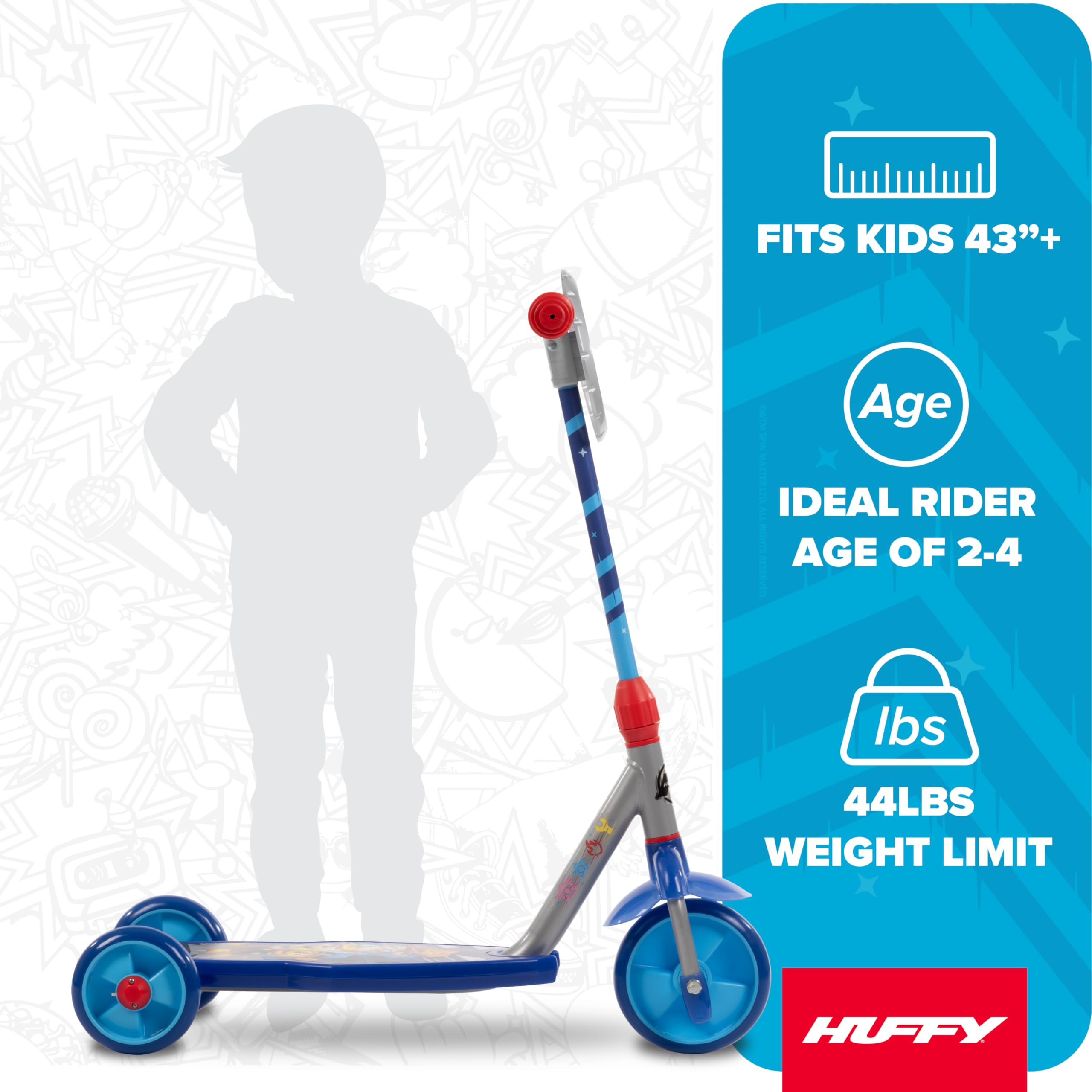
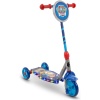
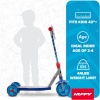
For parents introducing a child to the world of wheeled motion, the transition from walking to gliding requires equipment designed specifically for developing motor skills. The Huffy Paw Patrol 3-Wheel Scooter addresses this developmental stage with engineering focused on stability and intuitive control. Unlike scooters designed for older children or adults, this model prioritizes a low center of gravity and a wide base to support riders aged three and up, up to 60 pounds. The structural foundation is a durable steel frame that provides rigidity without excessive weight, ensuring the scooter remains manageable for small hands to steer and lift.
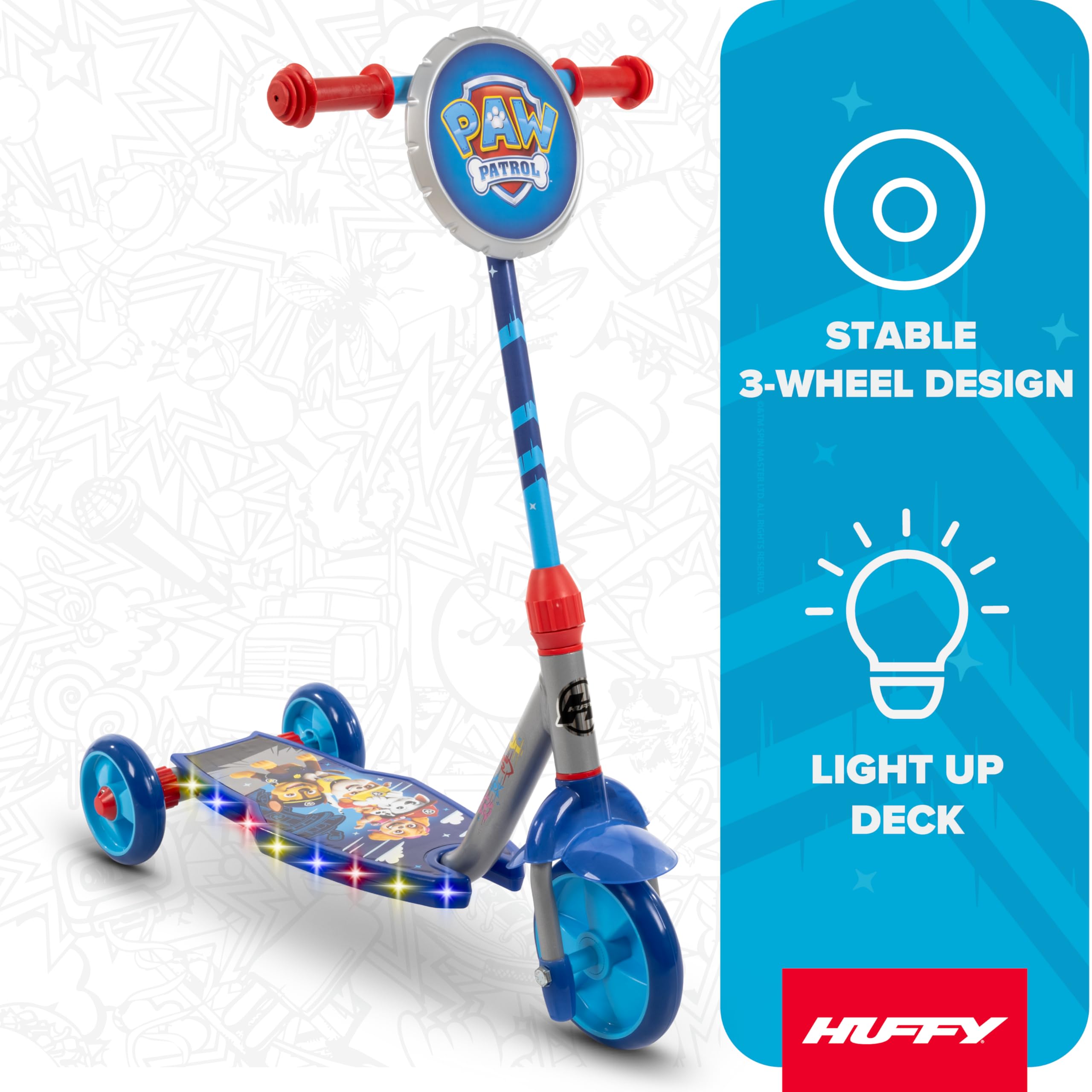
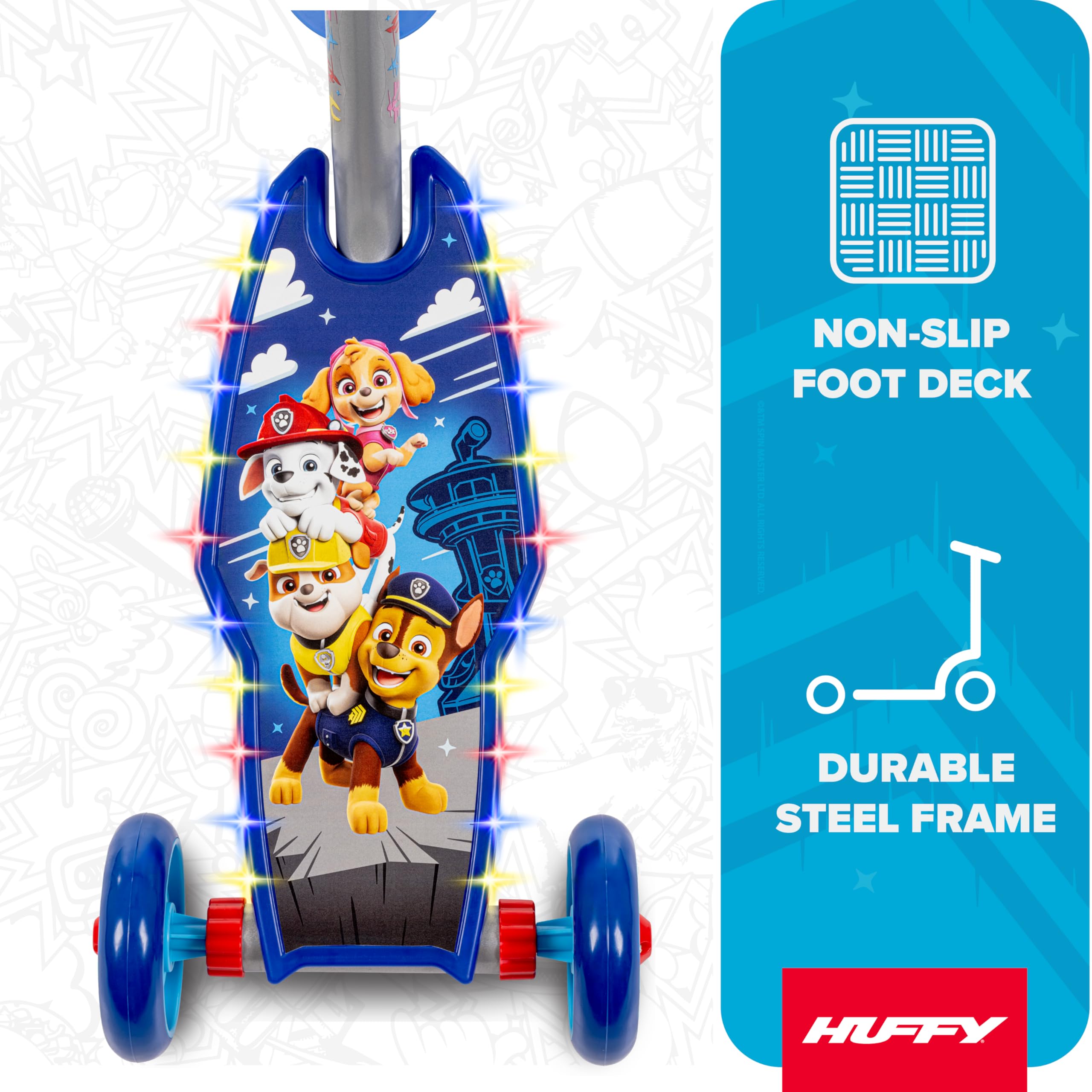
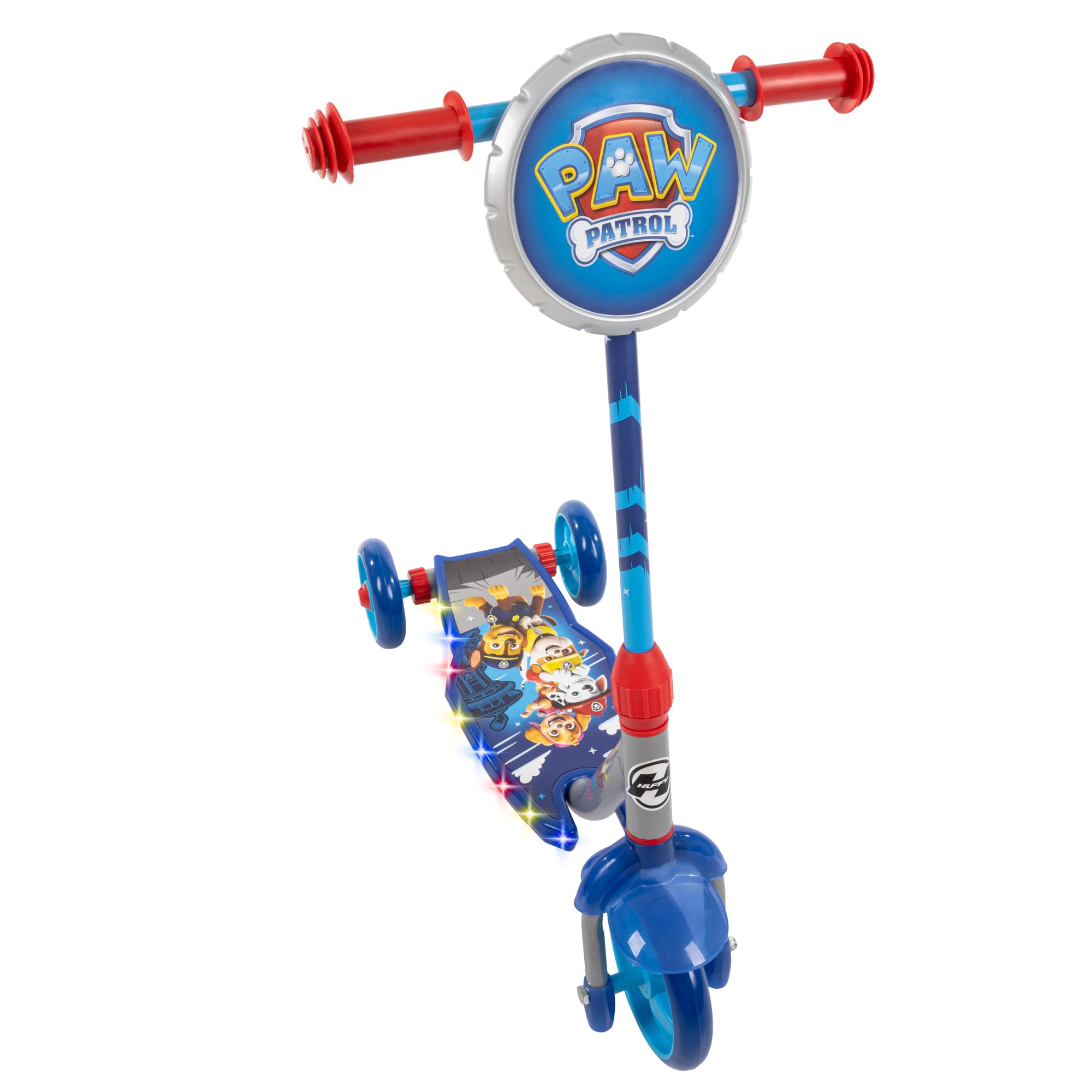
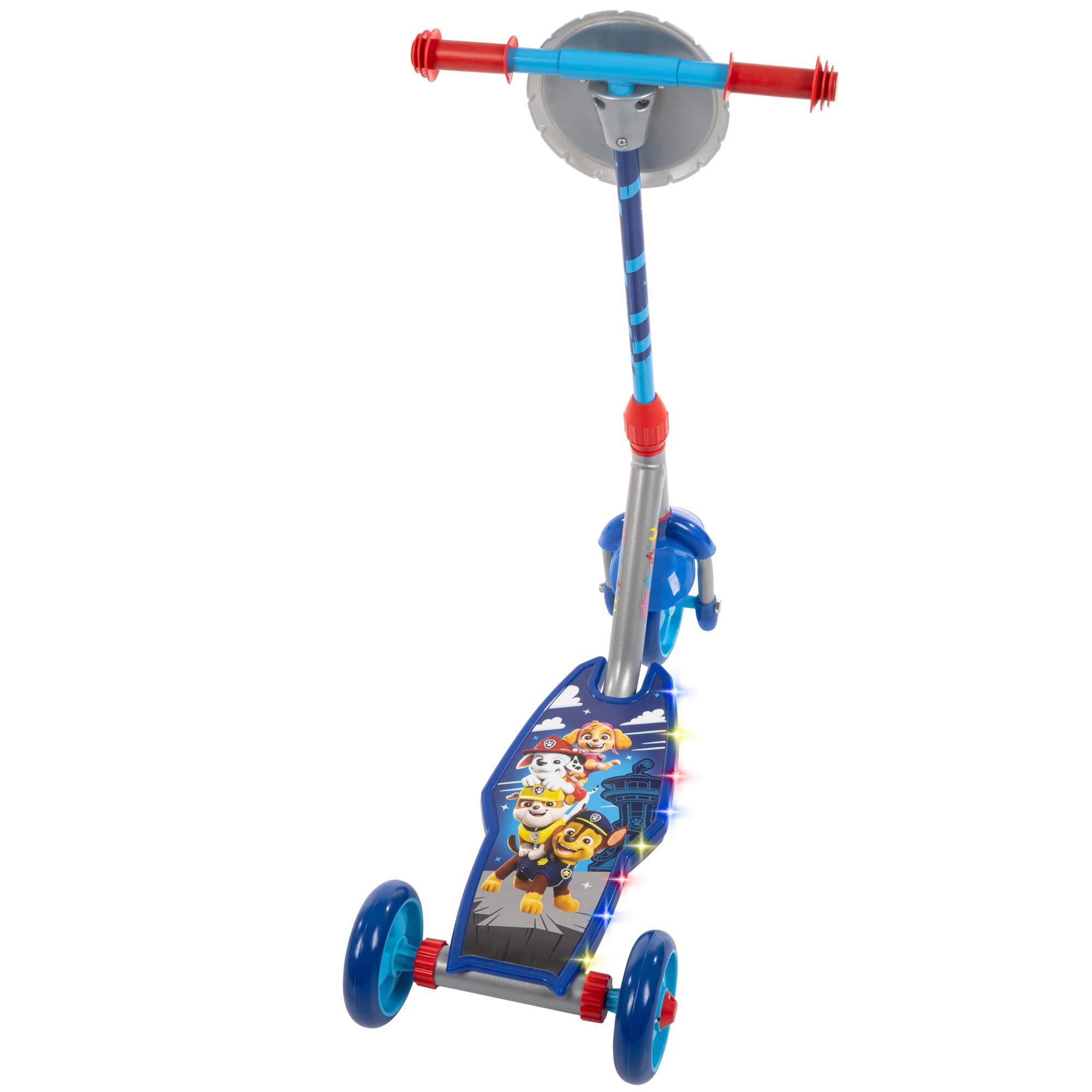
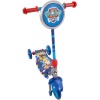
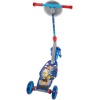
The visual design incorporates licensed Paw Patrol character graphics, which serve a practical purpose beyond aesthetics. Familiar characters can reduce initial hesitation, encouraging the child to engage with the scooter as a toy rather than a challenging piece of equipment. The multiple color options allow for personalization, which can increase the child’s sense of ownership and pride in their ride. From a safety perspective, the three-wheel configuration is a deliberate choice. Two wheels at the front and one at the rear create a tripod-like footprint that resists tipping during turns and stops, a critical feature for riders still developing their sense of balance.
This scooter is not merely a scaled-down version of an adult model. Every component, from the T-shaped handlebar to the non-slip deck, has been sized and selected for the specific biomechanics of a toddler or preschooler. The handlebar height is set to accommodate a natural arm position, preventing strain on shoulders and wrists during steering. The deck width provides ample space for both feet side-by-side, which is the recommended stance for young riders learning to push and coast. The following sections will detail the specific engineering choices that make this scooter a practical tool for developing coordination and outdoor confidence.
Lean-to-Steer Mechanism: How Lateral Weight Transfer Replaces Twisting Handlebars
The most significant engineering distinction in the Huffy Paw Patrol 3-Wheel Scooter is the lean-to-steer steering system. Traditional scooters require the rider to twist the handlebars horizontally to change direction, a motion that demands wrist strength and coordinated arm movement. For a three-year-old, this twisting action can be difficult to execute smoothly, often resulting in overcorrection or loss of control. The lean-to-steer system eliminates this requirement entirely.
Instead of twisting, the rider initiates a turn by shifting their body weight laterally, leaning slightly to the left or right. This weight transfer activates the front wheel assembly, which tilts and pivots to guide the scooter in the direction of the lean. The handlebars remain in a fixed T-shape relative to the rider’s body; they do not rotate. This design leverages the child’s natural instinct to lean into a turn, a motion they already practice when walking around corners or riding a tricycle. The result is a more intuitive learning curve, reducing frustration and allowing the child to focus on maintaining momentum.
From a mechanical standpoint, the lean-to-steer system also enhances stability during turns. Because the steering is initiated by weight shift, the scooter naturally lowers its center of gravity as the rider leans, creating a counterbalancing effect. This reduces the likelihood of the scooter tipping outward during a turn, a common issue with traditional handlebar-steering scooters when a child turns too sharply at speed. The front wheels are spaced widely apart, providing a stable base that resists wobbling. Parents should note that this system requires the child to actively engage their core muscles, which contributes to overall physical development and body awareness. The learning period typically involves a few sessions of walking the scooter while leaning, after which most children begin gliding and turning with increasing fluidity.
Durable Steel Frame and Rigid Suspension: Structural Integrity for Outdoor Use
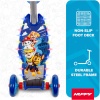
The frame material directly influences the scooter’s lifespan and performance on varied surfaces. Huffy constructs this model with a steel frame, a deliberate choice over aluminum or plastic alternatives. Steel offers a higher strength-to-weight ratio in this size category, meaning the frame can withstand the impacts of curbs, bumps, and repeated drops without bending or cracking. The rigid suspension type, meaning no shock-absorbing components, is appropriate for this age group and weight capacity. Young riders typically do not generate sufficient speed to require suspension travel, and a rigid frame provides direct feedback from the ground, which helps the child learn to anticipate surface changes.
The steel frame is coated with a durable finish that resists chipping and rust, extending the scooter’s usable life across multiple seasons. The welds at the handlebar neck and deck junction are reinforced to handle the torque generated by the lean-to-steer system. Parents should inspect these areas periodically, particularly if the scooter is used on uneven terrain like driveways or sidewalks with cracks. The rigid suspension also means the scooter performs predictably on flat pavement, which is the ideal surface for this product. On grass or gravel, the solid wheels will transmit more vibration, but the wide deck and stable wheelbase help maintain control.
The weight capacity of 60 pounds is a conservative rating that accounts for dynamic loads, the force exerted when the child jumps onto the deck or rides over a bump. Exceeding this limit can stress the frame and wheel bearings, potentially compromising safety. For most children aged three to five, this capacity provides ample room for growth, typically allowing two to three years of regular use before the child outgrows the scooter. The steel frame also contributes to the overall weight of the scooter, which is intentional. A heavier frame lowers the center of gravity and provides inertia that helps the scooter maintain a straight line, reducing the effort required from the child to keep it steady.
Wide Non-Slip Deck and Solid Wheels: Traction and Rolling Efficiency
The deck is the primary contact point between the rider and the scooter, and its design directly affects stability and safety. The Huffy Paw Patrol scooter features a wide deck with a textured, non-slip surface. The width allows the child to place both feet flat and parallel, a stance that distributes weight evenly and lowers the center of gravity. This is particularly important during the learning phase when the child may need to step off quickly or stand still while gaining confidence. The non-slip texture is embossed into the deck material, providing grip even when the surface is wet or dusty.
The wheels are solid polyurethane, a material chosen for durability and low maintenance. Unlike pneumatic tires, solid wheels cannot go flat and do not require inflation. They also resist punctures from debris like glass or thorns, making them suitable for sidewalk and driveway use. The trade-off is a firmer ride compared to air-filled tires, but for a child riding at low speeds on smooth surfaces, this is negligible. The solid wheels also eliminate the need for routine pressure checks, simplifying maintenance for parents.
The wheel size and durometer (hardness) are calibrated for the weight and speed range of a toddler. Softer wheels would provide more grip but wear quickly; harder wheels last longer but can slide on smooth surfaces. The Huffy wheels strike a balance, offering sufficient traction for lean-to-steer turning while maintaining a consistent roll. The front wheels are larger than the rear wheel, a configuration that improves stability during turns by providing more surface area in contact with the ground at the steering end. Parents should periodically clean the wheels to remove embedded debris, which can cause vibration or noise. The bearings are sealed to prevent dirt ingress, but occasional lubrication with a silicone-based spray can extend their lifespan.
LED Light-Up Wheels and Foot Brake: Visibility and Controlled Stopping
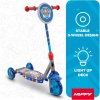
The LED light-up wheels are a functional safety feature, not merely a decorative element. The lights are activated by the rotation of the wheels, meaning they illuminate only when the scooter is in motion. This provides a visual cue to parents and other pedestrians that the child is moving, particularly in low-light conditions like dusk or overcast days. The LEDs are integrated into the wheel hubs and are powered by the kinetic energy of the spinning wheel, requiring no batteries. This eliminates the need for replacement and ensures the lights function as long as the wheels turn freely.
From a visibility standpoint, the lights create a moving point of reference that is more noticeable than a static reflector. While not a substitute for reflective clothing or adult supervision, the lights add an extra layer of safety when riding near driveways or in shared spaces. The colors vary depending on the specific Paw Patrol character theme, but all models use bright, attention-grabbing hues. Parents should verify that the lights are functioning before each ride, as debris or wear can occasionally obstruct the mechanism.
The braking system is a rear foot brake, a standard configuration for scooters in this category. The brake is a plastic flap located above the rear wheel. To stop, the rider presses down on the flap with their foot, which creates friction against the wheel. This design is simple and intuitive for young children, who can learn to drag their foot to slow down before applying the brake. The foot brake is effective at the low speeds typical of toddler scooters, but it requires the child to shift their weight to one foot while maintaining balance on the other. This is a skill that develops over time, and parents should practice stopping in a controlled environment before allowing the child to ride on inclines.
The plastic grip on the brake flap provides adequate friction for stopping, but it will wear over time with regular use. Inspecting the brake pad thickness periodically is advisable; if the pad becomes smooth or thin, replacement may be necessary to maintain stopping power. The rigid suspension means the brake engages quickly without the delay of a spring-loaded mechanism, giving the child immediate feedback when they apply pressure. This direct connection helps the child understand the relationship between their action and the scooter’s response, reinforcing safe riding habits.
T-Shaped Handlebar and Plastic Grips: Ergonomic Control for Small Hands
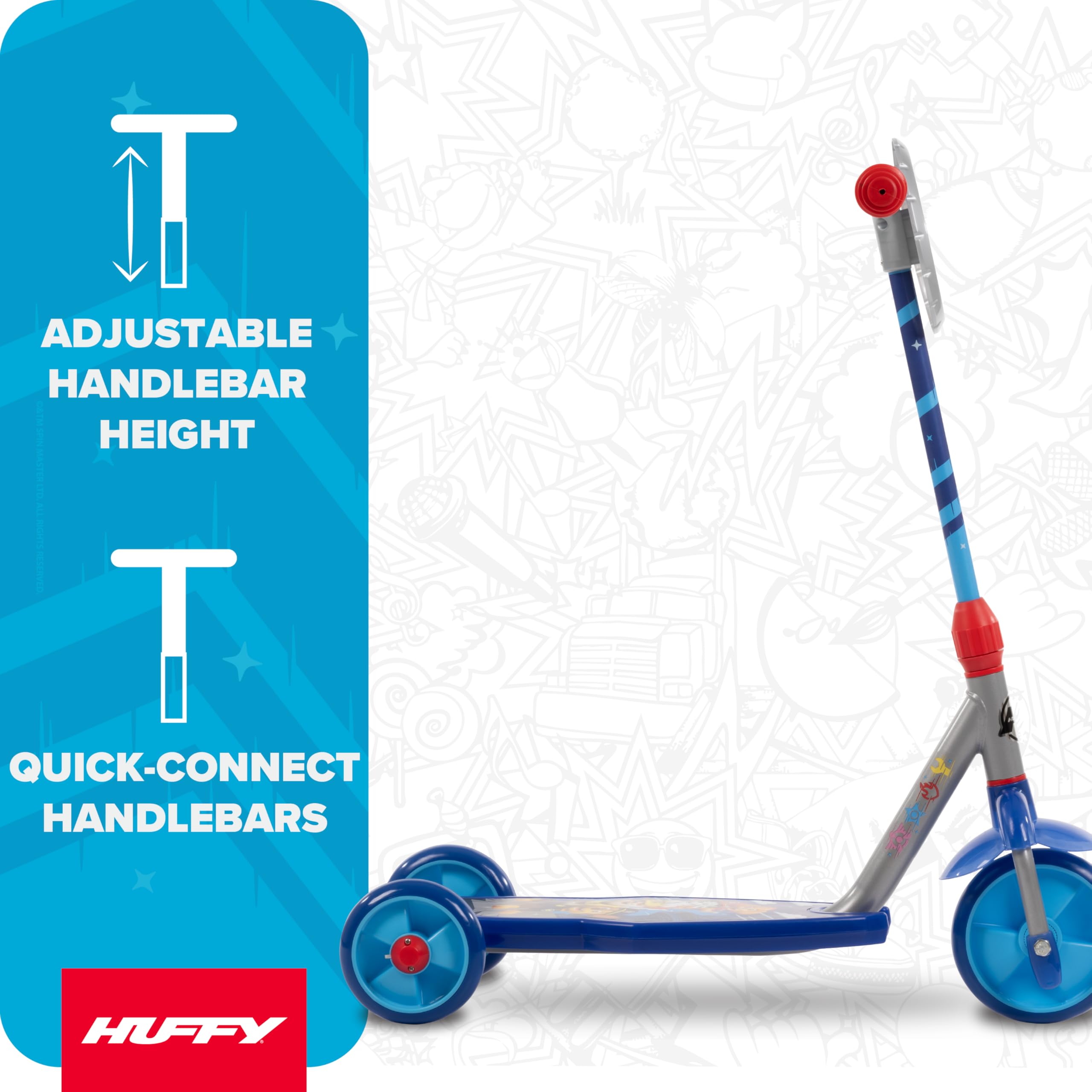
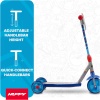
The T-shaped handlebar design is a deliberate ergonomic choice for this age group. Unlike adjustable handlebars with multiple heights, the fixed T-shape provides a consistent grip position that aligns with the child’s natural arm angle. The handlebar height is set to allow the child to stand upright with a slight bend in the elbows, which reduces strain on the shoulders and allows for comfortable steering through weight shift. The crossbar at the top provides a wide grip area, accommodating hands that are still developing fine motor control.
The grips are made of plastic, a material chosen for durability and ease of cleaning. Plastic grips do not absorb moisture or dirt like foam or rubber alternatives, making them more hygienic for outdoor use. They are textured with ridges or bumps to provide traction, even when the child’s hands are sweaty or wet. The diameter of the grips is sized for small hands, allowing the child to wrap their fingers fully around the bar without stretching. This secure grip is essential for maintaining control during turns and stops.
The handlebar stem is integrated into the frame and does not require assembly beyond attaching the handlebar to the deck. The connection point uses a clamp that should be tightened to the manufacturer’s specifications to prevent wobbling. Parents should check this clamp periodically, as repeated use can cause it to loosen. The T-shape also provides a natural hand position for the child to hold while walking the scooter, which is common during the learning phase. The fixed height means the scooter is not adjustable as the child grows, but the design accommodates the typical height range for ages three to five, ensuring the handlebar remains at a comfortable level throughout the scooter’s usable life.
Your searches: paw patrol trike