Introducing the Paw Patrol 3-Wheel Scooter: Designed for Steady Rides and Lasting Fun
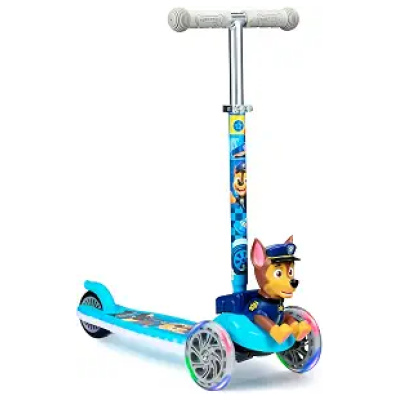
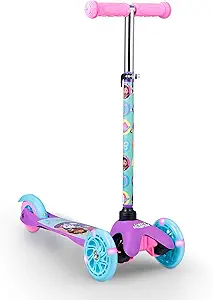
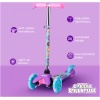
For parents seeking a first scooter that balances safety with the sheer joy of movement, the Paw Patrol 3-Wheel Scooter with Light Up LED Wheels from Sakar International offers a thoughtful starting point. This scooter is engineered specifically for younger riders, typically between the ages of 2 and 8, who are still developing their coordination and balance. The three-wheel configuration is a deliberate design choice, providing a stable platform that reduces the likelihood of tipping while allowing children to gain confidence in their pushing and steering abilities. Unlike two-wheeled scooters that demand more advanced balancing skills, this model uses a wide, low-to-the-ground deck and two front wheels to create a self-balancing experience that feels intuitive rather than intimidating.
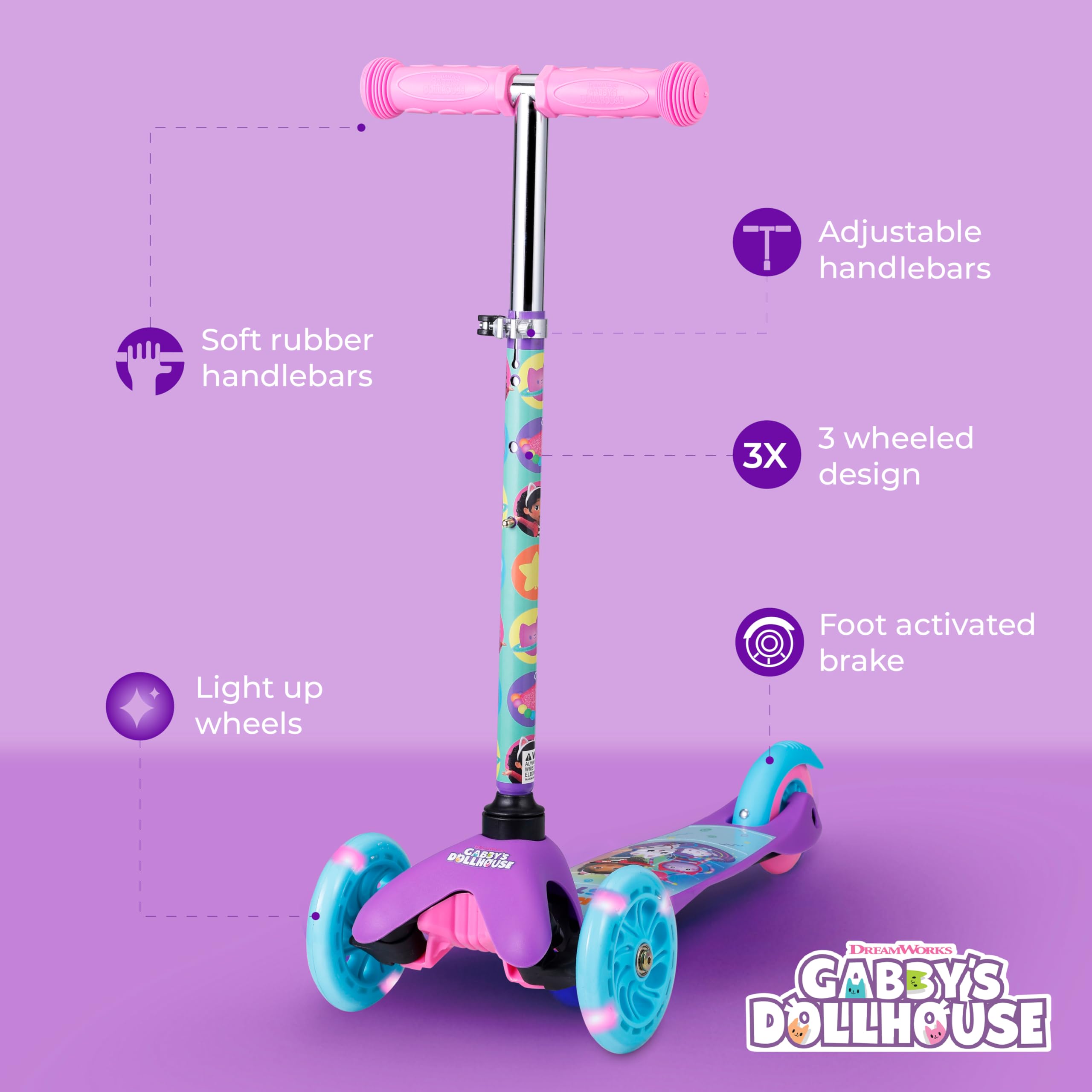
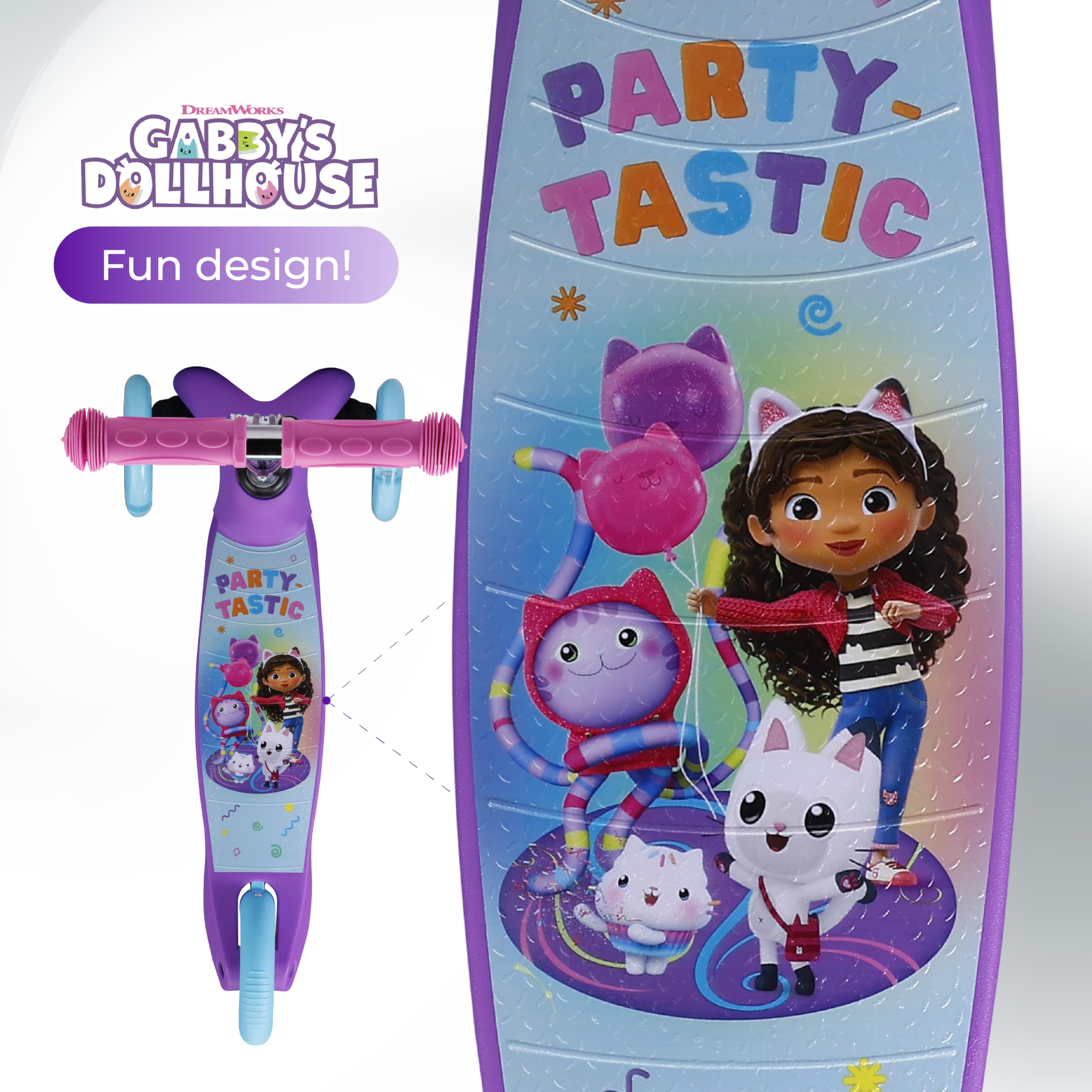
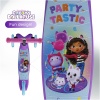
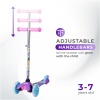
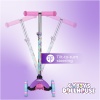
The visual appeal is undeniable, featuring official Paw Patrol graphics that resonate with fans of Chase, Marshall, Skye, and the rest of the rescue team. However, the design goes beyond mere aesthetics. The light-up LED wheels are integrated into the wheel hubs, illuminating as the scooter moves. This feature serves a dual purpose: it adds an element of excitement that encourages active play, and it also increases visibility during low-light conditions, such as late afternoon rides. The scooter is built around a fixed handlebar, meaning the handlebar height is not adjustable. This is a common design choice for scooters targeting this age group, as it simplifies the structure and reduces potential points of failure. The handlebar is set at a height appropriate for children within the recommended weight range of up to 75 pounds, ensuring that most riders can comfortably reach and steer without straining. The rear brake is a simple, effective mechanism, a step-on fender brake that allows the rider to slow down or stop by pressing down with their foot. This is a standard and reliable braking system for children’s scooters, as it is easy to understand and operate without complex hand controls. The solid wheels, measuring 4 inches in diameter, are made from a durable polyurethane material. Solid wheels are chosen for this age group because they require no inflation, are resistant to punctures from small debris, and provide a smooth ride on paved surfaces like sidewalks, driveways, and park paths. The non-slip grip tape on the deck offers a secure footing, even when the scooter is in motion or when the deck is slightly damp. Overall, this scooter is a practical tool for developing gross motor skills, spatial awareness, and a love for outdoor activity, all while wrapped in the familiar and beloved world of Paw Patrol.
Three-Wheel Stability: How the Self-Balancing Design Supports New Riders
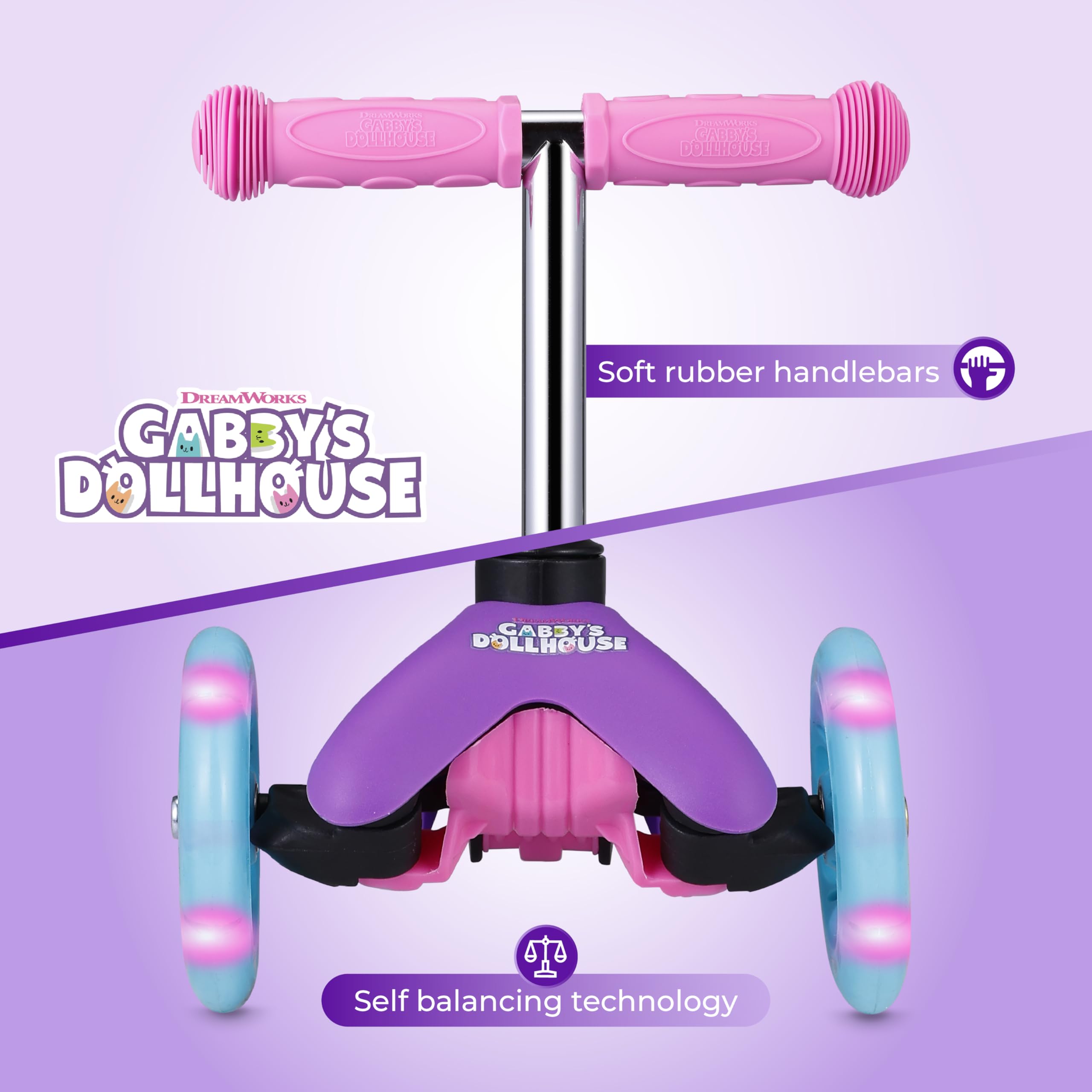
The most critical engineering feature of this scooter is its three-wheel configuration, specifically the placement of two wheels at the front and one at the rear. This layout, often referred to as a “trike” or “stability” design, fundamentally alters the riding experience compared to a traditional two-wheeled kick scooter. The two front wheels create a wide base of support, which significantly reduces the risk of the scooter tipping sideways during turns or when the rider shifts their weight. For a child who is still learning to coordinate pushing, steering, and balancing, this stability is paramount. It allows them to focus on the mechanics of propelling themselves forward without the constant fear of falling.
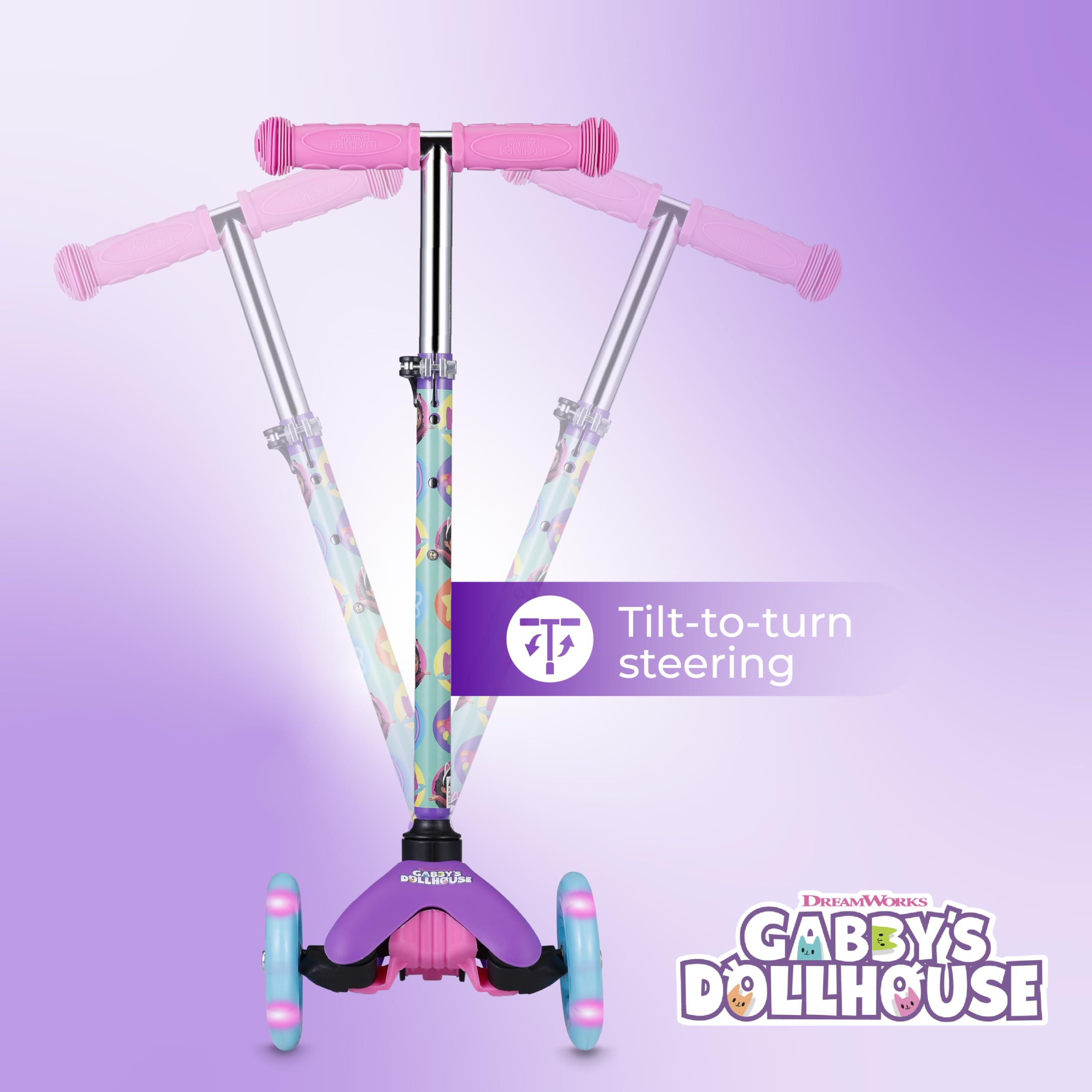
The term “self-balancing” in the product title refers to the scooter’s natural tendency to remain upright when at rest or moving slowly. This is not an electronic or gyroscopic system; it is purely a mechanical property of the wheel arrangement. When a child stands on the deck, the two front wheels act as stabilizers, preventing the scooter from rolling onto its side. This is particularly beneficial for younger riders, typically ages 2 to 5, who may not yet have the core strength or coordination to balance on a two-wheeled scooter. The fixed handlebar further contributes to this stability. Because the handlebar does not fold or adjust, the steering column is a rigid, single piece of metal. This eliminates any wobble or play in the steering mechanism, providing a direct and predictable connection between the rider’s input and the scooter’s direction. The steering itself is achieved by leaning the handlebar to one side, which tilts the front wheels and initiates a turn. This lean-to-steer mechanism is intuitive for young children, mimicking the natural body movements they use when running or walking. It encourages a more engaged riding style, where the child learns to shift their weight and use their torso to guide the scooter, rather than simply yanking the handlebars. The result is a smoother, more controlled turning radius that reduces the chance of over-steering or losing control. For parents, this means fewer spills and a more confident introduction to wheeled mobility.
Light-Up LED Wheels: Illuminating Play Without Batteries or Switches
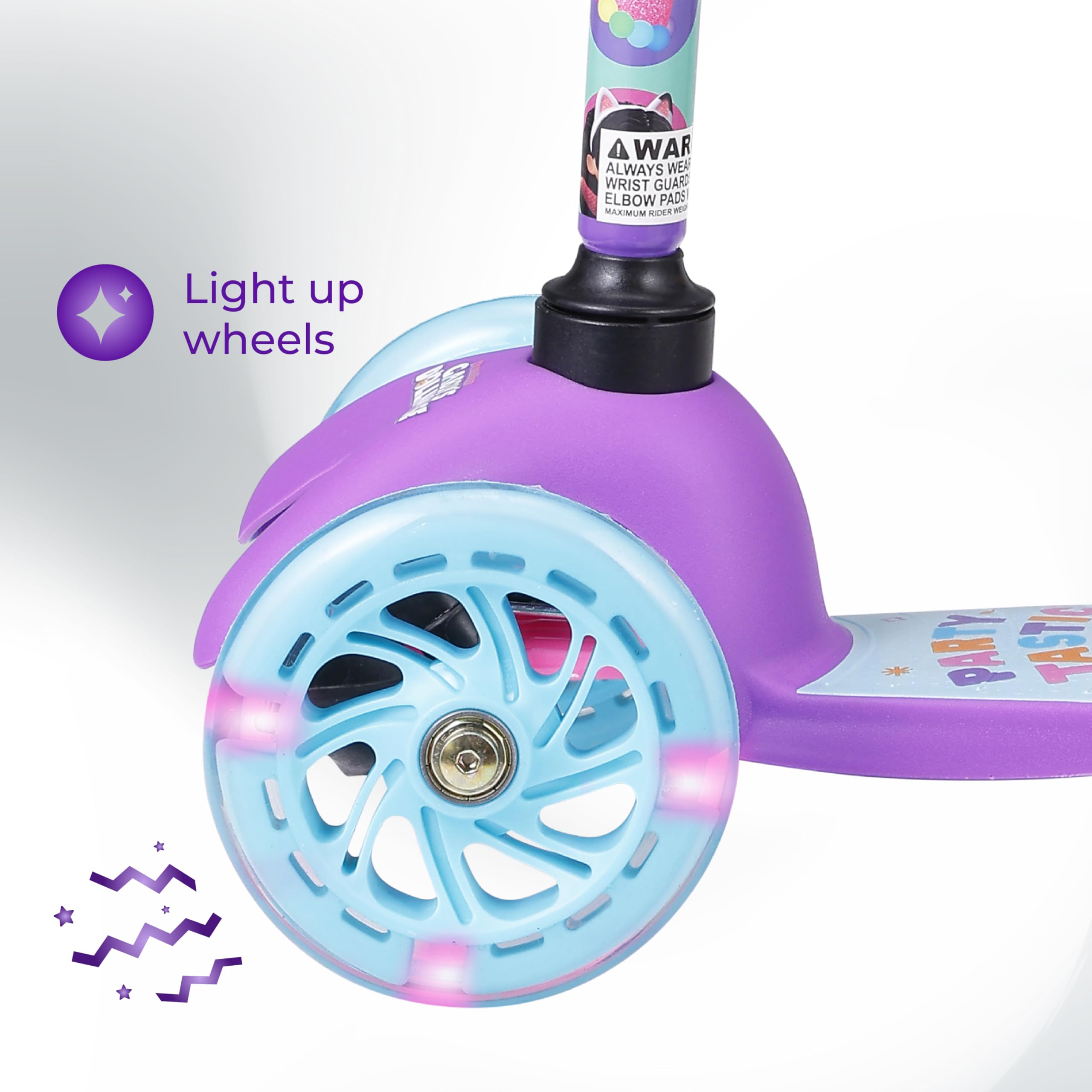
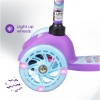
The light-up wheels on this Paw Patrol scooter are a key feature that enhances both the fun and the functional aspects of the ride. These are not battery-operated lights that require replacement or switches that a child might forget to turn on. Instead, the LEDs are powered by a small generator mechanism, often a dynamo or a magnetic induction system, housed within the wheel hub. As the wheel spins, this generator creates a small electrical current that powers the LEDs. The faster the scooter moves, the brighter and more continuous the light output becomes. When the scooter is stationary or moving very slowly, the lights may dim or turn off entirely. This design is efficient, maintenance-free, and encourages active riding, the child must push and glide to see the lights glow.
From a safety perspective, the illumination serves as a passive visibility aid. In low-light conditions, such as dusk or cloudy afternoons, the moving lights make the scooter and its rider more noticeable to pedestrians, cyclists, and drivers. This is especially relevant for children who may not yet have the awareness to look for traffic or to ensure they are seen. The lights are not a substitute for proper reflective gear or adult supervision, but they add an extra layer of visibility that is automatically engaged when the scooter is in use. The visual effect is also a powerful motivator for children. The spinning, colorful lights create a sense of speed and excitement that can transform a simple ride down the sidewalk into an engaging adventure. This can be particularly helpful for children who are hesitant to ride or who need encouragement to spend time outdoors. The lights are integrated into the wheel hubs, which are made of a clear or translucent plastic that allows the light to diffuse evenly. The wheels themselves are solid polyurethane, so the light does not affect the ride quality or the durability of the wheel surface. Parents should note that the light color is typically fixed, often a combination of red, blue, and green or a single color like blue, and is not user-selectable. The mechanism is sealed within the hub, so it is not serviceable by the user, but it is designed to last for the life of the scooter under normal use. The absence of batteries, wires, or external switches means there is nothing to corrode, break, or be lost, making this a truly set-and-forget feature that adds value without adding complexity.
Solid 4-Inch Wheels and Rear Brake: Practical Engineering for Pavement Performance
The wheel and brake system on this scooter is designed for durability and simplicity, prioritizing the needs of young riders on paved surfaces. The 4-inch diameter wheels are made from solid polyurethane, a material commonly used in skateboard and scooter wheels. Unlike pneumatic (air-filled) tires, solid wheels are completely immune to punctures, flats, or slow leaks. This is a significant advantage for a child’s scooter, which may be left outside, ridden over small rocks, or subjected to rough handling. The solid construction also means the wheels maintain their shape and performance over time, without the need for periodic inflation checks or replacement of inner tubes. The polyurethane compound is chosen for its balance of grip and durability. It provides sufficient traction on dry pavement, asphalt, and concrete to allow for controlled turns and stops, while also resisting wear from friction. The 4-inch diameter is a common size for scooters in this category because it offers a good compromise between stability and maneuverability. Smaller wheels would be less stable over cracks and bumps, while larger wheels would increase the overall height and weight of the scooter, making it harder for a small child to mount and dismount.
The braking system is a rear fender brake, which is a standard and highly reliable design for children’s kick scooters. To activate the brake, the rider simply steps down on the rear fender, which is a plastic or metal cover that sits over the top of the rear wheel. This action presses a brake pad against the wheel, creating friction that slows the scooter down. The brake is designed to be intuitive, children naturally understand to step on the back of the scooter to stop, as it mimics the motion of putting a foot down. The rear brake is also safer for young riders than a hand brake, which requires fine motor control and hand strength that may not be fully developed in a 3- or 4-year-old. A hand brake can also cause a child to overcorrect and lock the front wheel, leading to a potential fall. The rear fender brake, by contrast, applies braking force to the rear wheel only, which is less likely to cause the scooter to pitch forward or skid out of control. The brake mechanism is simple and requires minimal maintenance. Parents should periodically check that the brake pad has not worn down excessively and that the fender is securely attached to the scooter frame. The non-slip grip tape on the deck also plays a role in braking effectiveness, as it ensures the rider’s foot stays firmly planted when stepping on the brake. This combination of solid, low-maintenance wheels and a simple, effective rear brake makes the scooter a practical choice for daily use on neighborhood sidewalks, driveways, and paved park paths.
Weight Capacity, Handlebar Design, and Grip: Matching the Scooter to Your Child’s Needs
Understanding the specific physical parameters of this scooter is essential for determining if it is the right fit for your child. The maximum weight capacity is listed as 75 pounds. This is a typical limit for scooters designed for the 2-to-8 age range, and it is based on the structural integrity of the deck, the strength of the steering column, and the load-bearing capacity of the wheels and bearings. Exceeding this weight limit can lead to premature wear, reduced performance, or even structural failure, such as a cracked deck or a bent handlebar. It is important to note that this is a maximum, not a recommended riding weight. Children closer to the upper end of the weight range will still be able to ride safely, but the scooter may feel less responsive and the wheels may wear faster. The scooter is not designed for teenagers or adults, and its components are sized for smaller hands and feet.
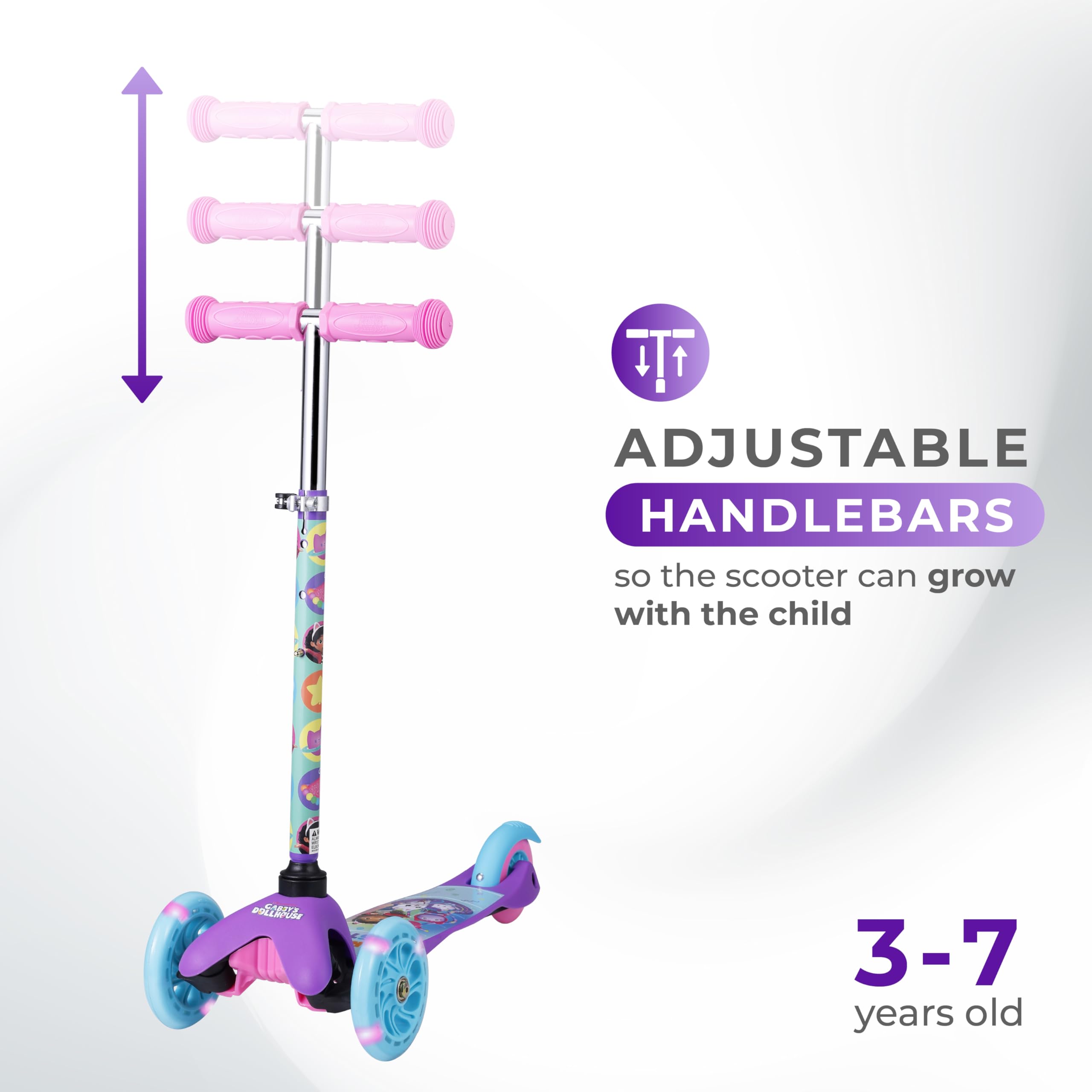
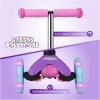
The handlebar is described as “fixed,” meaning it does not have an adjustable height mechanism. This is a deliberate design choice that simplifies the scooter’s construction and reduces the number of moving parts that could loosen or break. The handlebar height is set at a level that is appropriate for the average child within the recommended age and weight range. For a child who is on the taller side for their age, the handlebar may feel slightly low, which could cause them to hunch over while riding. For a shorter child, the handlebar may feel slightly high, but they can still reach it comfortably. The handlebar grips are made of a soft, non-slip material, typically foam or rubber, that provides a secure hold even when hands are sweaty or the weather is humid. The grips are shaped to fit small hands, with a diameter that allows for a comfortable grip without being too thick. The handlebar itself is a T-bar design, with a crossbar that the child holds onto. The steering is achieved by leaning the handlebar, which tilts the front wheels. This lean-to-steer mechanism is not as direct as a traditional handlebar that turns like a bicycle, but it is easier for young children to master and reduces the risk of over-steering. The deck is wide enough to accommodate both feet comfortably, and the non-slip grip tape covers the entire surface, providing a stable platform. The deck height is low to the ground, making it easy for children to step on and off without assistance. Overall, the scooter’s dimensions and ergonomics are carefully calibrated for its target audience, prioritizing ease of use and safety over adjustability or advanced features.