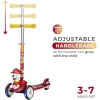
Introducing the Voyager 3-Wheel Self-Balancing Scooter: A Stable First Ride for Your Paw Patrol Fan
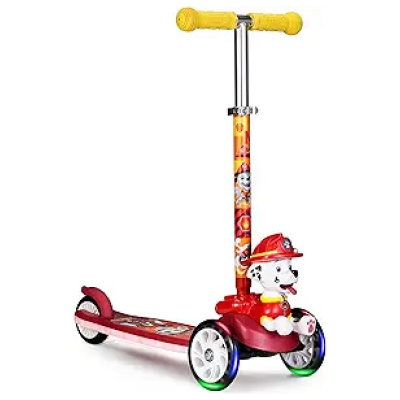
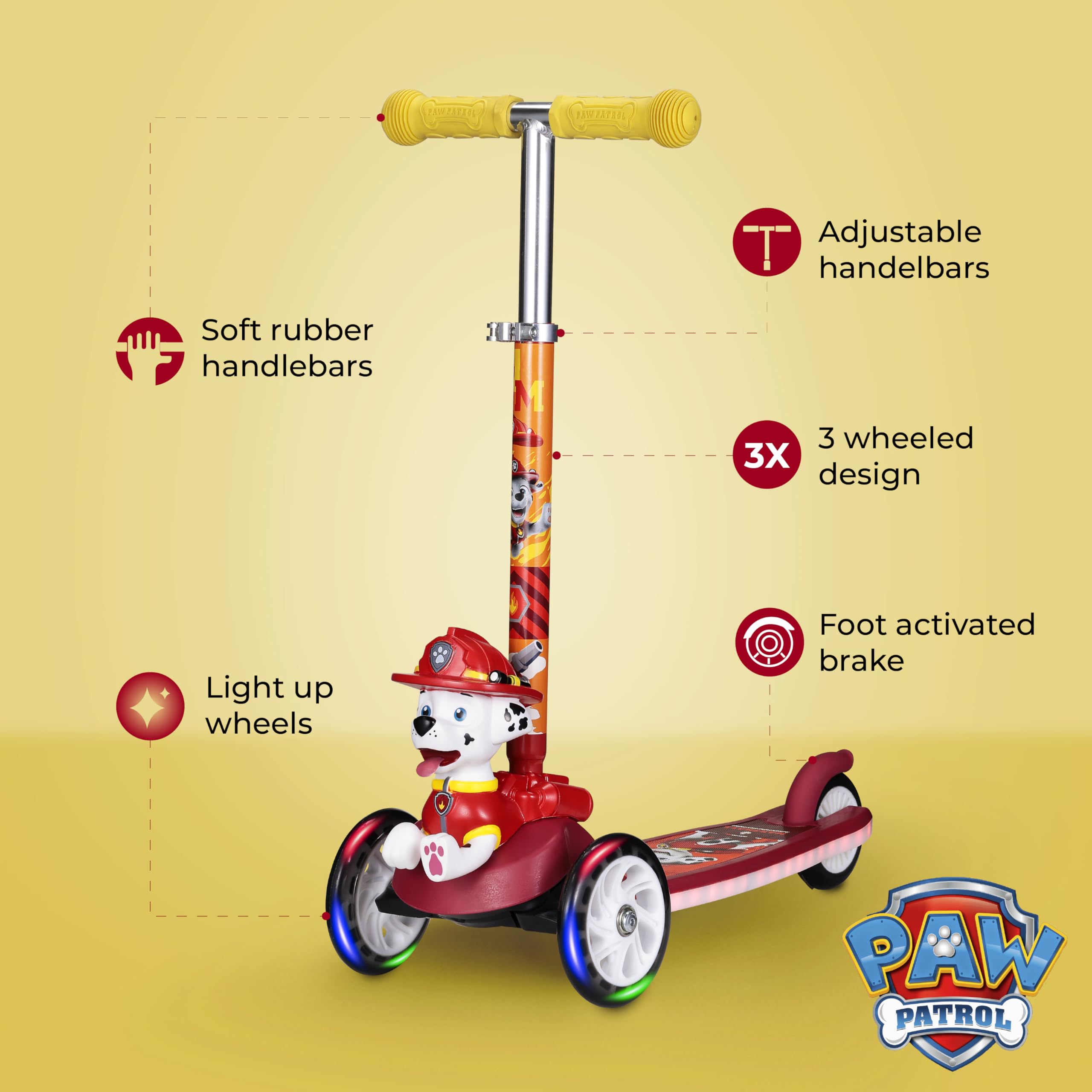
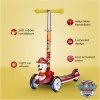
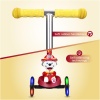
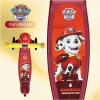
For parents seeking a reliable and engaging first scooter for their child, the Voyager 3-Wheel Self-Balancing Scooter, featuring beloved Paw Patrol graphics, presents a thoughtfully engineered option. Designed specifically for riders aged 2 to 8 years, this scooter prioritizes stability and ease of use, which are critical factors when introducing a child to the world of wheeled mobility. The three-wheel configuration, combined with a self-balancing design, minimizes the learning curve and reduces the likelihood of tipping, allowing young adventurers to build confidence from their very first push. The scooter’s solid wheels and rigid suspension system are purpose-built for smooth, predictable movement on paved surfaces, such as sidewalks, driveways, and playground paths. Unlike inflatable tires that require maintenance and are prone to punctures, the solid wheels offer a maintenance-free experience, ensuring that playtime is not interrupted by flat tires or air pressure checks. The fixed handlebar design further simplifies the riding experience, eliminating the complexity of folding mechanisms that can be challenging for small hands to operate. Instead, the handlebars remain securely in place, providing a consistent and stable steering platform. The rear braking system is a key safety feature, allowing children to stop gradually and controllably by pressing down on the rear fender with their foot. This intuitive braking method is easier for young riders to master than hand brakes, which require fine motor skills and hand strength. The ergonomic grips are contoured to fit small hands comfortably, reducing fatigue during longer rides. With a maximum weight capacity of 75 pounds, this scooter accommodates a wide range of children, from toddlers just learning to balance to older preschoolers and early elementary school students. The light-up LED wheels add a layer of visibility and fun, illuminating as the scooter moves, which not only delights children but also makes them more noticeable to others during twilight or overcast conditions. This scooter is not just a toy; it is a tool for developing gross motor skills, coordination, and a sense of independence, all while featuring the iconic characters from the PAW Patrol series that children adore. The Voyager brand has focused on creating a product that balances durability with child-friendly design, using materials that can withstand the bumps and scrapes of everyday use. The overall construction feels solid without being overly heavy, making it manageable for a parent to carry when necessary. In the following sections, we will explore the specific design features, safety considerations, and practical aspects of this scooter in greater detail, helping you make an informed decision for your child’s active lifestyle.
Three-Wheel Stability and Self-Balancing Design: Engineering Confidence for Young Riders
The core engineering principle behind the Voyager 3-Wheel Self-Balancing Scooter is its ability to provide a stable platform that reduces the risk of falls, which is paramount for children aged 2 to 8. The three-wheel configuration is not arbitrary; it is a deliberate design choice that offers distinct advantages over traditional two-wheeled scooters. The two front wheels are spaced wider apart, creating a triangular base of support that significantly lowers the center of gravity. This geometry means that the scooter is inherently more resistant to tipping sideways, even when a child leans or turns sharply. The self-balancing aspect refers to the scooter’s natural tendency to remain upright when stationary or moving slowly, which is a direct result of this wide wheelbase. For a child who has never ridden a scooter before, this stability is transformative. They can place both feet on the deck and feel secure, rather than wobbling or needing to constantly correct their balance. The deck itself is low to the ground, typically around 2 to 3 inches, which further enhances stability by keeping the rider’s center of gravity low. This low deck height also makes it easy for children to step on and off without assistance. The fixed handlebar design complements this stability by providing a rigid steering column that does not fold or flex. While some scooters feature adjustable or folding handlebars, the fixed design on this model ensures that the steering is always responsive and predictable. The handlebars are set at a height appropriate for the target age range, allowing children to stand upright with a slight bend in their elbows, which is ergonomically optimal for control and comfort. The steering mechanism itself is lean-to-steer, meaning that the child turns by shifting their weight and leaning the handlebars in the desired direction, rather than turning the handlebars like a bicycle. This lean-to-steer system is intuitive for young children and mimics the natural body movements used in activities like walking or running. It also encourages the development of core strength and coordination. The solid wheels, made from polyurethane or a similar durable material, provide a smooth ride on flat surfaces. They do not have the shock absorption of pneumatic tires, but the rigid suspension system is designed to handle minor imperfections in pavement, such as small cracks or pebbles, without causing jarring vibrations. This combination of a low deck, wide wheelbase, fixed handlebars, and lean-to-steer steering creates a learning environment where children can focus on the joy of movement rather than the mechanics of balance.
Safety Features and Construction: A Closer Look at the Rear Braking System and Ergonomic Grips
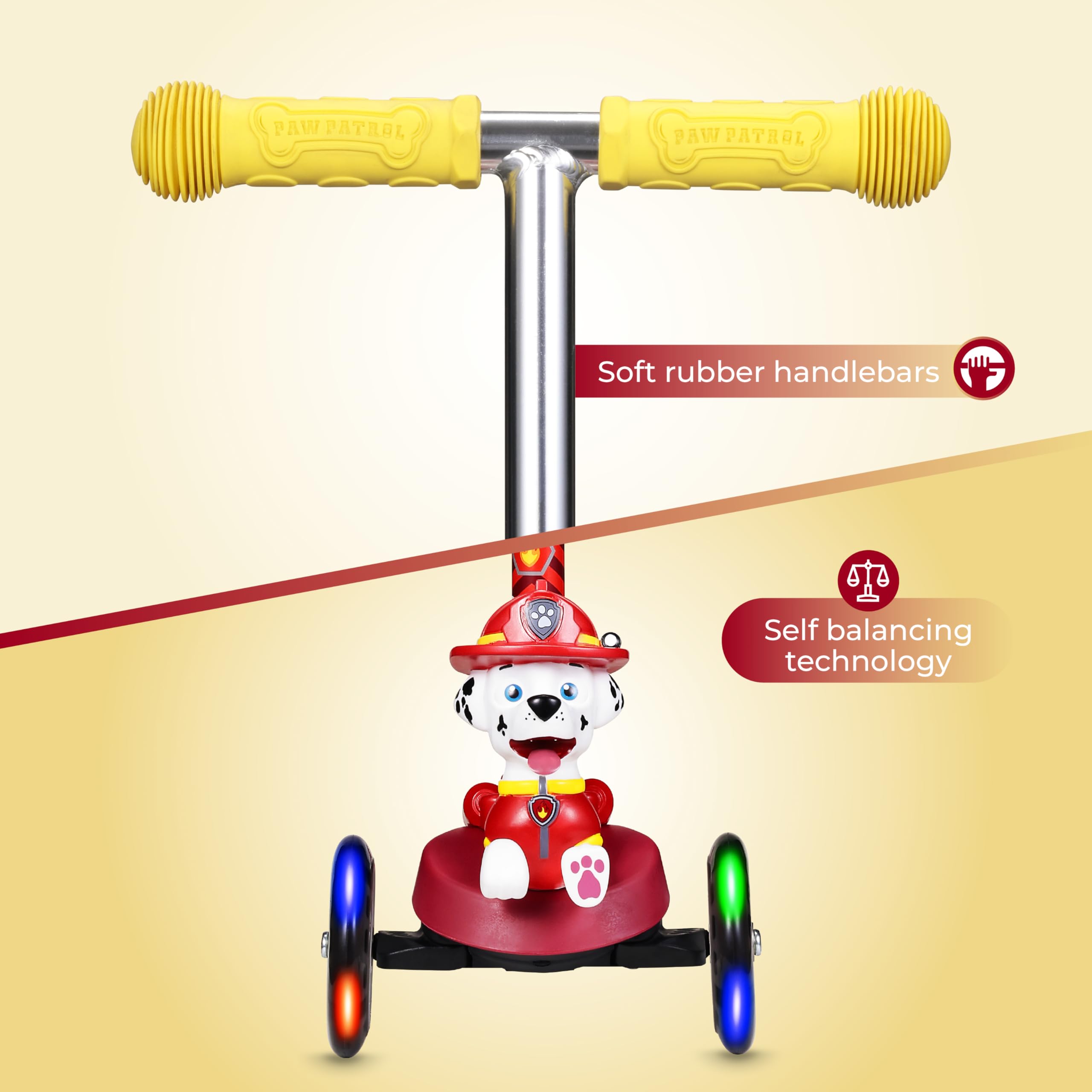
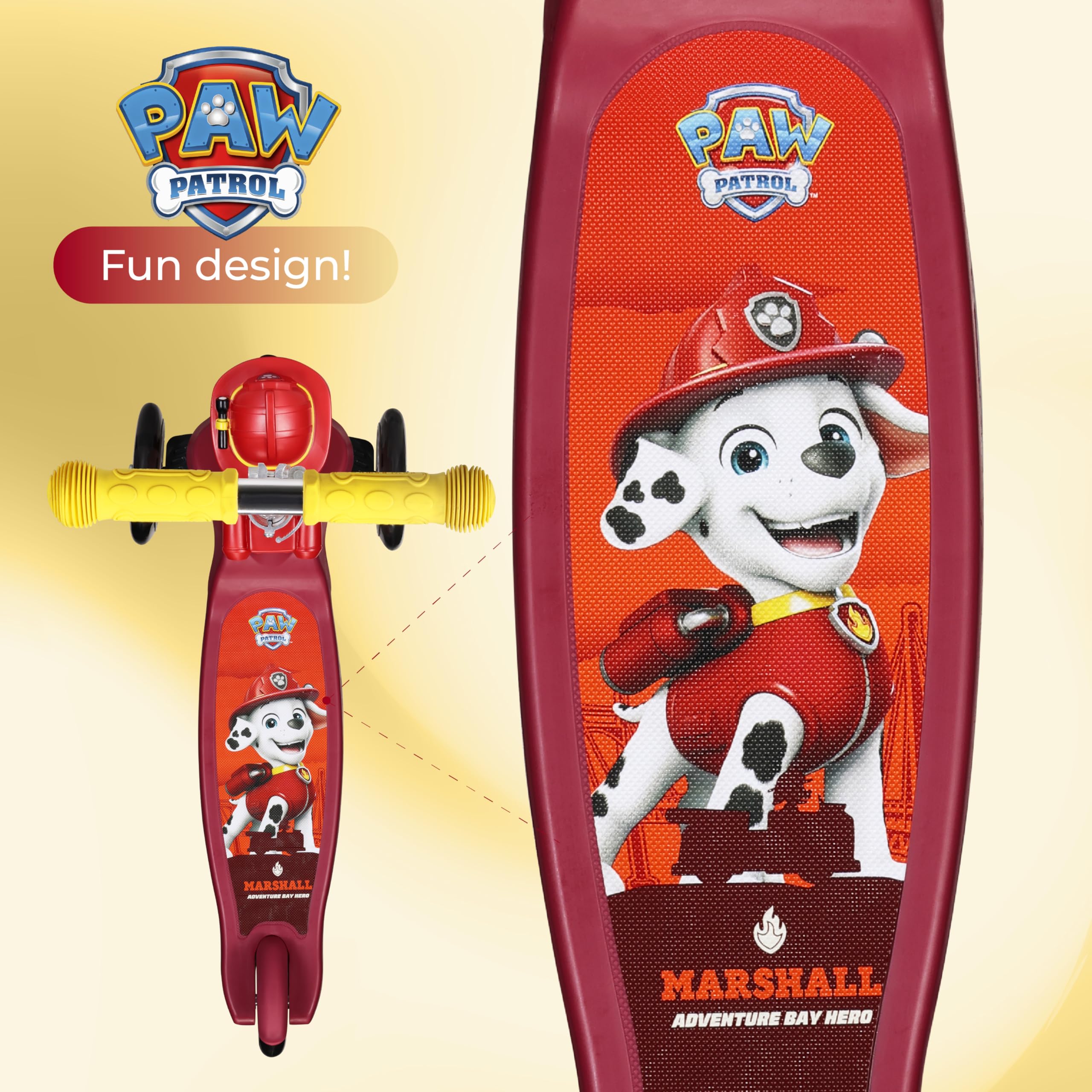
Safety is not an afterthought in the design of the Voyager 3-Wheel Self-Balancing Scooter; it is integrated into every component, from the braking system to the handlebar grips. The rear braking system is a foot-operated fender brake, which is widely regarded as the safest and most intuitive braking method for young children. To activate the brake, the rider simply presses down on the rear fender with their foot. This action applies friction directly to the rear wheel, slowing the scooter to a stop. The foot brake is advantageous for several reasons. First, it does not require the hand strength or fine motor coordination needed to squeeze a hand brake lever. Second, it allows the child to keep both hands on the handlebars for stability while braking. Third, the braking action is gradual and controllable, as the child can modulate the pressure on the fender to slow down gently or stop quickly. The brake is designed to be durable and reliable, with a spring mechanism that returns the fender to its original position after each use. The ergonomic grips are another critical safety feature. They are made from a soft, non-slip material, such as TPR (thermoplastic rubber), which provides a secure hold even if the child’s hands are sweaty or if they are riding in light rain. The grips are contoured to fit the natural curve of a child’s hand, reducing strain and preventing the hands from slipping off during sudden movements. The handlebars themselves are covered with foam padding at the ends, which serves as a cushion in case the scooter tips over or if the child falls against the handlebars. The deck of the scooter is also designed with safety in mind. It has a textured surface, often with a grip tape or molded ridges, to prevent the rider’s feet from slipping off. The deck is wide enough to accommodate both feet comfortably, allowing the child to stand with a stable stance. The overall construction uses materials that meet or exceed safety standards for children’s ride-on toys. The frame is typically made from a combination of high-strength steel and reinforced plastic, ensuring that it can withstand the weight and impact of active use without cracking or bending. The solid wheels are free from pinch points, as they do not have spokes or air valves that could catch fingers or clothing. The LED lights in the wheels are enclosed and powered by a sealed battery unit, eliminating any risk of electrical shock. The lights are activated by motion, so they only illuminate when the scooter is moving, which also helps conserve battery life. The scooter is designed to be used on flat, dry surfaces, and it is not intended for off-road or wet conditions. Parents should always ensure that their child wears appropriate safety gear, including a helmet, knee pads, and elbow pads, when riding. The Voyager scooter’s design inherently reduces many common risks, but adult supervision and protective equipment remain essential for a safe riding experience.
Light-Up LED Wheels: Enhancing Visibility and Play Value
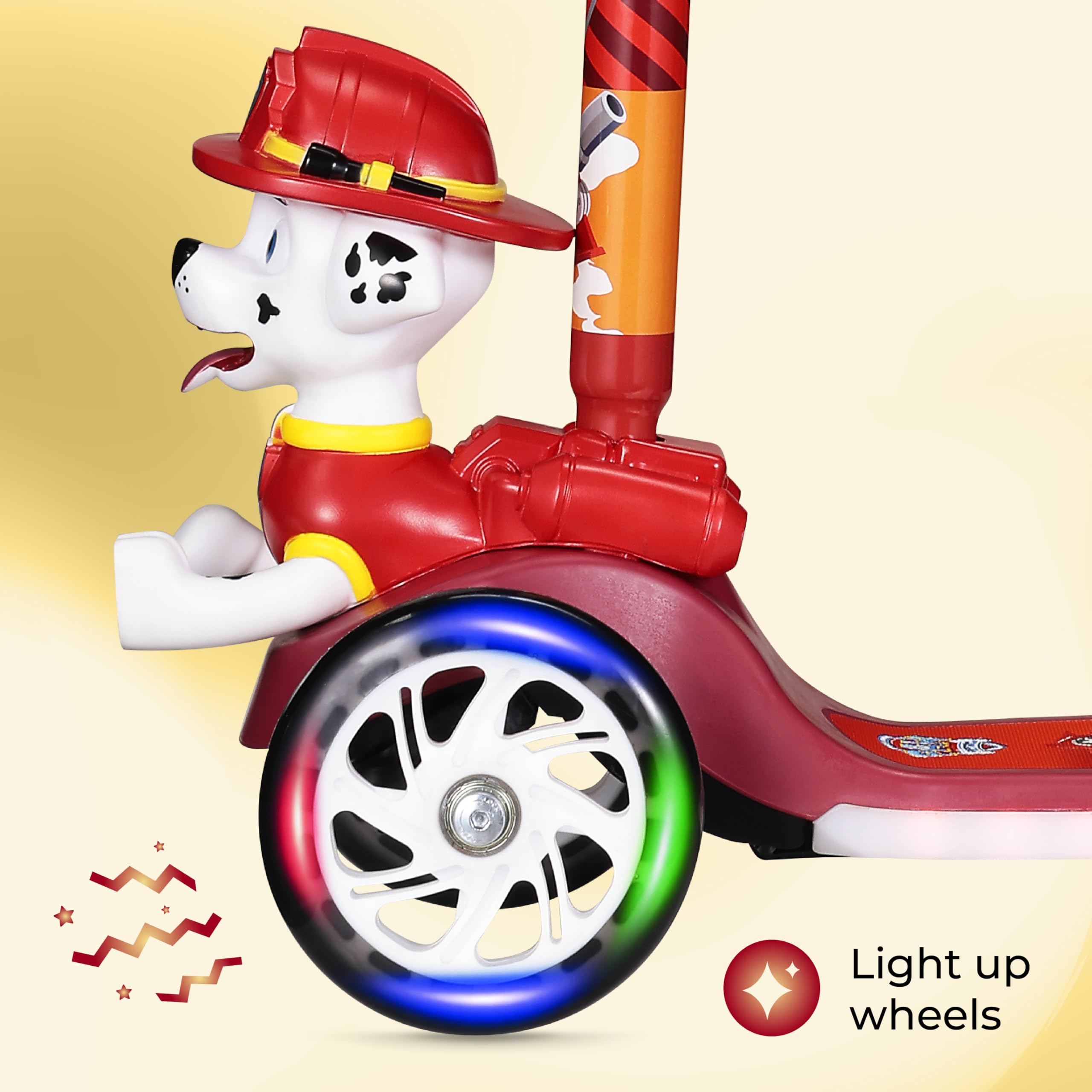
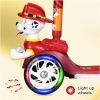
The light-up LED wheels on the Voyager 3-Wheel Self-Balancing Scooter serve a dual purpose: they enhance safety and add an element of fun that aligns perfectly with the Paw Patrol theme. From a practical standpoint, the LED lights make the scooter more visible to others, particularly in low-light conditions such as dusk, dawn, or overcast days. The wheels emit a bright, steady glow as the scooter moves, which can be seen from a distance and from multiple angles. This increased visibility is a valuable safety feature, as it helps drivers, cyclists, and pedestrians notice the child more easily. The lights are powered by a small generator within the wheel hub, which means they do not require batteries to operate. This is a significant advantage because it eliminates the need for battery replacements and ensures that the lights will work as long as the wheels are spinning. The generator system is maintenance-free and designed to last for the lifetime of the scooter. The lights typically come in a variety of colors, such as blue, red, green, or purple, and they may flash or remain steady depending on the speed of the scooter. The specific color and pattern can vary, but they are always bright enough to be effective. From a play perspective, the light-up wheels are a major draw for children. The glowing effect creates a sense of magic and excitement, making the scooter feel like a special vehicle from the Paw Patrol universe. Children often enjoy riding in the evening or in dimly lit areas specifically to see the lights in action. The lights also serve as a visual reward for movement, encouraging children to keep pushing and exploring. The wheels themselves are made from a durable polyurethane material that is resistant to wear and tear. They are designed to roll smoothly on pavement and do not leave marks on most surfaces. The solid construction means they are not prone to punctures or flats, and they do not require any inflation. The LED components are sealed within the wheel, protecting them from dust, dirt, and moisture. While the wheels are not intended for submersion in water, they can withstand light rain and splashes without issue. The light-up feature is a thoughtful addition that combines practical safety benefits with the playful aesthetic that children love. It transforms a simple scooter ride into a multisensory experience, reinforcing the joy of movement and the appeal of the Paw Patrol brand.
Age Appropriateness and Weight Capacity: Matching the Scooter to Your Child’s Development
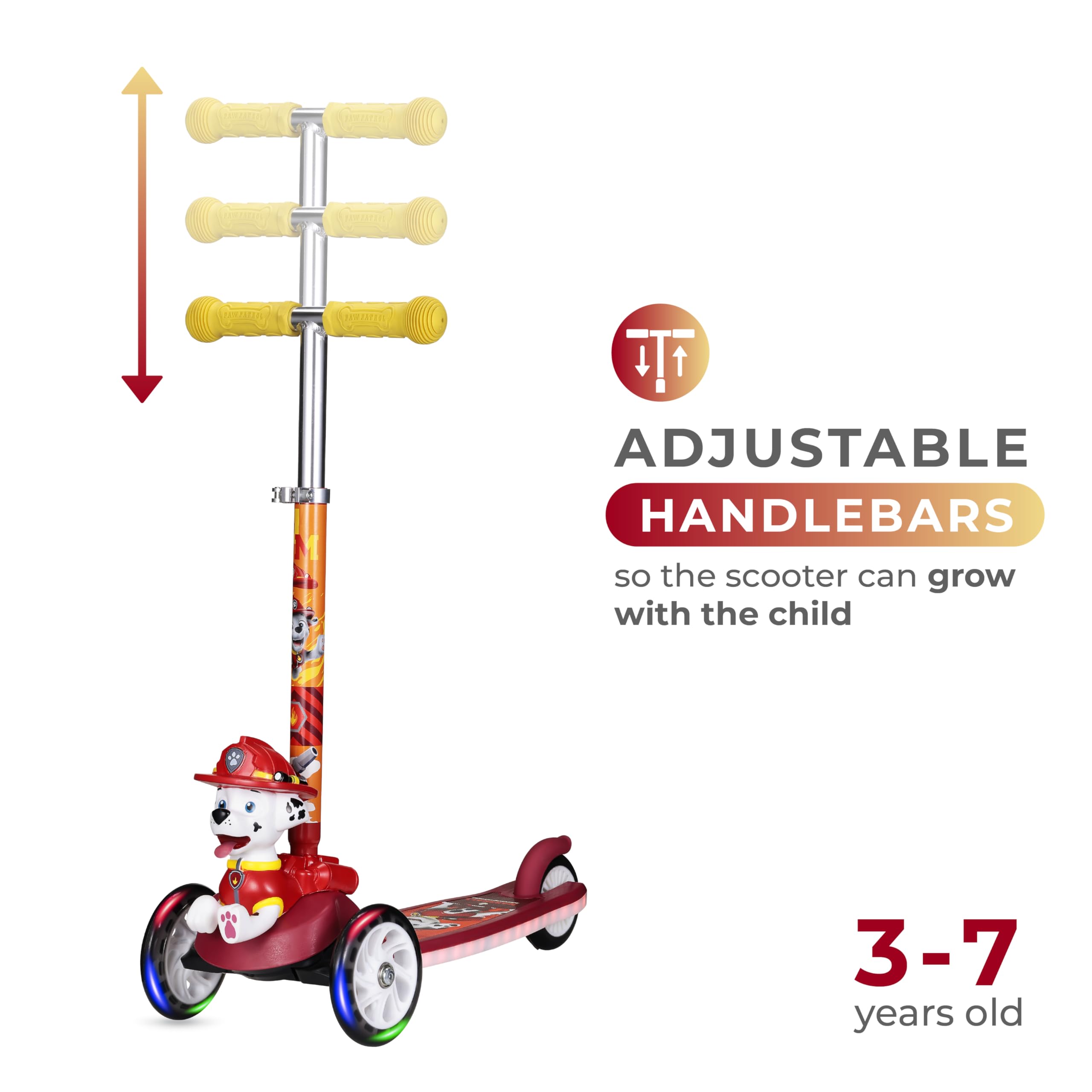
Understanding the age and weight specifications of the Voyager 3-Wheel Self-Balancing Scooter is essential for ensuring a safe and enjoyable experience. The scooter is designed for children aged 2 to 8 years, a range that covers the critical developmental period when children are learning to balance, coordinate, and control their movements. For a 2-year-old, the scooter provides a stable platform that allows them to simply sit or stand while an adult pushes them, gradually introducing the concept of riding. As they grow, they can begin to push off with their feet and steer independently. By age 4 or 5, most children will have developed the coordination to ride confidently, using the lean-to-steer mechanism and foot brake effectively. The scooter remains suitable up to age 8, as the weight capacity of 75 pounds accommodates most children within this age range. The 75-pound maximum weight capacity is a key specification that parents should verify. This limit is based on the structural integrity of the frame, wheels, and braking system. Exceeding this weight could compromise the scooter’s stability and safety. The scooter’s deck height and handlebar height are also calibrated for this age group. The deck is low enough for a toddler to step onto easily, yet the handlebars are tall enough for an older child to stand comfortably without hunching over. The handlebars are fixed, meaning they are not adjustable, but the height is set to an optimal level for the intended age range. For reference, the handlebars are typically around 24 to 28 inches from the ground, which suits children with a standing height of approximately 35 to 50 inches. The scooter’s overall weight is light enough for a child to carry short distances, but sturdy enough to withstand the rigors of daily use. The three-wheel design is particularly beneficial for younger children who have not yet developed the balance for a two-wheeled scooter. It allows them to focus on steering and braking without worrying about tipping over. As they gain experience, they will naturally develop the skills needed to transition to a two-wheeled scooter in the future. The Voyager scooter is not intended for use by adults or for children who exceed the weight limit. It is a dedicated children’s product, and its components are sized and rated accordingly. Parents should also consider the child’s physical development, such as their ability to stand steadily and follow simple instructions, when determining readiness. The scooter is a tool for building confidence and motor skills, and it is most effective when introduced at the appropriate developmental stage. The combination of a low weight capacity, stable design, and age-appropriate handlebar height makes this scooter a well-matched choice for the 2 to 8 age demographic.
Durability and Maintenance: Solid Wheels, Fixed Handlebars, and Long-Term Use
The Voyager 3-Wheel Self-Balancing Scooter is built for longevity, with a focus on low maintenance and robust construction. The solid wheels are a standout feature in terms of durability. Unlike pneumatic tires that require regular inflation and are susceptible to punctures from sharp objects like glass or thorns, solid wheels are made from a single piece of durable material, typically polyurethane or a similar elastomer. This material is resistant to wear, cuts, and abrasions, ensuring that the wheels will maintain their shape and rolling characteristics over time. The solid wheels also eliminate the need for inner tubes or tire patches, simplifying maintenance considerably. The fixed handlebar design further contributes to the scooter’s durability. Folding handlebars, while convenient for storage, introduce potential weak points where the joint can loosen or break over time. The fixed handlebar on this scooter is a single, continuous piece that is securely attached to the steering column. This design eliminates moving parts that could wear out or fail, resulting in a more reliable steering system. The handlebars are also reinforced at the connection points to withstand the forces of steering and leaning. The frame of the scooter is constructed from a combination of high-strength steel and impact-resistant plastic. The steel components, such as the steering column and the deck support, provide structural rigidity, while the plastic components, such as the deck and wheel guards, are lightweight and resistant to cracking. The entire assembly is designed to withstand the bumps and drops that are inevitable with children’s use. The rear braking system is also built for durability. The brake fender is made from a sturdy plastic or metal that can withstand repeated pressure without bending or breaking. The spring mechanism that returns the fender to its position is enclosed and protected from dirt and debris. The LED lights in the wheels are sealed units that require no maintenance. The generator that powers them is a simple, robust mechanism that does not have any user-serviceable parts. The lights will continue to function as long as the wheels spin, and they are designed to last for the life of the scooter. To keep the scooter in optimal condition, parents should perform occasional checks. Inspect the wheels for any signs of excessive wear or debris lodged in the bearings. Ensure that the handlebars are securely attached and that there is no play in the steering column. Check the brake fender to confirm that it returns to its original position after being pressed. Clean the scooter with a damp cloth to remove dirt and grime, and store it in a dry place when not in use. The scooter is not designed for exposure to extreme weather conditions, so storing it indoors or in a covered area will prolong its life. The overall build quality of the Voyager scooter is such that it can be passed down from one child to another, provided it is used within its specified weight and age limits. The combination of solid wheels, a fixed handlebar, and a robust frame makes this scooter a low-maintenance, long-lasting investment in your child’s active play.