What This Sticker Pack Is and Who It’s For
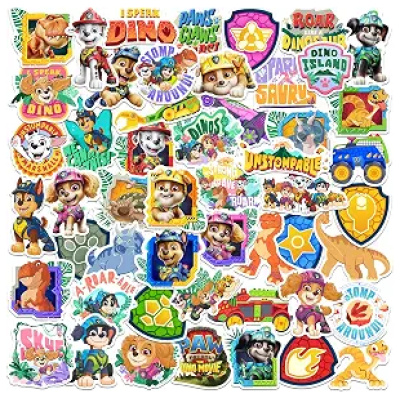
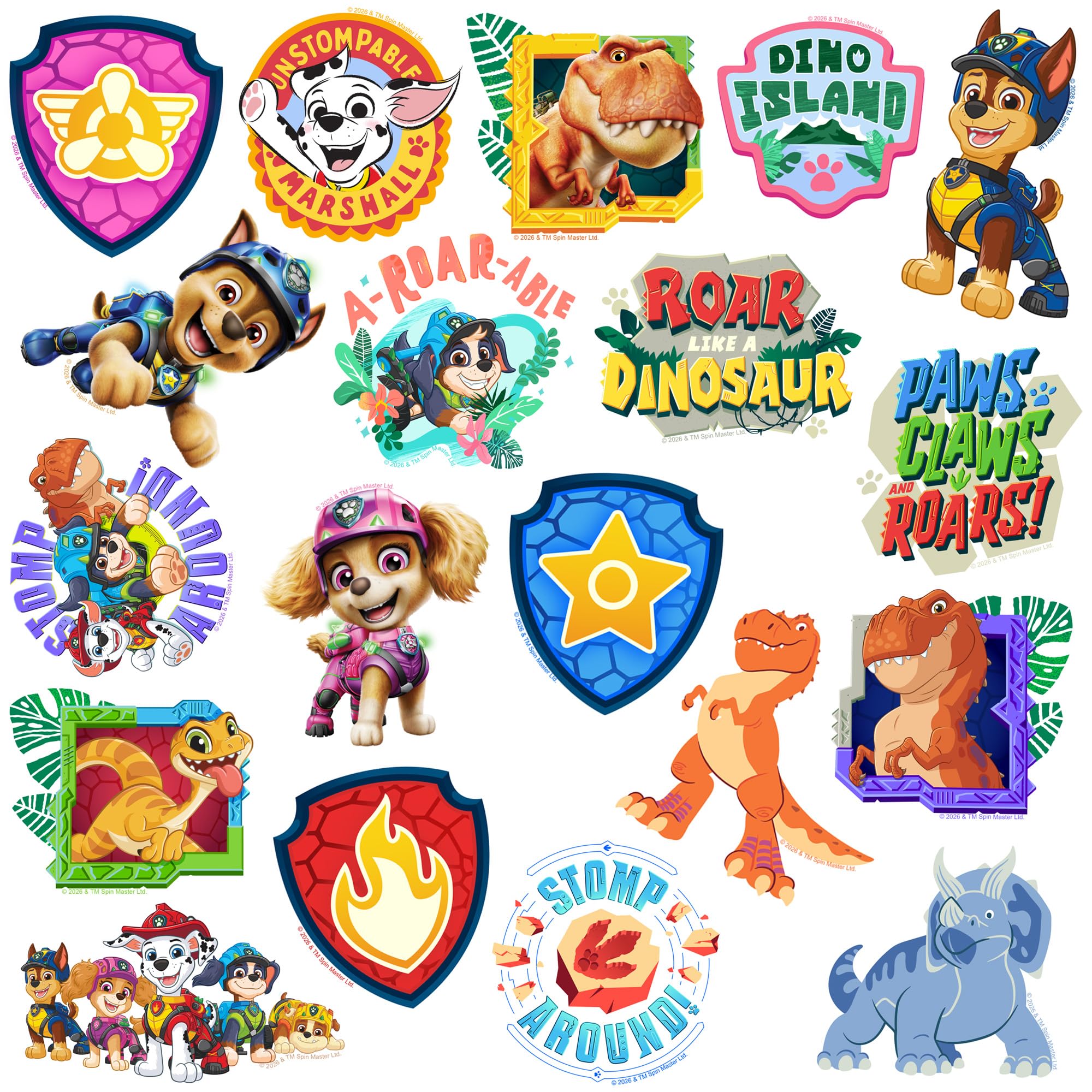
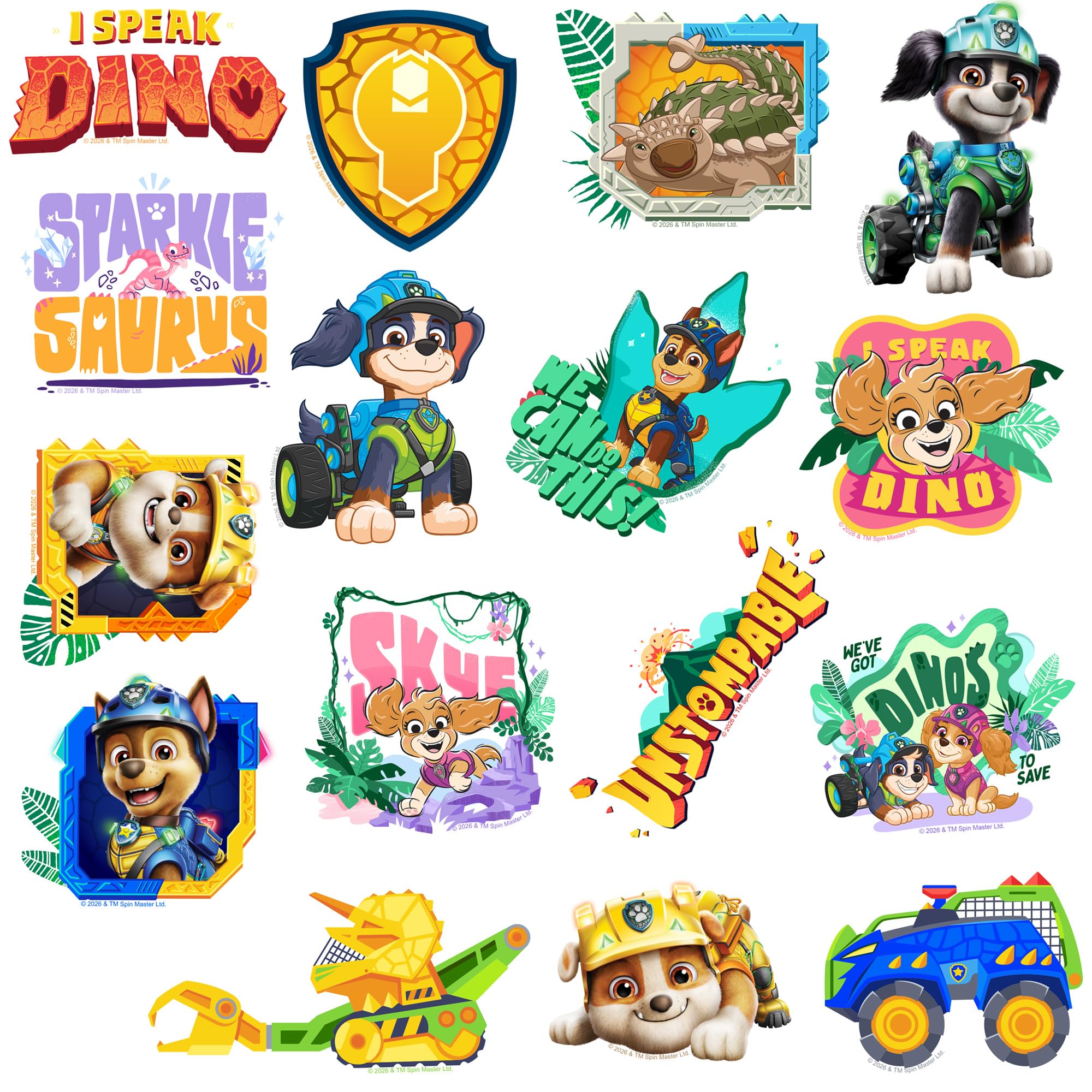
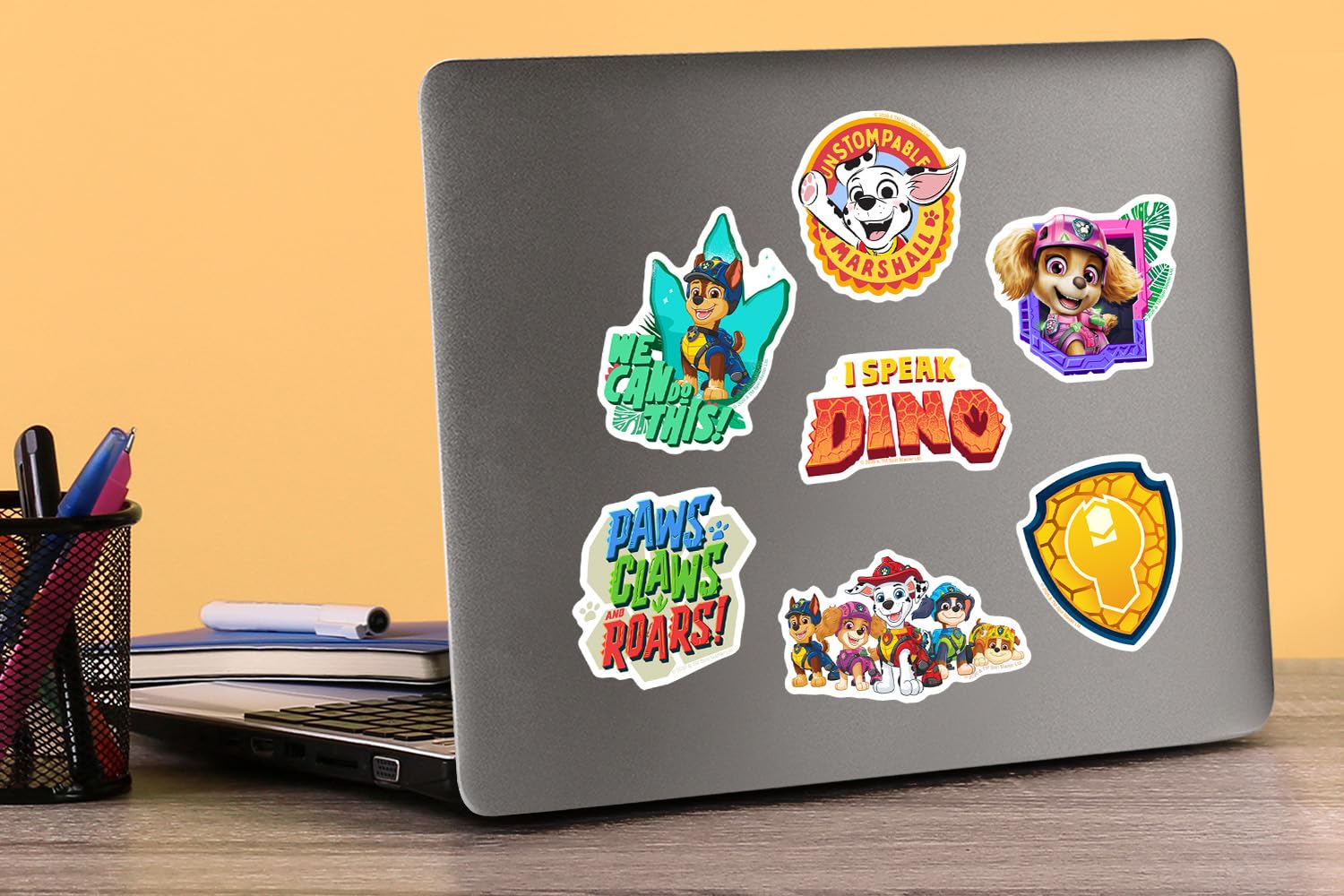
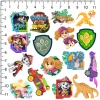
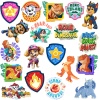
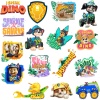
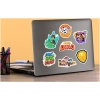
This is a 50-piece vinyl sticker set featuring the PAW Patrol pups in their Dino Movie adventure. Each sheet arrives with die-cut decals ready to peel and place, sized for the surfaces kids actually decorate: water bottles, laptop lids, notebook covers, scooter decks, bedroom doors and lunch boxes. There is no assembly, no supervision required for setup, and nothing to lose in a carpet, just a stack of stickers and a child with a plan.
The set is aimed at kids roughly 3 to 8 years old, which covers the sweet spot where PAW Patrol is still a daily favorite and fine motor skills are strong enough to peel a backing sheet independently. Younger children in that range may want help lifting the first corner; by five or six, most kids handle the whole process themselves. For parents, this lands in the category of low-cost, high-mileage: something to hand over on a rainy afternoon, tuck into a party favor bag, pack for a long car ride, or use as a small reward that isn’t candy and isn’t another plastic toy needing a home.
It also works well as a gift add-on. If you’re already giving a bigger PAW Patrol item, a plush, a vehicle, a backpack, a sticker pack rounds it out without pushing the occasion into excess. Fifty pieces means there’s enough to share between siblings or classmates without anyone feeling shorted.
Design, Characters and What’s on the Sheets
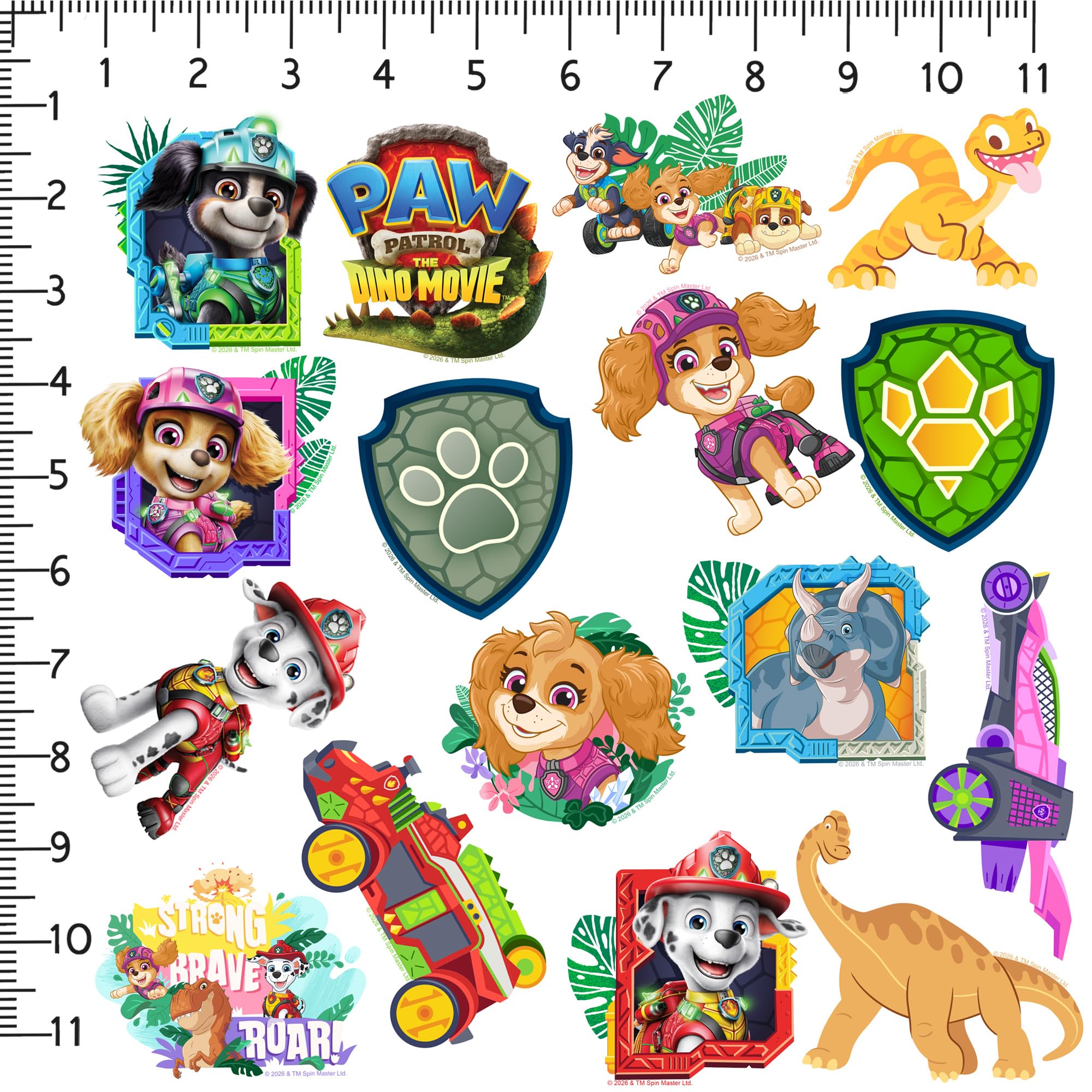
The artwork draws from PAW Patrol: The Dino Movie, so alongside the core team you’ll see the dinosaur-era elements that define this chapter of the story. Chase, Marshall, Skye, Rubble, Rocky and Zuma appear in their movie looks, joined by the film’s dino-world additions, Rex and his prehistoric companions Timmy and Rhubarb among them. Ryder shows up too, as do assorted vehicles, badges, pup tags, paw prints and dinosaur silhouettes that fill out the set.
Because the decals are die-cut, each sticker follows the outline of the character or object rather than sitting inside a square border. A Skye sticker is Skye-shaped, wings and all; a dinosaur footprint is a footprint. That matters more than it sounds, kids can cluster stickers tightly, overlap them, and build a scene on a laptop lid without a grid of white rectangles interrupting the look. It also makes the finished result look intentional rather than cluttered, which tends to matter to the adult who owns the laptop.
Sizes vary across the 50 pieces. Larger character decals anchor a surface, while smaller badges, paw prints and accents fill gaps and edges. That mix is deliberate: it gives a child something to arrange rather than simply apply. Colors are printed in the bright, saturated palette the show uses, so the decals read clearly from across a room and hold their punch against both dark and light backgrounds.
How Kids Actually Use Them
The obvious use is decoration, and most kids start there, covering a water bottle for school, claiming a tablet case, marking a bike helmet so it’s recognizable at the park. But sticker play tends to expand past the first surface. Children sort by character, trade duplicates with siblings, and negotiate placement with a seriousness usually reserved for larger decisions. Some kids build a story across a notebook cover, arranging pups and dinosaurs into a scene and narrating what’s happening.
Practically, stickers earn their keep as portable quiet activity. A sheet fits in a glove compartment, a diaper bag or a carry-on. On a flight or in a waiting room, handing over a few stickers and a blank notebook buys a genuine stretch of focused attention with no batteries, no sound and no screen. Teachers and caregivers use them the same way, as a reward chart currency, a name-tag decoration, or a craft supply for collage and card-making.
They’re also useful for labeling. Put a distinctive decal on a lunch box, a cubby bin, a folder or a pair of boots, and a pre-reader can identify their own belongings by sight. Parents of twins or of kids in shared classrooms tend to find this more valuable than the decoration itself.
One more note on play value: because there are 50 pieces, the set doesn’t need to be used all at once. Many families hand out a handful at a time, which stretches the pack across weeks and keeps it from becoming a single afternoon’s project.
Materials, Durability and Age Guidance
The decals are printed on vinyl rather than paper, which is the meaningful difference in this category. Vinyl stickers resist water, so a decorated water bottle survives a dishwasher-free rinse, condensation on a hot day, and the usual round of spills. They don’t pucker, tear or go translucent when they get damp the way paper stickers do. On smooth, non-porous surfaces, glass, metal, hard plastic, painted wood, laptop shells, they adhere firmly and stay put through regular handling.
A few honest limits are worth knowing. Adhesion is weaker on textured, fabric, silicone or heavily rubberized surfaces, so a soft-touch phone case or a mesh backpack panel isn’t an ideal target. Waterproof means the sticker itself won’t be ruined by water; it doesn’t mean the pack is rated for a dishwasher’s heat cycle or for prolonged submersion. Hand-washing a decorated bottle will preserve the artwork considerably longer. On painted walls or finished furniture, test one sticker in an inconspicuous spot first, removal can lift paint or leave residue depending on the finish and how long the decal has been in place.
On safety: these are small die-cut pieces on a backing sheet and are not suitable for children under 3, who may put them in their mouths. Supervision is sensible for younger children in the recommended range, particularly around the backing paper. Stickers are decorative items rather than toys in the regulated sense, so treat them accordingly, applied to surfaces, not to skin. If your child has sensitive skin, keep the decals off their arms and hands, as the adhesive isn’t formulated as a body-safe product.
Stored flat and out of direct sun, the unused sheets keep their tack indefinitely. Applied decals hold their color well indoors; like most printed vinyl, sustained outdoor sun exposure will fade them over months, so a bike helmet will show wear sooner than a laptop lid.
Why It Fits the PAW Patrol World
PAW Patrol has always run on recognition, a child knows which pup is which before they can read a name, because each one has a color, a vehicle, a job and a catchphrase. That design makes the franchise unusually well-suited to stickers. A decal doesn’t need to move or speak to work; the silhouette of Chase’s police cap or Skye’s flight goggles does the storytelling on its own.
The Dino Movie extends that logic into new territory. Putting the pups in a prehistoric setting adds a second layer of familiar imagery, dinosaurs, that kids in this age range are frequently already invested in. For a lot of families, the Venn diagram of “loves PAW Patrol” and “loves dinosaurs” is a single circle, and this set sits directly inside it. Children who came to the franchise through the film will recognize the dino-world characters; children who’ve watched the series for years will spot the core team in new gear.
There’s also continuity with how the show is built. PAW Patrol stories are about small teams solving practical problems, and the merchandise that works best tends to be the kind kids can put to use rather than just look at. A sticker pack fits that pattern, it turns an ordinary object into something the child has decided about. The water bottle becomes their water bottle. That sense of ownership is a modest thing, but it’s consistent with what makes the franchise land with this age group in the first place.