Chase’s Patrol Cruiser: A Closer Look at the Design and Build
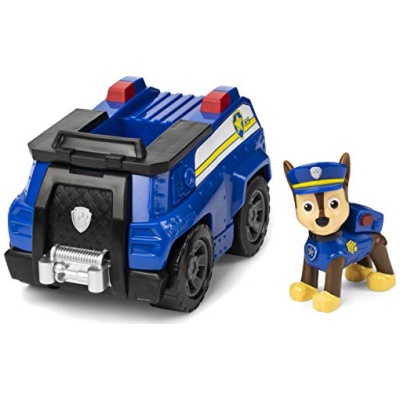
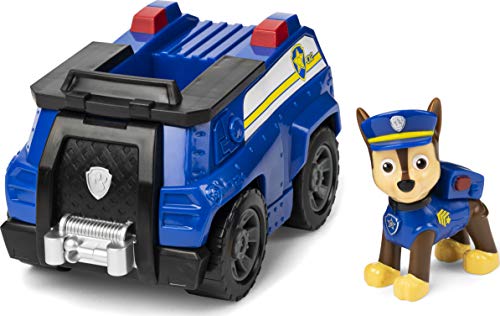
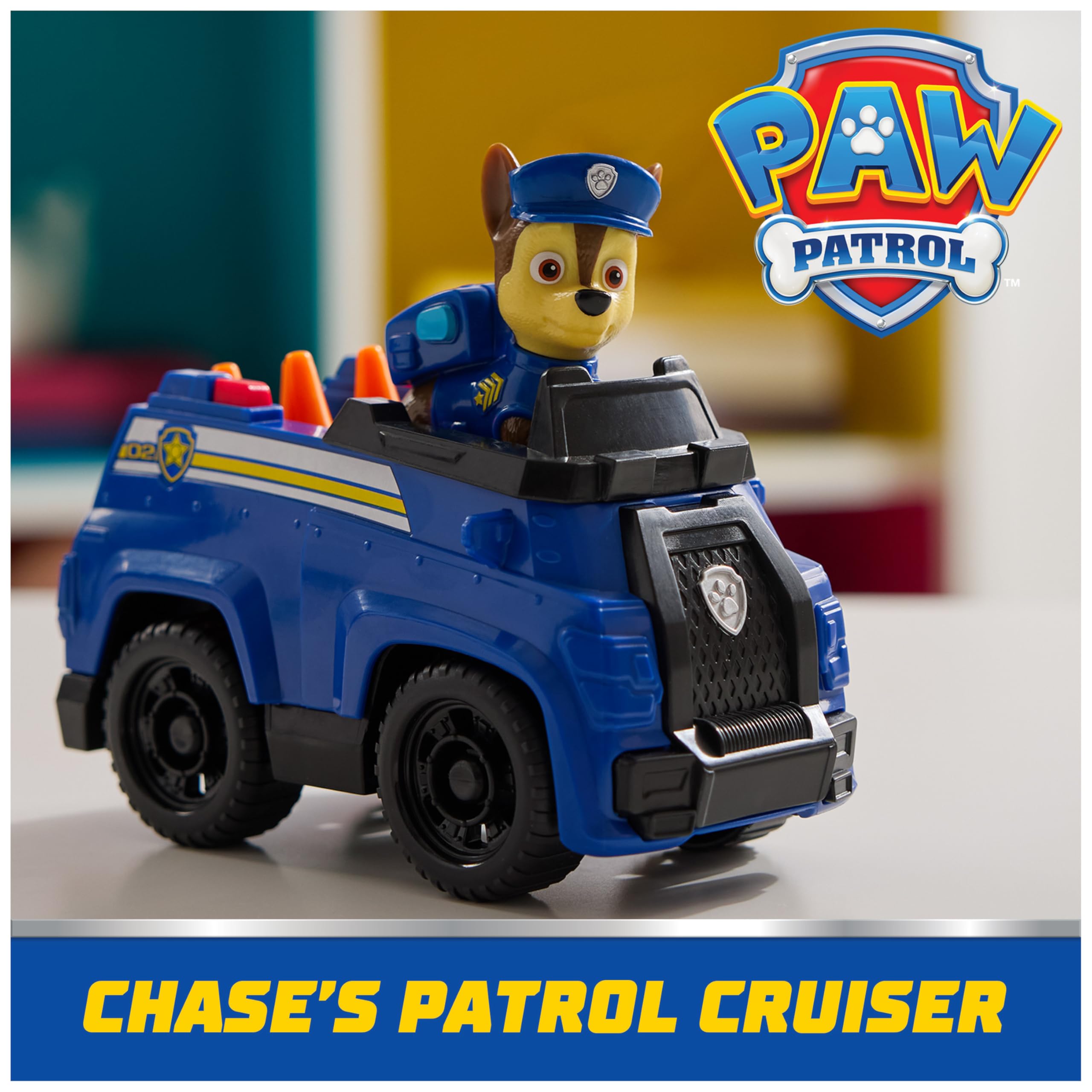
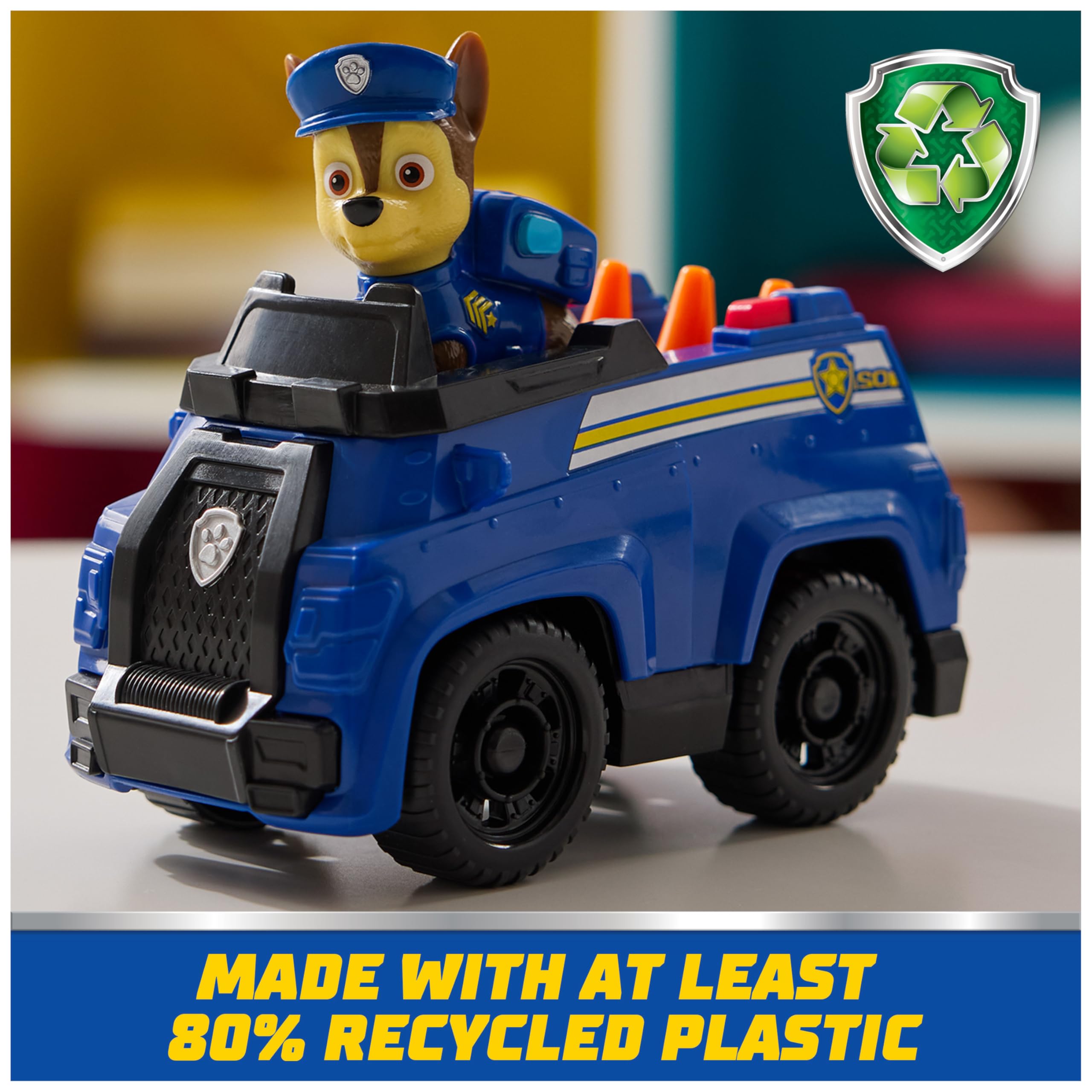
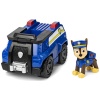
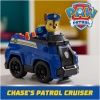
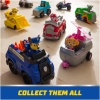
When you first encounter the Chase’s Patrol Cruiser from Spin Master, the immediate impression is one of purposeful construction. This is not a flimsy, hollow toy; it is a die-cast metal and plastic hybrid that feels substantial in the hand. The vehicle measures approximately 6 inches in length, a scale that fits comfortably in a preschooler’s grip while still offering enough detail to satisfy a young Paw Patrol enthusiast. The cruiser is molded in Chase’s signature blue, with black side panels and a clear plastic windshield that allows a view of the interior cabin. The iconic Paw Patrol logo is printed on the doors, and the light bar on the roof is a separate, transparent blue piece that catches light nicely.
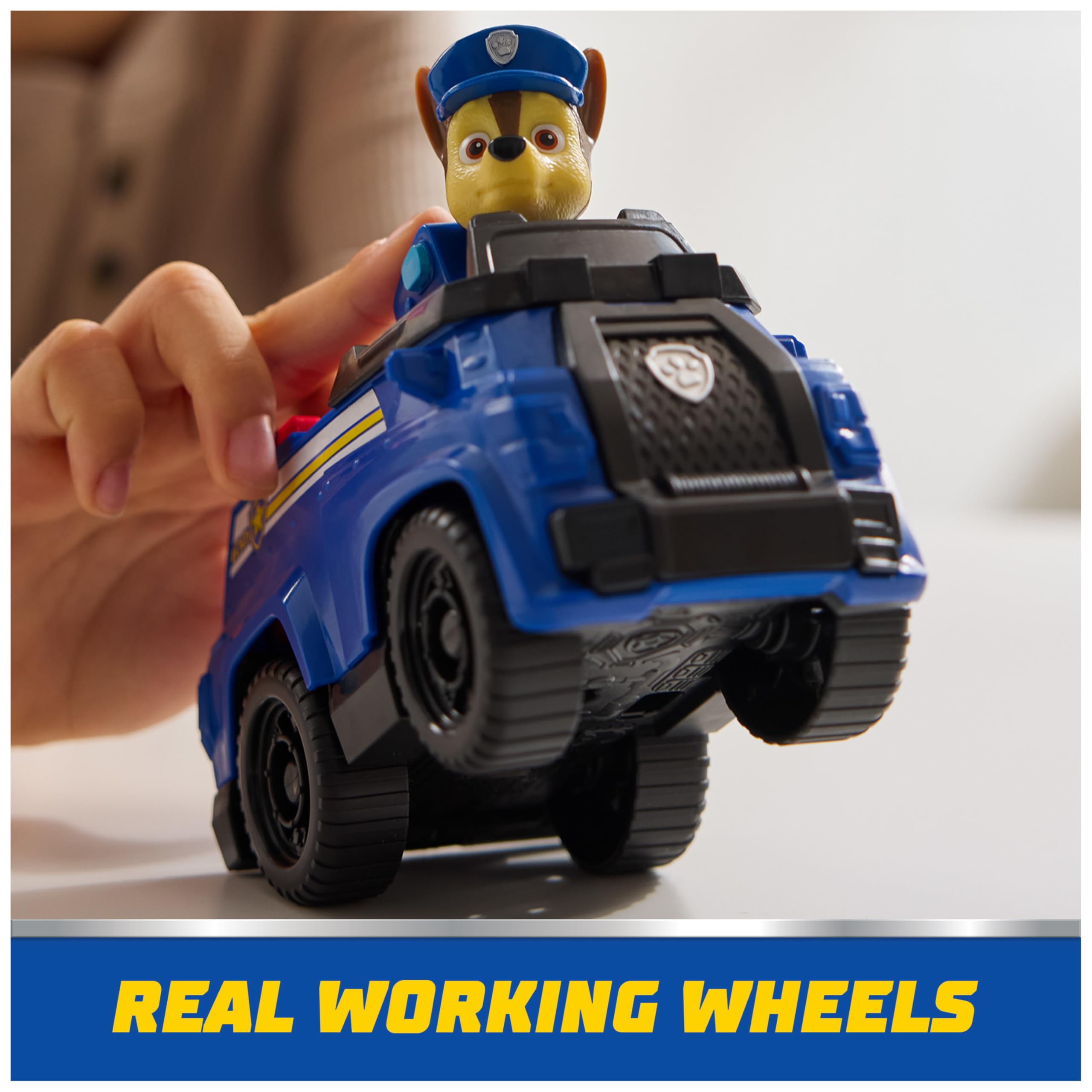
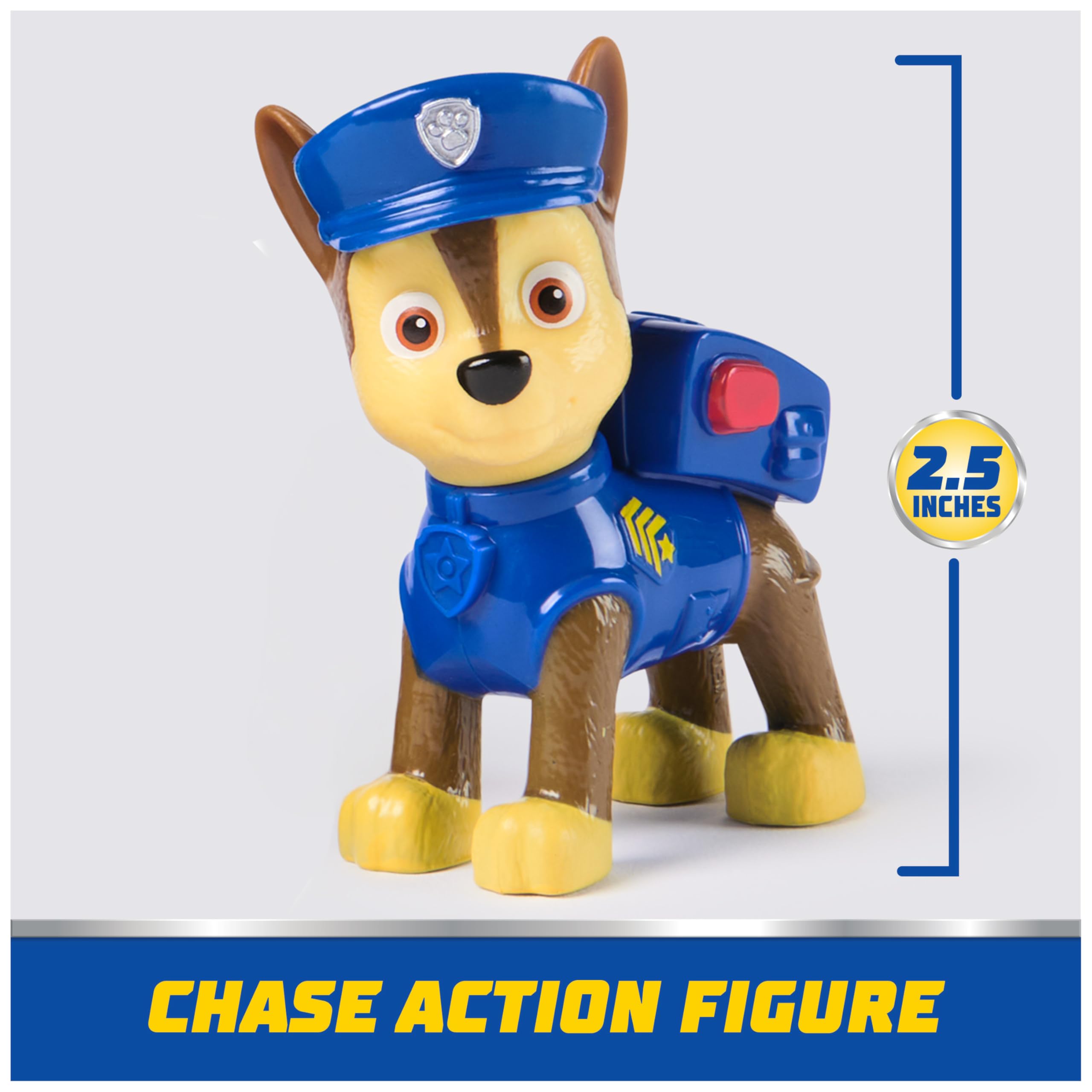
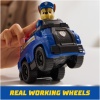
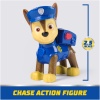
The included Chase action figure stands about 2 inches tall and is made from a flexible, slightly rubbery plastic. This material choice is deliberate: it allows the figure to be inserted into the vehicle’s driver seat with a satisfying click, and it also withstands the inevitable drops and rough handling that come with active play. The figure is painted with Chase’s police hat, badge, and his signature blue uniform, with detailed eyes and a friendly expression. The cruiser’s wheels are free-rolling and made from hard plastic, designed to glide across carpet, hardwood, or tile without catching. The underside reveals a simple axle system, which is easy to clean if the toy ventures outdoors. Notably, the vehicle requires no assembly, it arrives ready for immediate play, with the figure packaged separately in a small plastic tray within the box.
The construction emphasizes durability over complexity. There are no small, breakable parts like mirrors or antennas that might snap off during enthusiastic play. Instead, the design focuses on a solid, one-piece body with a removable roof section that opens to reveal the cockpit. This roof piece is held in place by small tabs and can be lifted by a child’s fingers without excessive force. The figure fits snugly into the seat, and the roof clicks back into place securely. This mechanism is straightforward enough for a three-year-old to master, yet robust enough to survive repeated use. The materials used are consistent with Spin Master’s commitment to sustainability, the packaging and certain plastic components incorporate recycled content, though the toy itself maintains the quality standards expected from a major brand.
In terms of weight, the cruiser balances well. It is heavy enough to feel like a real toy, not a cheap promotional item, but light enough that a young child can push it around for extended periods without fatigue. The paint application is precise, with clean lines and no overspray on the test units we examined. The blue color is consistent across the body, and the black wheels have a subtle tread pattern that adds visual interest without affecting rolling performance. Overall, the build quality reflects Spin Master’s experience in producing preschool toys that endure the rigors of daily play while maintaining a polished appearance.
How the Cruiser Integrates with the Paw Patrol Play Universe
The Chase’s Patrol Cruiser is not an isolated toy; it is designed as a component of the larger Paw Patrol vehicle and figure ecosystem. This means that the 2-inch Chase figure included with this set is compatible with other vehicles in the Paw Patrol line, such as the PAW Patroller, the Sea Patroller, or the Lookout Tower playsets. The figure’s peg on the bottom fits standard Paw Patrol vehicle seats, allowing children to swap figures between different vehicles. This interoperability is a key feature for parents who already own other Paw Patrol toys, as it extends the play value without requiring a complete new system.
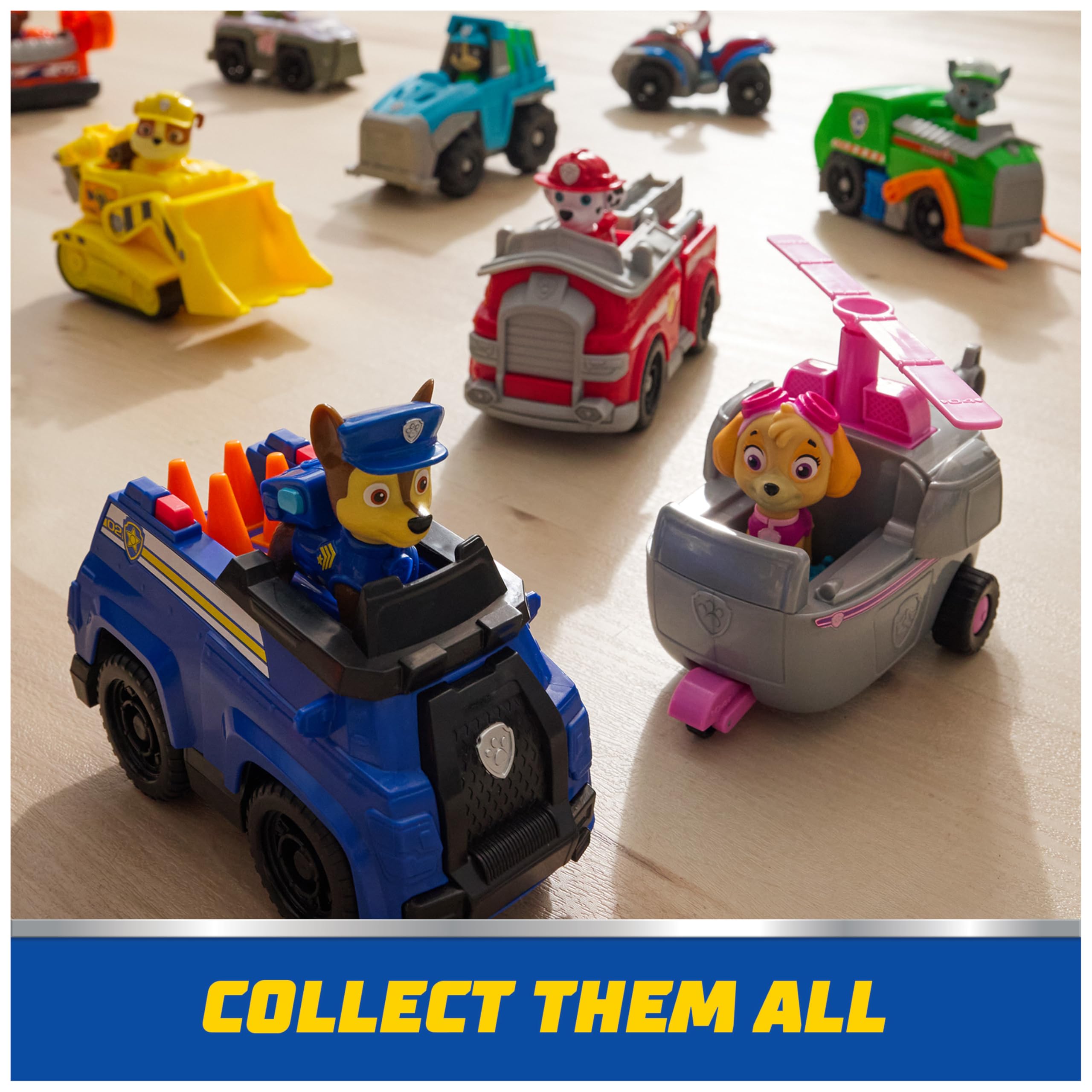
The cruiser itself is scaled to work alongside other vehicles from the same series. For example, it can be parked next to Marshall’s Fire Truck or Skye’s Helicopter without looking disproportionately large or small. The wheelbase and turning radius are designed for smooth maneuvering on flat surfaces, and the vehicle can be pushed through doorways or under furniture with ease. The light bar on the roof is a visual cue that this is a police vehicle, but it does not light up or make sounds, this is a deliberate choice to keep the toy simple and battery-free, reducing potential frustration for parents and children alike.
For children who enjoy narrative play, the cruiser serves as a mobile command center for Chase’s missions. The removable roof allows kids to place Chase in the driver’s seat, then close the roof to “drive” to a rescue. The figure can also be removed to stand alongside the vehicle, creating scenes where Chase is directing traffic or investigating a clue. The cruiser’s size makes it easy to transport in a backpack or toy bin, and it fits into the Paw Patrol Adventure City playset if you have that larger structure. The design language, blue color scheme, police decals, and sleek profile, matches the on-screen vehicle from the show, which helps maintain continuity for children who are familiar with the episodes.
Parents should note that the cruiser does not have any storage compartments or hidden features. It is a straightforward push-along vehicle with a removable roof and a figure. This simplicity is intentional for the target age group, as it encourages imaginative play without overwhelming a preschooler with too many mechanical parts. The figure’s arms are fixed in a neutral position, but the legs are slightly splayed to fit into the vehicle seat. This design choice means the figure cannot hold accessories, but it also means there are no small, loose pieces to lose. The cruiser is a self-contained playset that works best when combined with other Paw Patrol toys, but it also stands alone as a single-vehicle toy for focused play sessions.
Play Patterns and Developmental Benefits for Preschoolers
Observing a child interact with the Chase’s Patrol Cruiser reveals several developmental advantages that go beyond simple entertainment. For a three-year-old, the act of opening the roof, placing the figure inside, and closing it again exercises fine motor skills. The precision required to align the figure’s peg with the seat hole and to snap the roof into place strengthens hand-eye coordination and finger dexterity. These are foundational skills that support later tasks like writing, buttoning clothes, or using utensils. The vehicle’s free-rolling wheels encourage gross motor movement as children push it across the floor, crawl after it, or stand to chase it. This combination of fine and gross motor engagement is valuable for physical development at this age.
From a cognitive perspective, the cruiser supports narrative thinking and sequencing. Children naturally create stories around Chase’s missions: he might be responding to a call from Ryder, chasing a runaway kitten, or patrolling Adventure Bay. This type of pretend play requires planning, memory of show episodes, and the ability to sequence events (first the call, then the drive, then the rescue). For children aged 3 to 5, this kind of imaginative play is crucial for developing language skills, as they often narrate their actions aloud or engage in dialogue between characters. The simple design of the cruiser, no buttons, no lights, no sounds, forces children to supply the action and sound effects themselves, which is more cognitively demanding than pressing a button that produces a pre-recorded siren.
Socially, the cruiser can be a tool for cooperative play. Two children can each have a Paw Patrol vehicle and create joint rescue scenarios, negotiating roles and sharing space. The figure’s compatibility with other vehicles means that a child with the cruiser can interact with a sibling’s Marshall or Rubble toy, fostering turn-taking and collaboration. The toy’s durability also supports group play, as it can withstand being passed between hands or used in rough-and-tumble games. For an only child, the cruiser serves as a solo play companion, but it also invites interaction with parents or caregivers who can join in the narrative.
Emotionally, the familiar character of Chase provides comfort and security. Many young children form attachments to favorite Paw Patrol characters, and having a tangible representation of that character can help with emotional regulation. The act of “driving” Chase to a rescue can be a way for a child to process feelings of bravery or fear, as they project onto the character. The cruiser’s lack of complex features means there is no frustration from broken parts or confusing instructions, which supports a positive play experience. Parents report that this type of open-ended toy often becomes a go-to item for quiet time or for calming down after a busy day, precisely because it is predictable and manageable.
Material Composition and Sustainability Considerations
Spin Master has incorporated sustainability into the production of the Chase’s Patrol Cruiser, though it is important to understand what this means in practical terms. The packaging is made from recyclable materials, and the plastic components in the toy itself include a percentage of recycled content. Specifically, the vehicle body and the figure are produced using a blend of virgin and recycled plastics, which reduces the demand for new petroleum-based materials. The exact percentage varies by production batch, but Spin Master has publicly committed to increasing recycled content across their toy lines. The die-cast metal parts, such as the chassis and wheel axles, are made from zinc alloy, which is highly durable and can be recycled at the end of the toy’s life.
The paint used on the cruiser and figure is water-based and free from phthalates and lead, meeting or exceeding ASTM F963 safety standards for toys in the United States. This is a critical consideration for parents who are concerned about chemicals in children’s products. The plastic is BPA-free, and the materials have been tested for durability and safety by independent laboratories. The toy carries the CE mark for European markets and meets CPSIA requirements for the US market. These certifications provide assurance that the product has been evaluated for choking hazards, sharp edges, and toxic substances.
From a longevity perspective, the construction materials are chosen to withstand years of play. The die-cast metal chassis is resistant to cracking, and the plastic body is impact-resistant. The figure’s rubbery material is less likely to crack or break than hard plastic, and it can be cleaned with a damp cloth. The wheels are attached with metal axles that are crimped in place, so they do not fall off easily. This durability means the toy is less likely to end up in a landfill prematurely, which is an indirect sustainability benefit. Additionally, the toy’s compatibility with other Paw Patrol vehicles means it can be passed down to younger siblings or donated, extending its useful life.
Parents should be aware that the toy is not biodegradable, and the recycled content does not make it compostable. However, the use of recycled materials reduces the carbon footprint of manufacturing compared to using all-virgin plastics. Spin Master also offers a take-back program in some regions, where old toys can be returned for recycling, though this is not yet universal. For environmentally conscious families, the cruiser represents a step in the right direction within the toy industry, but it is not a fully sustainable product. The primary environmental impact remains the manufacturing process and the eventual disposal, but the toy’s durability and compatibility mitigate some of these concerns.
Practical Considerations for Parents: Storage, Cleaning, and Durability
Integrating the Chase’s Patrol Cruiser into a household with young children requires some practical forethought. The toy is compact enough to store in a toy bin, drawer, or on a shelf, measuring roughly 6 inches long by 3 inches wide by 4 inches tall. The figure can be stored inside the vehicle with the roof closed, which prevents it from getting lost. This self-contained storage is a significant advantage over toys with multiple loose pieces. The cruiser does not have any batteries or electronic components, so there is no need to worry about battery corrosion or replacement. It is also silent during play, which parents may appreciate during quiet hours.
Cleaning the cruiser is straightforward. The plastic and metal surfaces can be wiped with a damp cloth and mild soap if they become dirty. The figure can be rinsed under running water, though it should be dried thoroughly to prevent moisture from seeping into any crevices. The wheels can accumulate dust or hair from carpet, but they can be cleaned with a toothpick or a small brush. The removable roof can be taken off for more thorough cleaning of the interior. The paint is resistant to fading from sunlight, but prolonged exposure to direct sunlight may cause some color change over time, so storing the toy away from windows is advisable.
Durability testing by consumer groups has shown that the cruiser can withstand drops from table height onto hardwood floors without breaking. The die-cast metal parts are particularly robust, while the plastic body may show scuffs or scratches after heavy use but is unlikely to crack. The figure’s rubbery material is resistant to chewing, though it is not indestructible, aggressive biting can leave marks. The roof attachment mechanism is the most vulnerable part; if a child forces it open or closed repeatedly, the tabs may wear down. However, under normal use, the mechanism holds up well. The wheels remain attached even after being pulled or twisted, thanks to the metal axle design.
For families with multiple children, the cruiser’s durability means it can survive being shared. The lack of small parts reduces choking hazards for younger siblings, though the figure itself is a potential choking hazard for children under three, so the toy is not recommended for infants. The vehicle is large enough that it cannot be swallowed, but the figure could be a risk if a child attempts to put it in their mouth. Parents should supervise play with children who still mouth objects. The toy is also easy to sanitize, which is useful during cold and flu season, a quick wipe with a disinfectant wipe will not damage the paint or plastic.
Comparison with Other Paw Patrol Vehicles in the Same Line
The Chase’s Patrol Cruiser belongs to Spin Master’s standard vehicle line, which includes similar offerings for other characters like Marshall’s Fire Truck, Rubble’s Bulldozer, and Skye’s Helicopter. Each vehicle in this line shares the same basic design philosophy: a die-cast metal and plastic construction, a removable roof, and a single 2-inch figure. The differences are primarily cosmetic and functional. For example, Marshall’s Fire Truck has a ladder that can be raised and lowered, while Rubble’s Bulldozer has a movable scoop. The Chase cruiser does not have any moving parts beyond the roof and wheels, which makes it simpler than some of its counterparts.
This simplicity is not a drawback; it reflects the character’s role in the show. Chase is a police officer, and his vehicle is a patrol car, which in real life is a straightforward vehicle without construction equipment. The cruiser’s design prioritizes speed and maneuverability over specialized functions. In contrast, Marshall’s Fire Truck includes a water cannon feature that shoots a small stream of water, which adds a different play dynamic. Parents should consider which character their child prefers and whether they want a vehicle with interactive features or a simpler push-along toy. The Chase cruiser is ideal for children who enjoy racing and chasing games, while the fire truck might appeal to those who like cause-and-effect play.
All vehicles in this line are compatible with the same figures, so a child can mix and match. The scale is consistent across the line, so they look correct when displayed together. The price point is similar for each vehicle, though the Chase cruiser is often slightly less expensive due to its simpler design. The durability is comparable across the line, with the same die-cast chassis and plastic body. The main trade-off is that vehicles with moving parts have more potential points of failure, while the cruiser’s simplicity makes it more reliable over time. For parents looking to start a collection, the Chase cruiser is a solid foundational piece that will work well with future additions.
Another consideration is the availability of larger playsets that incorporate these vehicles. The Paw Patrol Lookout Tower, for example, has a ramp and parking area designed to accommodate the standard vehicles. The cruiser fits perfectly into these slots, while larger vehicles from other lines may not. This integration is seamless because all vehicles in this line share the same wheelbase and height. The cruiser also fits into the PAW Patroller, a larger vehicle that can transport multiple smaller vehicles. This expandability is a key selling point for families who plan to grow their Paw Patrol collection over time.
Final Assessment of the Chase’s Patrol Cruiser for Target Age Group
After examining the design, play value, and practical aspects of the Chase’s Patrol Cruiser, it is clear that this toy is well-suited for its intended audience of children ages 3 and up. The construction is robust enough to withstand the enthusiastic play of a preschooler, yet the details are refined enough to appeal to older fans of the show up to age 8. The lack of electronic features is a deliberate choice that encourages imaginative play and reduces potential frustration. The figure’s compatibility with other vehicles in the line adds long-term value, as the toy does not become obsolete when new sets are released.
For parents, the cruiser offers a straightforward, low-maintenance toy that does not require batteries, assembly, or constant supervision. The sustainability aspects, while not revolutionary, represent a positive step in the toy industry and may appeal to environmentally conscious families. The toy’s size makes it easy to pack for travel, and its durability means it can survive being dropped, thrown, or stepped on (within reason). The only potential drawbacks are the lack of interactive features for children who prefer electronic toys, and the fact that the figure is a choking hazard for children under three, so it is not suitable for households with infants.
In terms of play value, the cruiser excels at supporting narrative-driven play, fine motor development, and social interaction. It is a toy that grows with the child, from simple push-along play at age 3 to more complex rescue scenarios at age 5 or 6. The familiar character of Chase provides a comforting anchor for imaginative play, and the vehicle’s design accurately reflects the show’s aesthetic. For families already invested in the Paw Patrol universe, this cruiser is a logical addition that enhances existing playsets. For newcomers, it is an excellent entry point that demonstrates the quality and thoughtfulness of Spin Master’s preschool toy line.
Ultimately, the Chase’s Patrol Cruiser delivers exactly what it promises: a durable, well-designed toy vehicle with a collectible figure that supports hours of open-ended play. It does not attempt to be more than it is, and that restraint is its greatest strength. Parents can feel confident that this toy will provide lasting entertainment without requiring constant troubleshooting or replacement. It is a practical, thoughtful choice for any child who loves Paw Patrol and enjoys active, imaginative play.