When Everest’s Plow Meets Pavement: A Closer Look at the Snow Rescue Vehicle
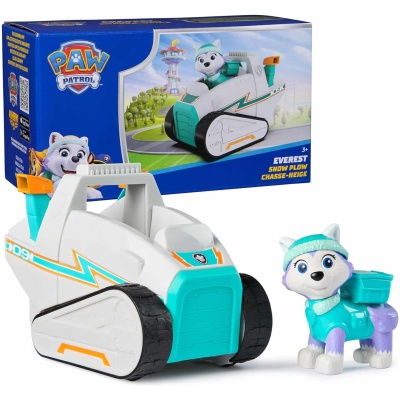
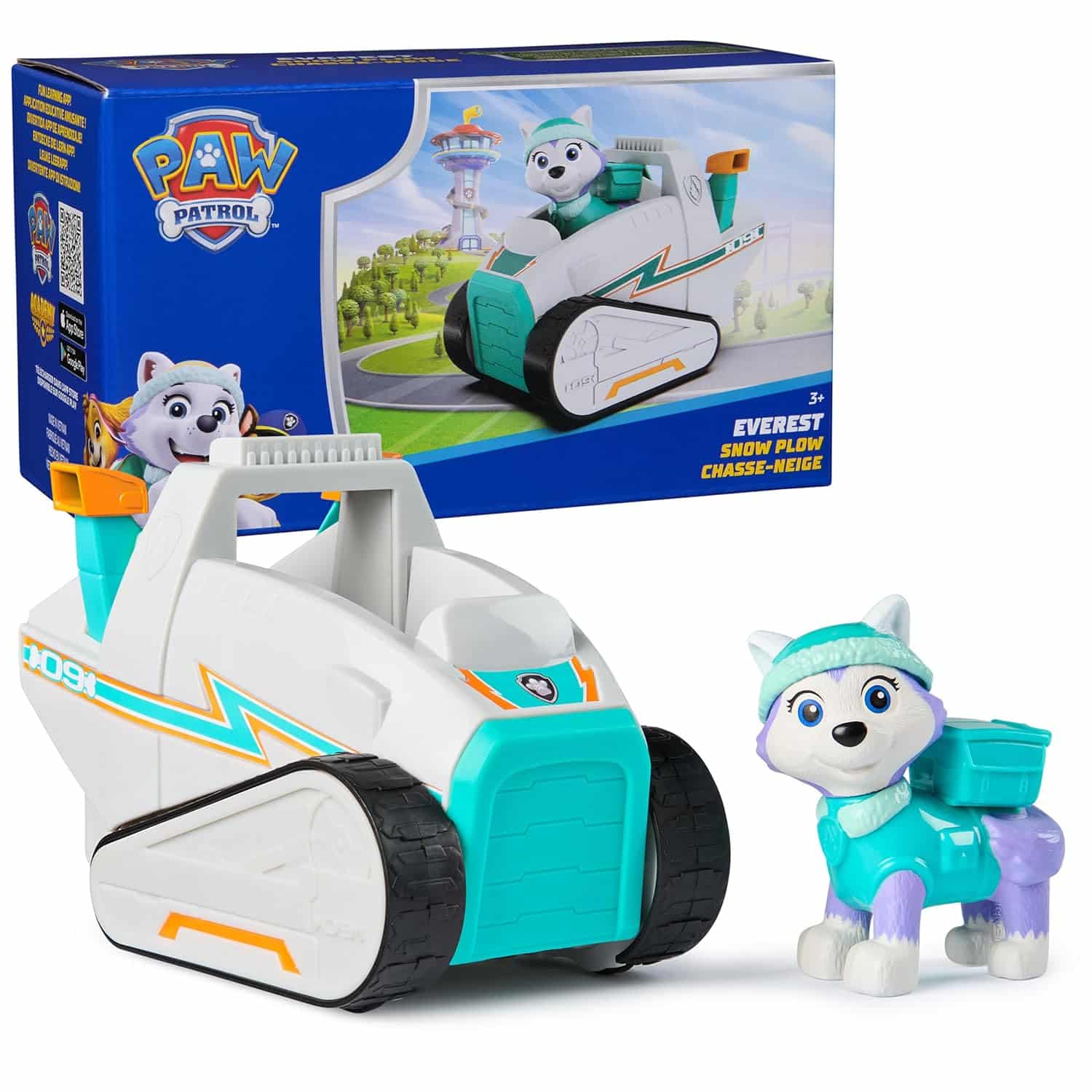
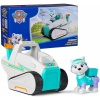
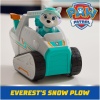
Parents of young Paw Patrol enthusiasts know the drill: a snowy day means adventure, and no pup handles winter terrain quite like Everest. The Toy Vehicle Paw Patrol Everest’s Snow Plow with Collectible Action Figure offers a specific, focused play experience that mirrors the show’s emphasis on problem-solving and teamwork. This vehicle, produced by Spin Master, is not a generic toy car, it is a dedicated rescue unit designed to clear paths, push through obstacles, and transport the beloved husky pup to any mission site. For children aged three and up, this toy serves as both a narrative tool and a functional playset piece.
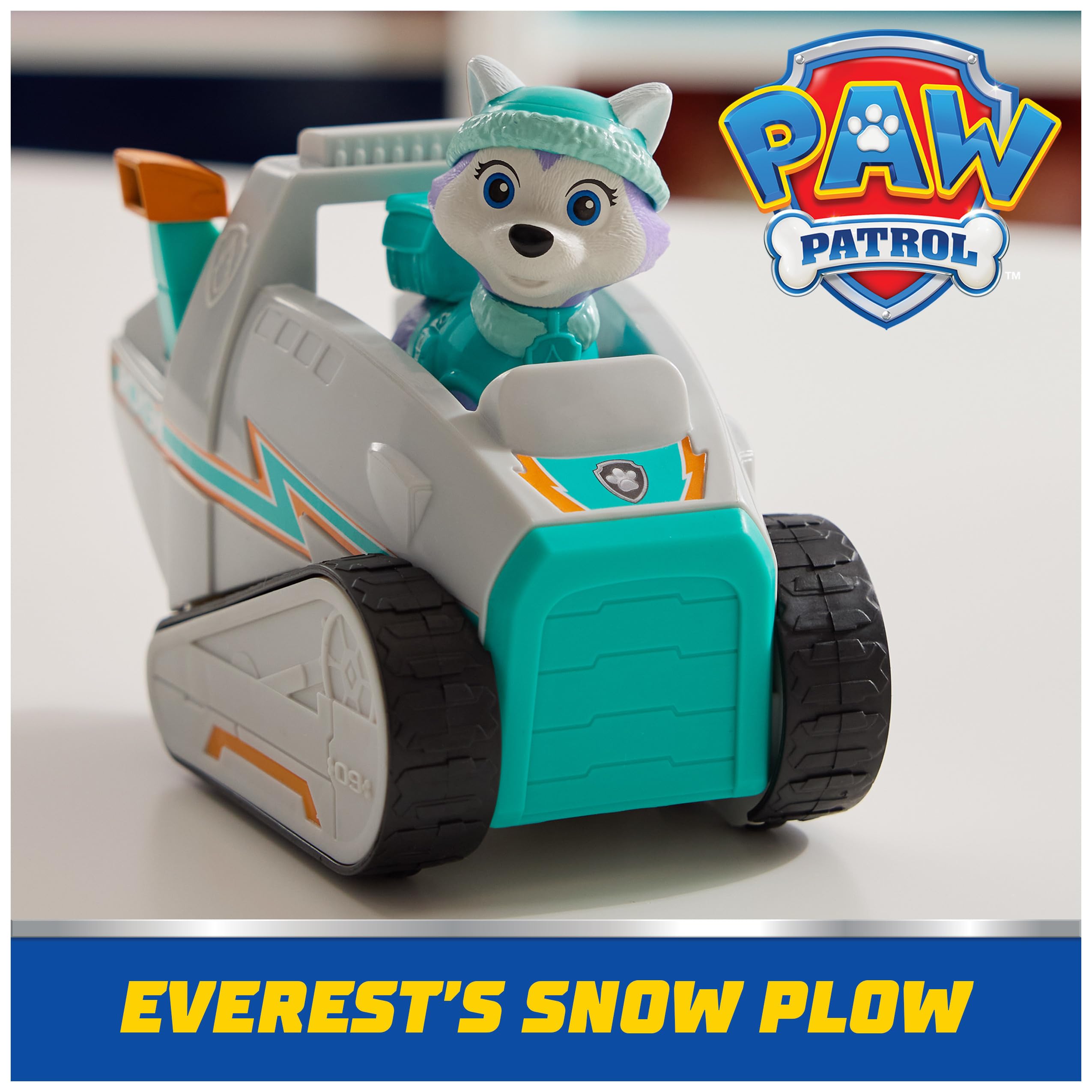
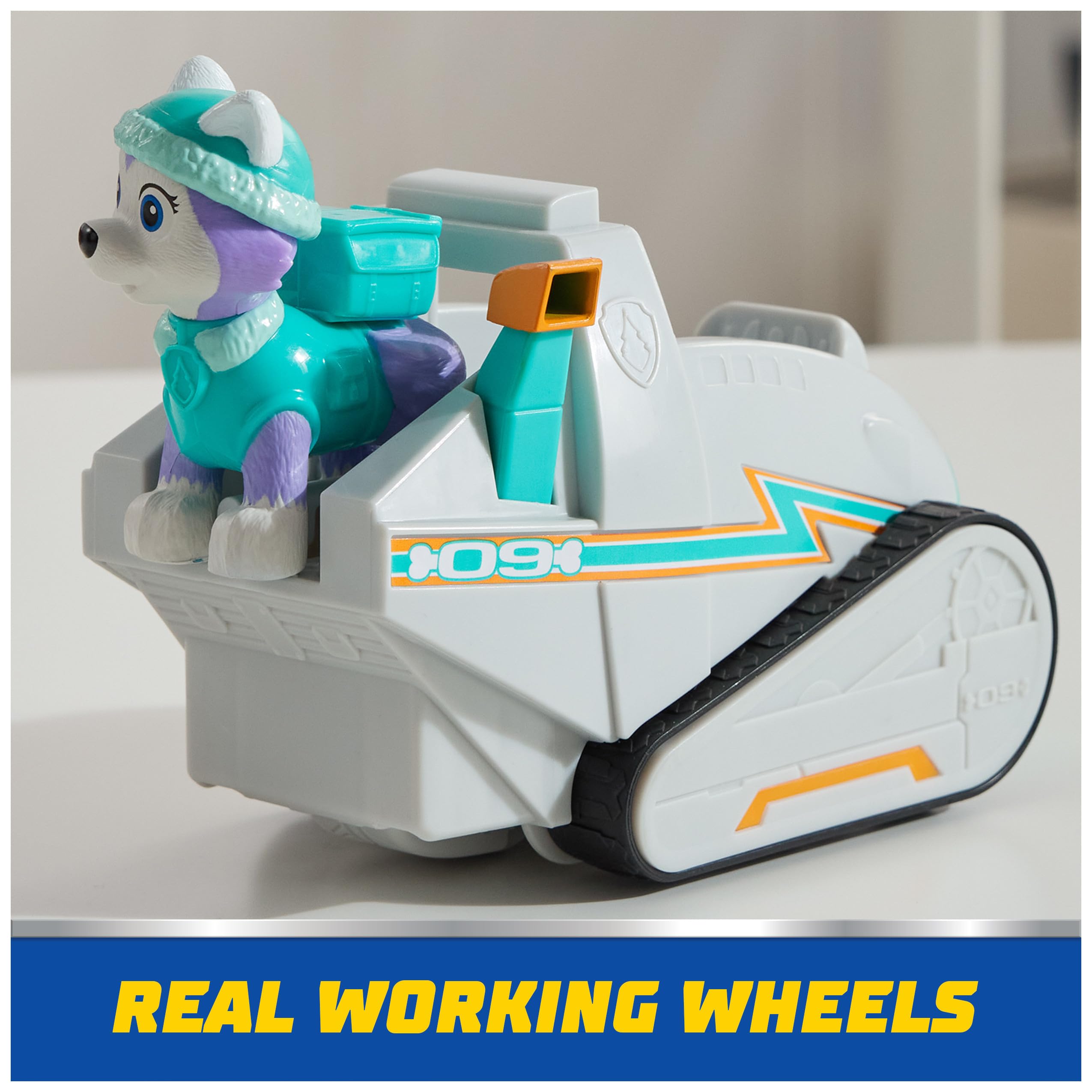
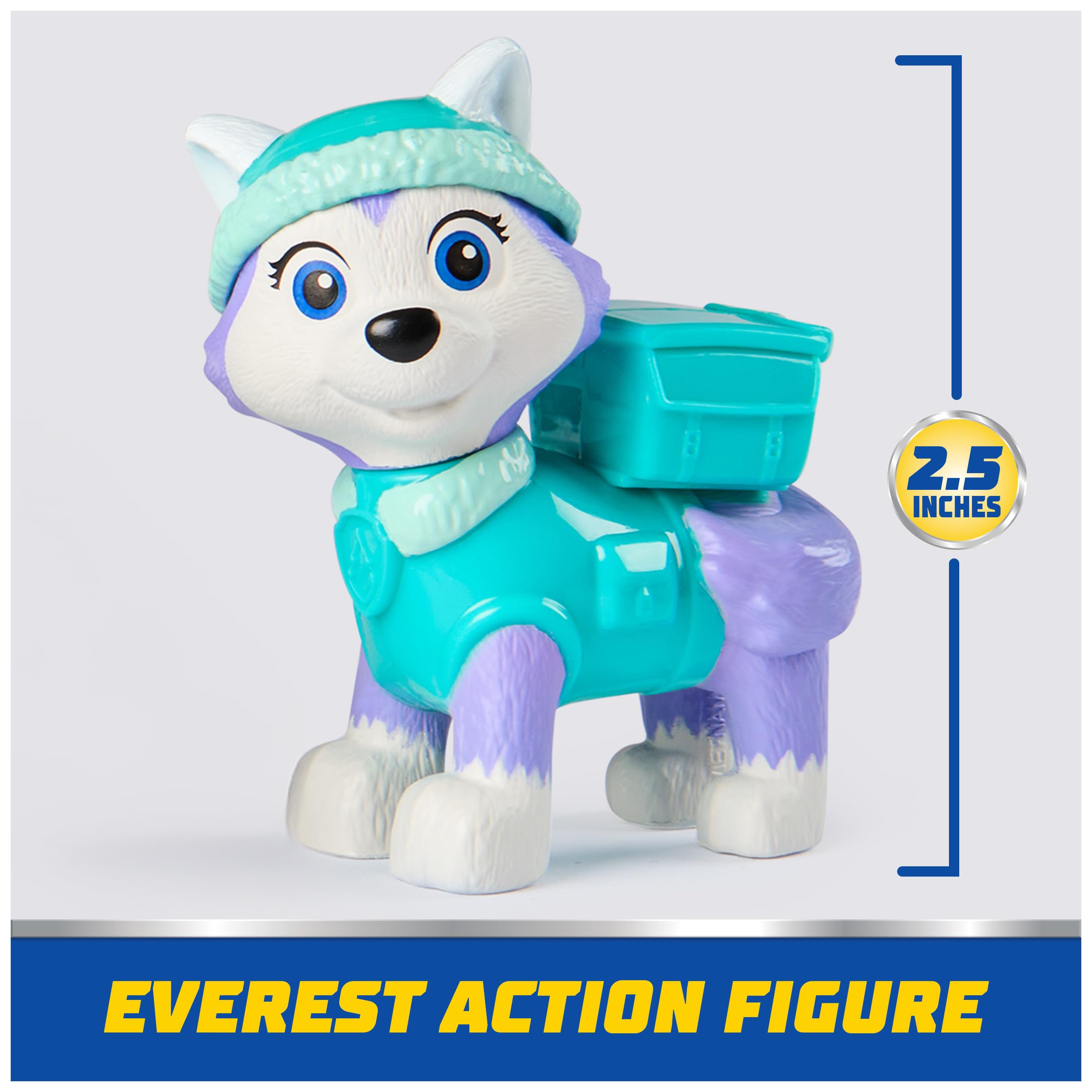
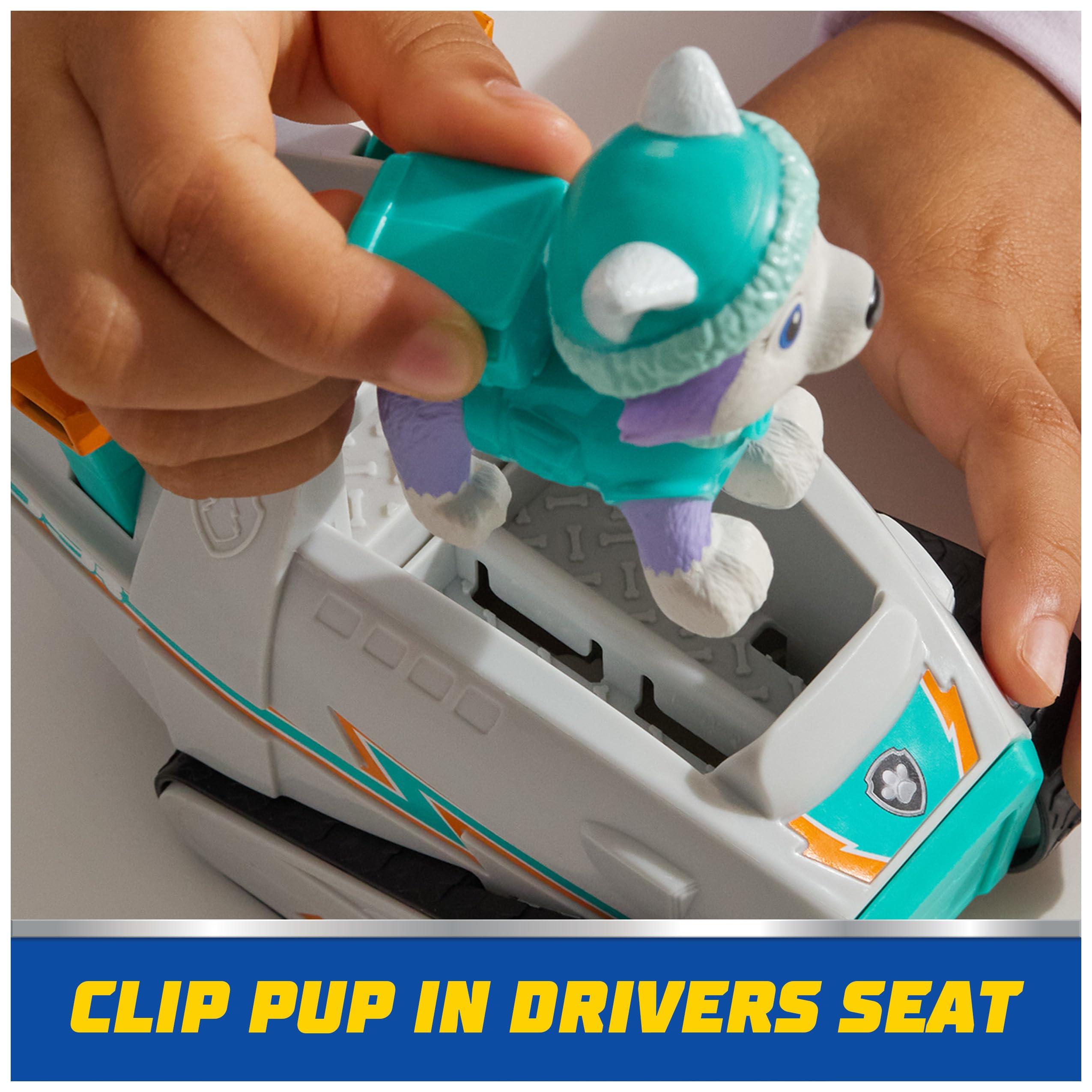
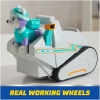
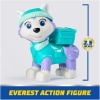
The vehicle itself is constructed from a combination of molded plastic and durable components, reflecting Spin Master’s commitment to creating toys that withstand active play. The snow plow attachment is fixed to the front, featuring a wide, curved blade that mimics the design seen in the animated series. This blade is not articulated for tilting, but its solid construction allows children to push the vehicle forward and simulate snow clearing. The wheels are designed with deep treads, providing traction on carpeted surfaces and hard floors alike, which is essential for maintaining momentum during rescue scenarios. The collectible action figure of Everest is included, standing approximately 2.5 inches tall, and is molded from a single piece of plastic with painted details that capture her signature pink and purple winter gear. The figure fits snugly into the vehicle’s cockpit, which opens via a hinged canopy. This design choice ensures the figure remains secure during play but is easily removable for independent adventures.
What sets this vehicle apart from other Paw Patrol offerings is its specific focus on winter rescue. Unlike Chase’s police cruiser or Marshall’s fire truck, Everest’s Snow Plow is purpose-built for a single, critical function: clearing snow. This specialization encourages children to think about the unique challenges of rescue in different environments. The vehicle’s scale is consistent with other Spin Master Paw Patrol vehicles, allowing for seamless integration into existing collections. Parents should note that the vehicle requires no assembly, it arrives ready for play straight out of the box. The packaging includes a small instruction sheet detailing the canopy operation, but the mechanism is intuitive enough for most children to figure out independently.
How the Snow Plow Mechanism Supports Imaginative Rescue Missions
The primary play feature of this toy is its snow plow blade, but understanding how it functions in practice reveals its value for developmental play. The blade is permanently attached to the front of the vehicle, extending approximately three inches forward and two inches high. This design creates a wedge shape that effectively pushes lightweight objects, such as cotton balls, crumpled paper, or small toy snow piles, across a play surface. While the blade does not move independently, its fixed angle is calibrated to lift debris slightly as the vehicle moves forward, preventing it from simply bulldozing objects into a wall. This subtle engineering detail means children can actually clear a path, rather than just pushing obstacles around.
For parents, this translates into a toy that encourages repetitive, goal-oriented play. A child might set up a small obstacle course with pillows or blocks, then use the snow plow to navigate through and clear the way for other Paw Patrol vehicles. This type of play builds hand-eye coordination and spatial awareness, as children must adjust their pushing angle to effectively move objects. The vehicle’s weight distribution is also worth noting: the plow blade adds mass to the front, which helps prevent the vehicle from tipping forward during aggressive pushes. This stability is crucial for younger children who may not have fully developed motor control.
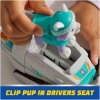
The collectible action figure adds another layer of functionality. Everest’s figure is designed with a small peg on the bottom of her feet, which aligns with a corresponding socket in the vehicle’s cockpit. This connection is secure enough that the figure stays in place during play, but not so tight that a child cannot remove it easily. The figure’s arms are fixed in a neutral position, but her head is molded to look forward, giving the impression of focused driving. While the figure lacks articulation, its solid construction means it can also be used independently for standing play or placed in other Paw Patrol vehicles that accommodate figures of this size. This interoperability is a key feature of the Spin Master line, allowing children to mix and match characters and vehicles from different sets.
Material Composition and Sustainability Considerations for Modern Families
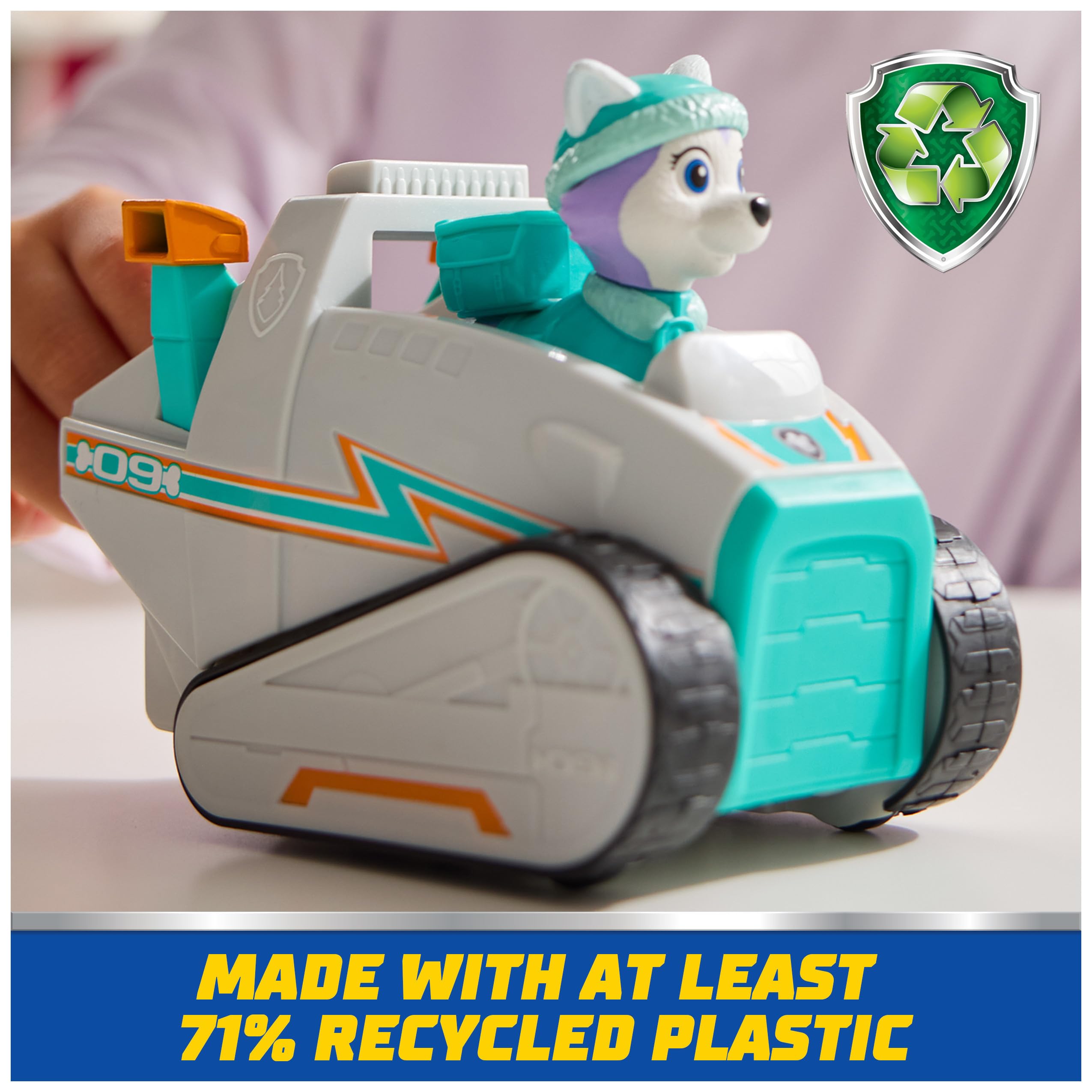
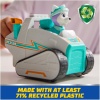
Spin Master has made a deliberate shift toward more sustainable manufacturing practices, and this toy reflects that commitment. The vehicle and figure are made from a blend of recycled plastics, specifically post-consumer recycled (PCR) materials. While the exact percentage of recycled content is not disclosed on the packaging, the brand has publicly stated that many of its Paw Patrol products now incorporate at least 30% recycled materials by weight. This does not compromise the toy’s durability, the plastic feels dense and rigid, with no noticeable difference in quality compared to earlier Spin Master products. The paint used for the detailing is water-based and free from phthalates and lead, meeting current safety standards for children’s toys.
Parents concerned about environmental impact will appreciate that the packaging is also designed with sustainability in mind. The box is made from FSC-certified cardboard and is fully recyclable. The interior tray is molded from recycled paper pulp rather than plastic, reducing waste. The toy itself is secured with a single paper twist tie, which can be easily removed without scissors. This attention to packaging detail means less plastic ends up in landfills, and the materials used are easier to recycle curbside. For families trying to reduce their ecological footprint, this toy represents a step in the right direction without sacrificing play value.
It is worth noting that the toy is not biodegradable, nor is it marketed as such. The recycled plastic used is still plastic, and it will not break down in a landfill. However, the use of recycled materials reduces the demand for virgin plastic production, which has a measurable impact on carbon emissions and resource consumption. Spin Master’s sustainability initiatives are part of a broader industry trend, and this toy is a solid example of how major toy manufacturers are adapting to consumer demand for more responsible products. The toy is also free from batteries, which means no electronic waste at the end of its life cycle, a significant advantage for parents looking to minimize their household’s environmental impact.
Age Appropriateness and Developmental Benefits for Children Ages 3 and Up
The manufacturer’s minimum age recommendation of 36 months is not arbitrary, it reflects specific safety and developmental considerations. Children under three are still in a stage where small parts pose a choking hazard, and the Everest figure, while not tiny, could be a risk if chewed or swallowed. The vehicle itself is large enough that it cannot be fully inserted into a child’s mouth, but the figure measures approximately 2.5 inches, which is within the range that could be a choking hazard for toddlers. Parents should follow the age recommendation strictly, especially if younger siblings are present during play.
For children aged three and older, this toy offers several developmental benefits. The act of pushing the vehicle across a surface engages gross motor skills, strengthening arm and shoulder muscles. The need to steer and adjust direction builds hand-eye coordination and spatial reasoning. As children create rescue scenarios, they practice narrative thinking and problem-solving. For example, a child might decide that the snow plow needs to clear a path to the Lookout Tower, then figure out the most efficient route. This type of play fosters cognitive flexibility and planning skills.
Socially, the toy encourages cooperative play. A child with Everest’s Snow Plow can team up with a sibling or friend who has another Paw Patrol vehicle, working together to complete a rescue mission. This collaborative dynamic mirrors the show’s emphasis on teamwork and communication. The toy also supports independent play, as children can immerse themselves in solo adventures without needing constant adult involvement. The lack of electronic sounds or lights is actually a benefit here, it forces children to rely on their imagination to create sound effects and dialogue, which is a key component of creative play. For parents, this means quieter play sessions and fewer batteries to replace, which is a practical advantage.
Compatibility with Existing Paw Patrol Collections and Play Patterns
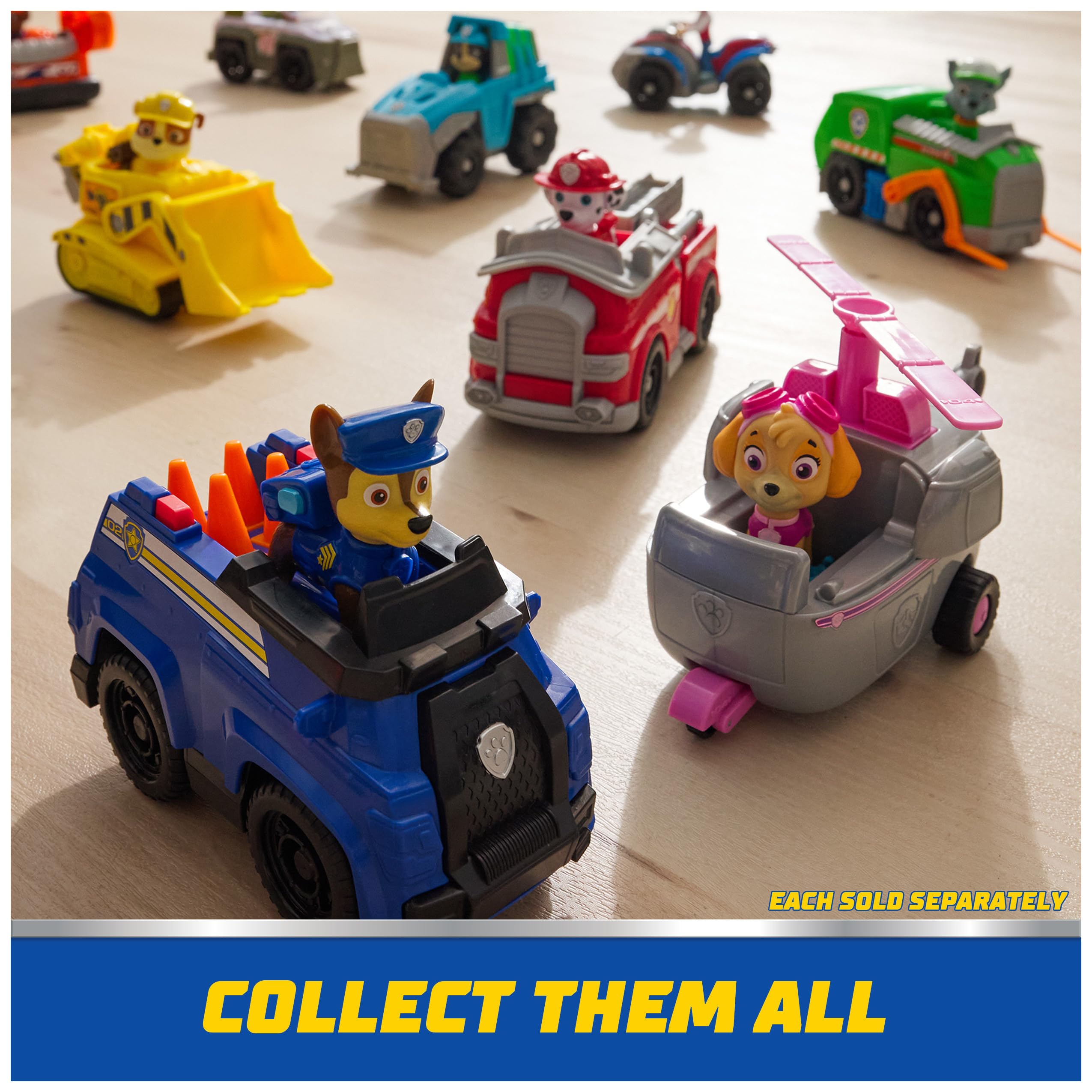
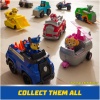
One of the strongest selling points of this toy is its compatibility with other Paw Patrol products. The vehicle’s size and scale are consistent with the standard Spin Master vehicle line, which includes Chase’s Cruiser, Marshall’s Fire Truck, and Rubble’s Bulldozer. This means children can create a unified rescue fleet, with each vehicle serving a specific function. The snow plow can push snow out of the way for other vehicles, or it can be used to transport Everest to a location where she is needed for a mountain rescue. The figure’s peg design is also compatible with the Paw Patrol Lookout Tower and other playsets that feature figure-holding slots, expanding the play possibilities.
Parents who already own other Paw Patrol vehicles will find that the snow plow integrates seamlessly into existing play patterns. The vehicle can be used as a standalone toy, but its true value emerges when combined with other pieces. For example, a child might use the snow plow to clear a path to the Paw Patroller, then load Everest into the larger vehicle for a long-distance mission. This interconnectivity encourages children to think about logistics and planning, as they decide which vehicle is best suited for each part of a rescue. The toy also works well with non-Paw Patrol toys, such as generic building blocks or toy animals, allowing for open-ended creative play.
It is important to note that the vehicle does not include any additional accessories, such as snow piles or rescue tools. The play experience is entirely dependent on the child’s imagination and the environment they create. This simplicity is a deliberate design choice, as it keeps the toy focused on its core function and reduces the risk of losing small parts. For parents, this means less clutter and fewer pieces to keep track of. The toy’s durability also means it can withstand the rough handling that often comes with group play, making it a good choice for daycare centers, playdates, or siblings who share toys. The lack of small, detachable parts also reduces the likelihood of arguments over missing pieces, which is a practical consideration for any household with multiple children.