Liberty’s Rescue Motorcycle: A Closer Look at Design and Durability
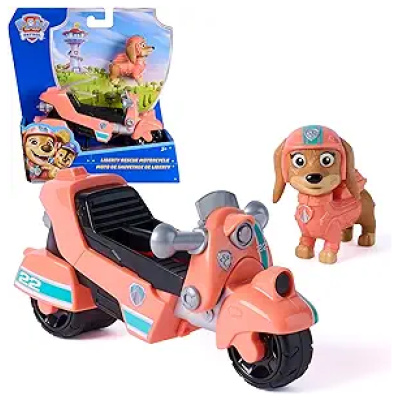
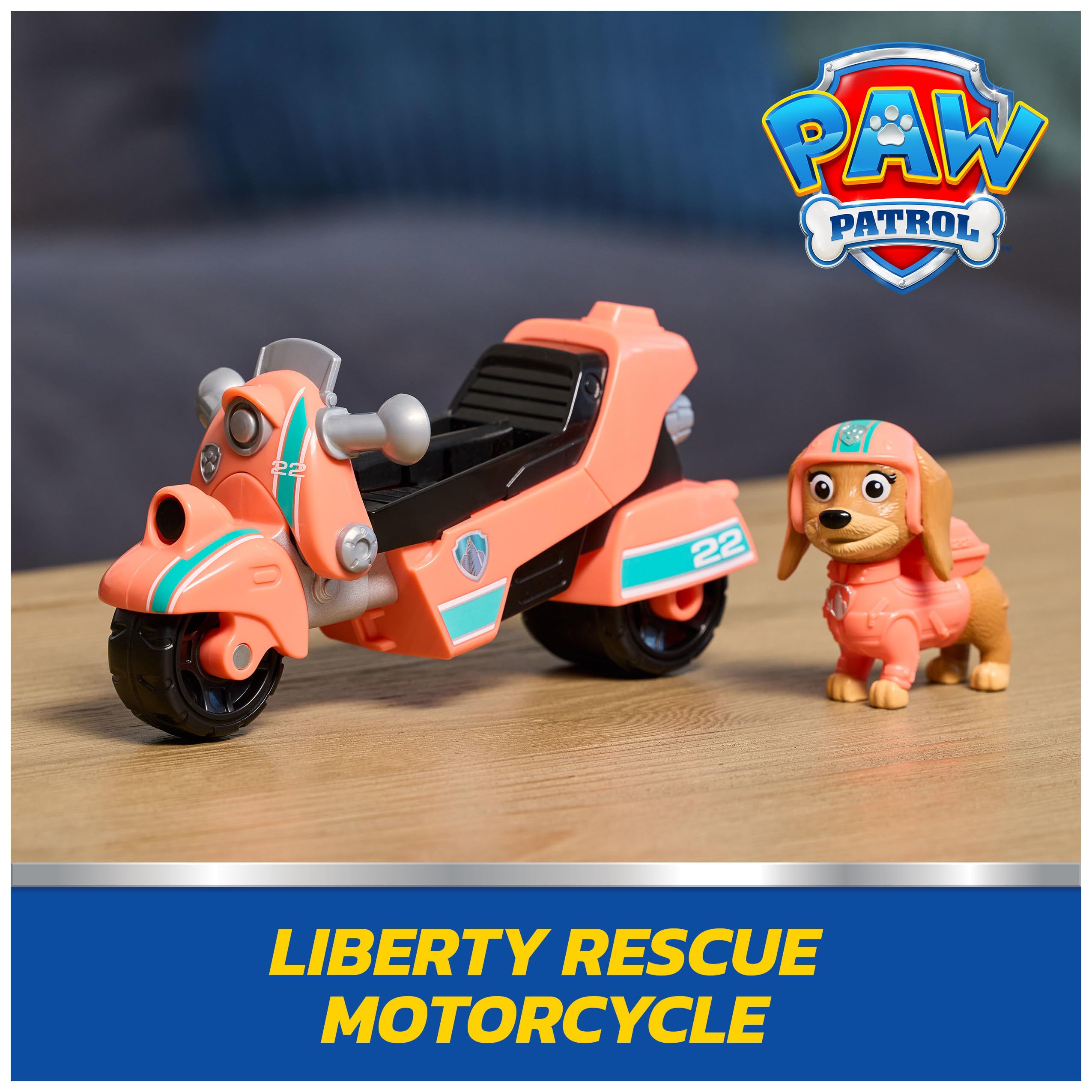
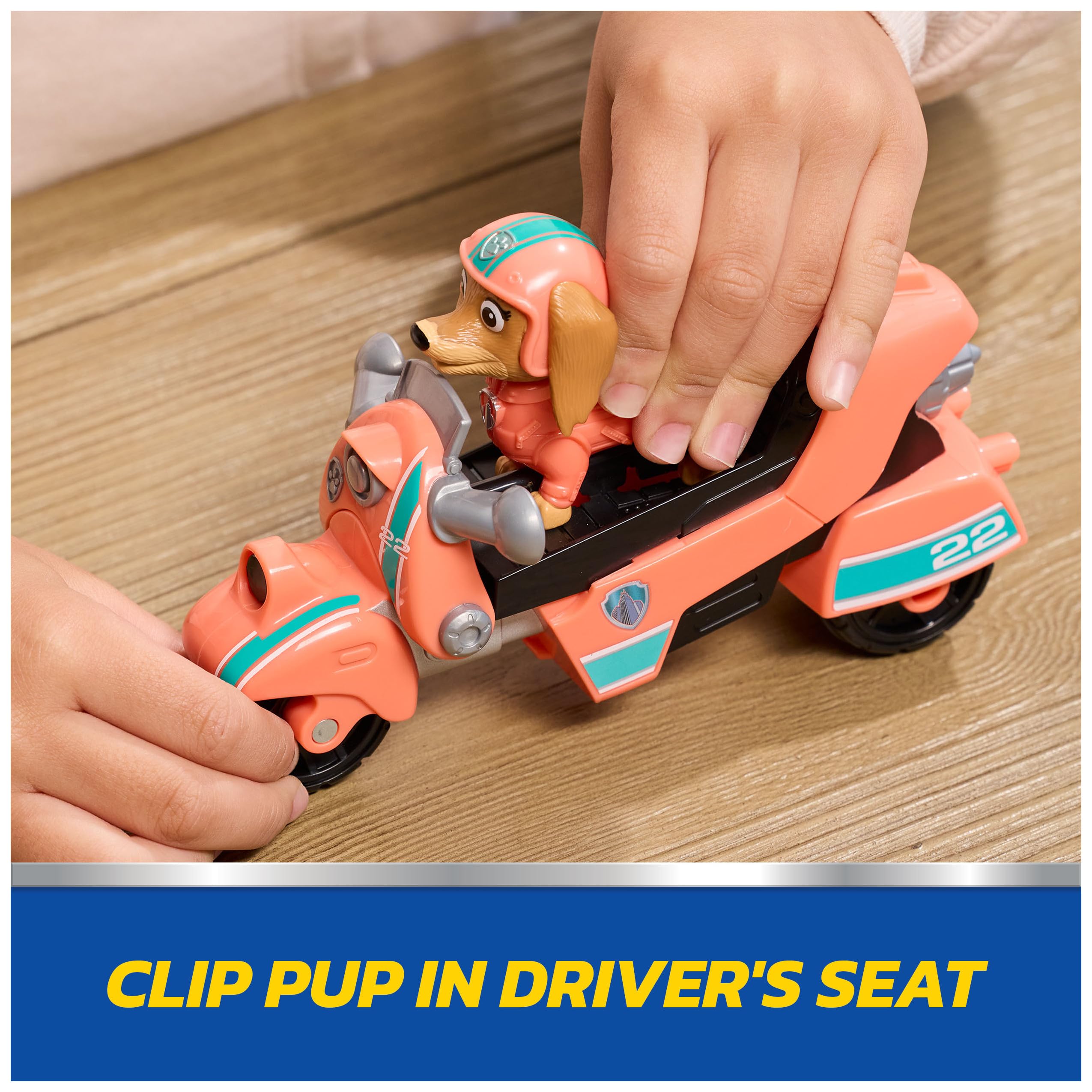
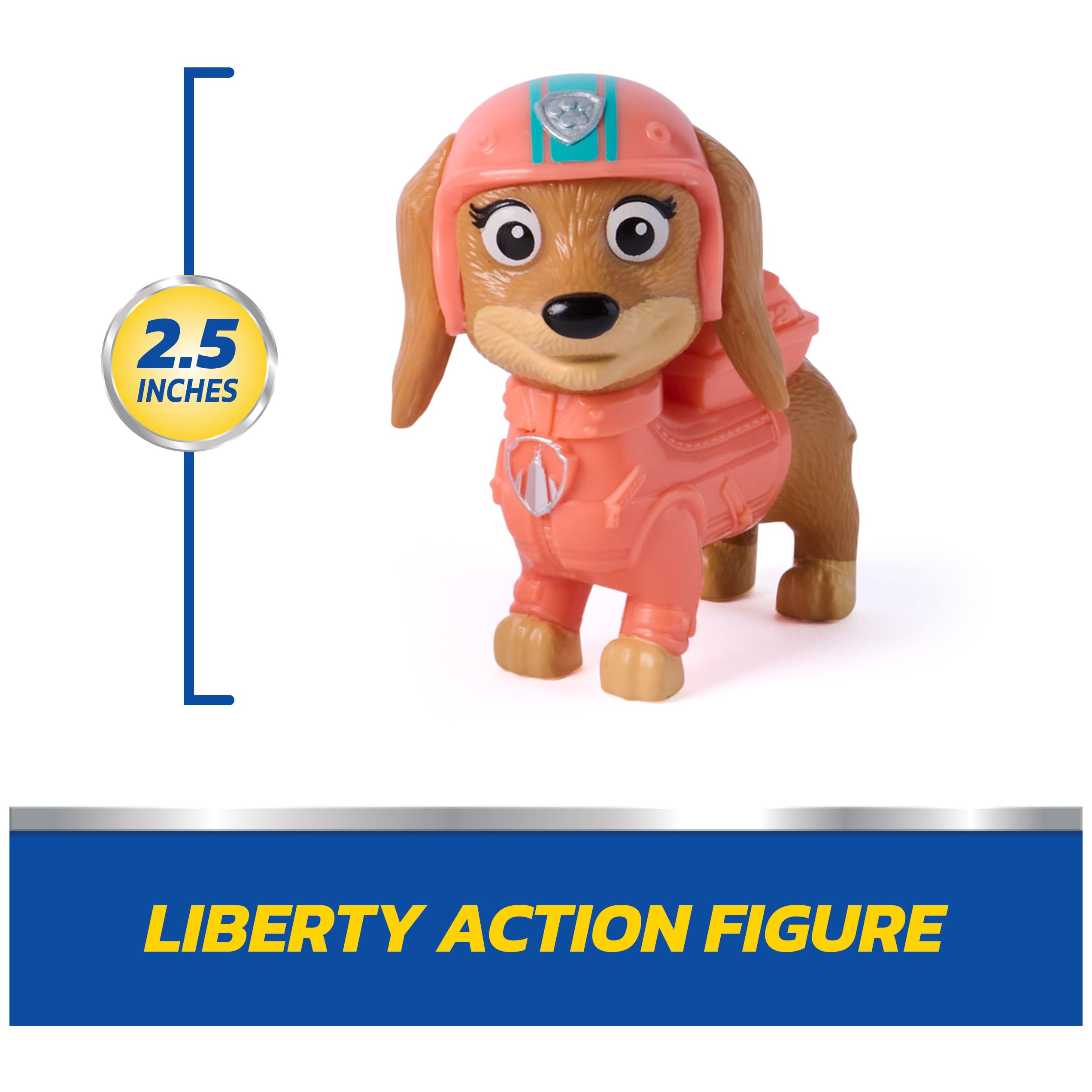
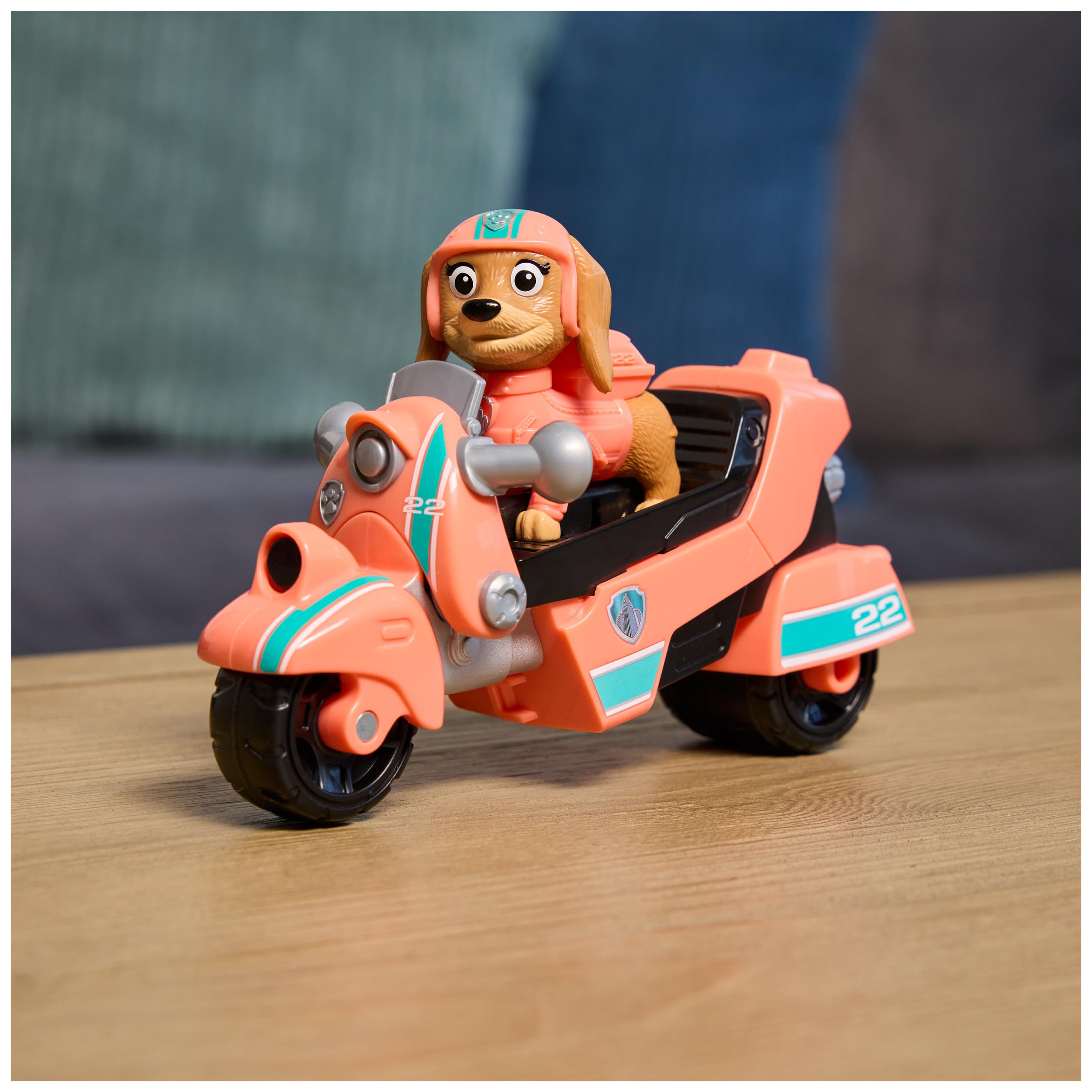
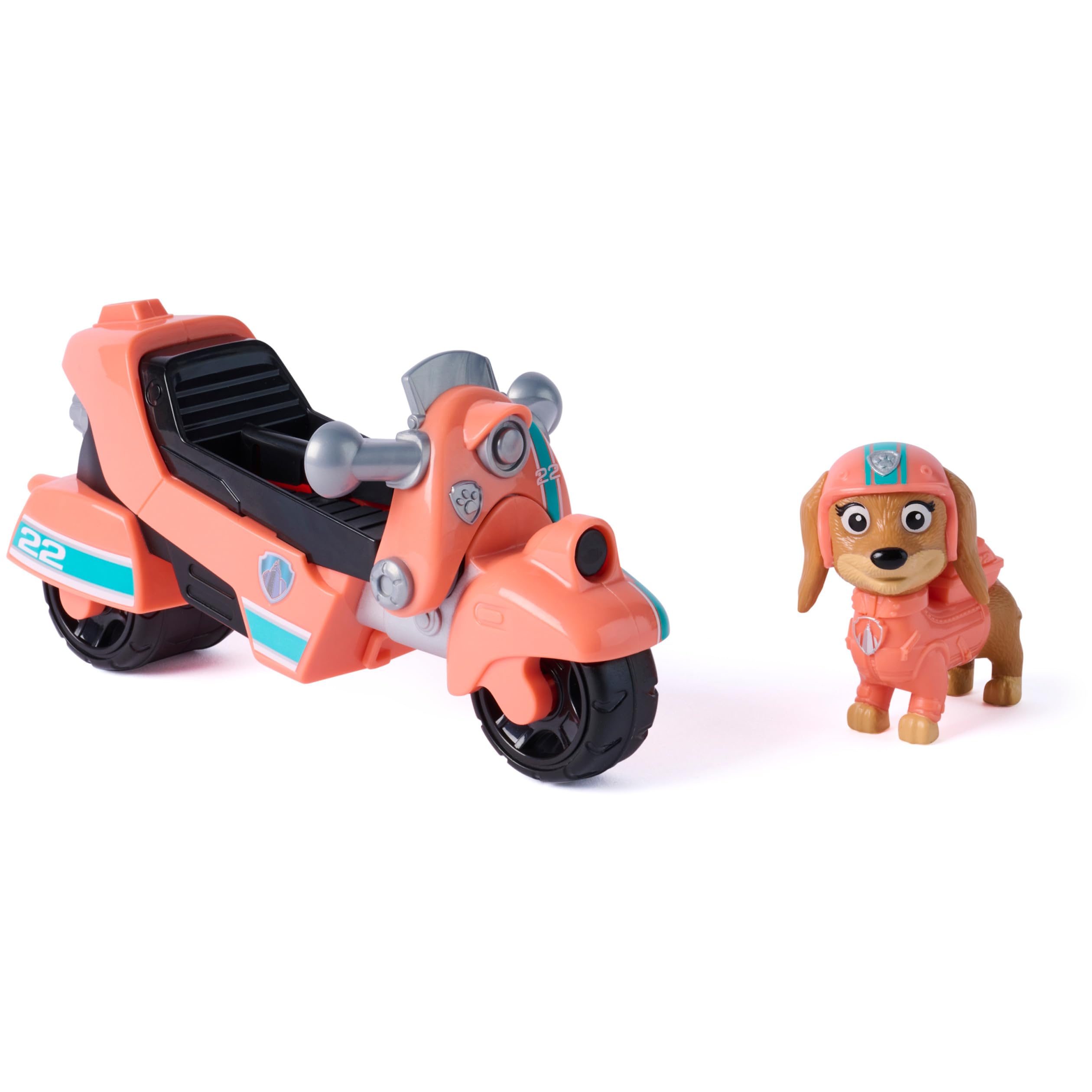
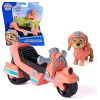
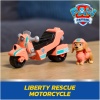
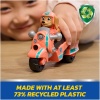
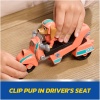
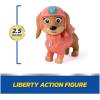
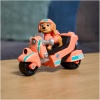
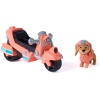
When a child reaches for a toy, they are not just picking up an object, they are selecting a partner for their next great adventure. The PAW Patrol Liberty’s Rescue Motorcycle with Figure, designed by Spin Master, offers a tangible connection to the beloved animated series. This vehicle is crafted for children aged three to nine years, a range that aligns with the developmental stage where imaginative play becomes increasingly complex and narrative-driven. The motorcycle itself is constructed from robust, child-safe plastics, engineered to withstand the enthusiastic handling typical of this age group. The wheels are free-rolling and smooth, allowing for easy movement across various surfaces, from carpet to hardwood floors, without requiring batteries or external power. The figure of Liberty, the savvy dachshund from the PAW Patrol universe, is scaled to fit securely on the motorcycle seat, with a design that captures her distinctive pink and purple uniform and determined expression. The detailing on both the vehicle and the figure is precise, the handlebars, exhaust pipe, and side decals mirror the on-screen vehicle, providing a level of authenticity that young fans will immediately recognize and appreciate. This attention to detail is not merely cosmetic; it supports the child’s ability to recreate specific scenes from the show, reinforcing their narrative recall and cognitive sequencing skills. The materials used are non-toxic and meet US and EU safety standards, ensuring that the toy is as safe as it is engaging. The absence of small, detachable parts reduces choking hazards, making it a suitable choice for children on the younger end of the recommended age spectrum. In terms of durability, the motorcycle’s construction resists impact from drops and collisions, a common occurrence in active play scenarios. The figure’s limbs are fixed in a riding posture, which minimizes the risk of breakage while maintaining a dynamic appearance. Parents will appreciate that the toy requires no assembly beyond removing it from the packaging, and its compact size, approximately six inches in length, makes it easy to store or transport. This vehicle is not a complex, multi-part playset; it is a focused, purposeful toy designed to excel in one area: providing a reliable, authentic vehicle for Liberty that encourages independent, imaginative play. The finish is matte with subtle gloss accents, which reduces the visibility of minor scratches and maintains a fresh appearance over time. For families invested in the PAW Patrol franchise, this motorcycle serves as a logical expansion of their existing collection, compatible with other vehicles and figures from the same line. It stands as a testament to Spin Master’s commitment to producing toys that respect the source material while prioritizing the practical needs of both children and their caregivers.
For families weighing multiple options, another popular paw patrol motorcycle worth comparing is the Moto Chase Deluxe Pull Back model with its wheelie feature.
How the Motorcycle Supports Imaginative Play and Narrative Development
Play is the work of childhood, and the tools we provide shape the quality of that work. The Liberty’s Rescue Motorcycle is more than a miniature vehicle; it is a catalyst for storytelling and problem-solving. When a child places Liberty on her motorcycle and pushes it across the floor, they are engaging in a form of narrative construction that mirrors the structure of the television episodes. The show’s format, a problem arises, the pups are called, a rescue is executed, provides a clear template that children can internalize and adapt. With this toy, the child becomes the director of their own rescue mission. They must decide where Liberty is needed, what obstacle she faces, and how she will overcome it. This process encourages sequential thinking, as the child must order events logically: first, Liberty receives the call; second, she mounts her motorcycle; third, she navigates to the scene; fourth, she executes the rescue. The physical act of moving the motorcycle from point A to point B reinforces this sequence in a concrete, kinesthetic way. Furthermore, the inclusion of a single figure with a dedicated vehicle simplifies the play scenario, reducing cognitive load and allowing the child to focus on a single narrative thread. This is particularly beneficial for children aged three to five, who are still developing the ability to manage multiple characters and plotlines simultaneously. The motorcycle’s design, with its prominent sidecar-like profile, suggests speed and agility, qualities that children associate with successful rescues. As they play, they may narrate aloud, using language to describe Liberty’s actions, a practice that builds vocabulary and expressive language skills. The toy also supports social play when siblings or friends join in. A child with the motorcycle can interact with another child who has, for example, a PAW Patrol vehicle or figure, creating a shared universe where stories are co-constructed. This collaborative play teaches negotiation, turn-taking, and compromise. The absence of electronic sounds or lights is a deliberate design choice that encourages the child to supply the auditory cues themselves, the roar of the engine, the siren, the dialogue. This active participation is more cognitively demanding than passive reception of pre-recorded sounds, and it strengthens the child’s imaginative faculties. Parents may observe their child replaying specific episodes, modifying them, or inventing entirely new scenarios. This flexibility is a hallmark of high-quality toys: they do not prescribe a single use but offer a framework within which the child can exercise creativity. The motorcycle’s scale also makes it suitable for use with other playsets, such as the PAW Patrol Lookout Tower or the Adventure Bay playsets, allowing for integration into larger, more complex narratives. Over time, the child’s play with this toy will evolve, reflecting their growing understanding of cause and effect, character motivation, and story structure. What begins as simple pushing and rolling may develop into elaborate rescue missions with multiple steps and outcomes. This progression is a sign of healthy cognitive development, and the Liberty’s Rescue Motorcycle is a reliable partner in that journey.
Authenticity and Collectibility: Matching the On-Screen Experience
For a child who watches PAW Patrol regularly, the accuracy of a toy’s design is paramount. A vehicle that does not match the show’s depiction can break the illusion and diminish the play experience. Spin Master has a well-established reputation for producing officially licensed merchandise that adheres closely to the source material, and this motorcycle is no exception. Liberty’s Rescue Motorcycle is modeled after the vehicle seen in Season 8 and subsequent episodes, where Liberty joins the PAW Patrol as a full-fledged member. The color palette, predominantly pink with purple and white accents, is faithful to the character’s aesthetic. The decals on the side of the motorcycle replicate the paw print emblem and the lightning bolt motif that appear in the animation. The figure of Liberty herself is sculpted with attention to her breed-specific features: the long snout, floppy ears, and slender body of a dachshund. Her uniform includes the signature PAW Patrol badge on the chest, and her helmet is molded as part of the figure, ensuring it does not get lost. The scale of the figure relative to the motorcycle is consistent with other PAW Patrol vehicle-and-figure sets, meaning that Liberty can be swapped with other figures if the child wishes, though the motorcycle is specifically designed to accommodate her posture. For collectors, whether they are children who take pride in their toy displays or adults who appreciate the craftsmanship, this set holds value as a piece of the larger PAW Patrol universe. It is a standalone item that does not require additional purchases to be functional, but it also integrates seamlessly with the extensive line of PAW Patrol toys. The packaging itself is designed with a window that showcases the product, making it suitable for gifting or display. The cardboard backing features artwork from the show, which can be cut out and used as a backdrop for play. The motorcycle’s authenticity extends to its proportions; it is not a caricature but a scaled-down version of the vehicle as it appears on screen. This fidelity supports the child’s ability to recognize and name the vehicle, reinforcing their connection to the character and the series. In a market saturated with generic toy vehicles, this specificity is a differentiator. It tells the child that this is not just any motorcycle, it is Liberty’s motorcycle, with a history and a purpose within the PAW Patrol narrative. For parents, this authenticity translates into a toy that will be played with repeatedly, not discarded after a single use. The child’s familiarity with the character and vehicle creates an emotional investment that prolongs the toy’s lifespan in the playroom. Additionally, because the toy is part of a larger system, it encourages the child to seek out other PAW Patrol vehicles and figures, fostering a sense of collection and completion. This can be a positive motivator for goal-setting and delayed gratification, as the child works toward acquiring a full set. The durability of the toy also means that it can be passed down to younger siblings or donated, retaining its aesthetic appeal and functionality. In essence, this motorcycle is a faithful reproduction of a screen icon, designed to satisfy the discerning eye of a young fan while meeting the practical demands of daily play.
Practical Considerations for Parents: Safety, Storage, and Longevity
Selecting a toy involves balancing a child’s desires with a parent’s concerns about safety, mess, and durability. The Liberty’s Rescue Motorcycle addresses these practical considerations with thoughtful design. First, safety: the toy is manufactured with rounded edges and no sharp points. The wheels are attached securely and do not detach under normal use. The figure is a single, solid piece with no removable clothing or accessories that could pose a choking hazard. The materials are BPA-free and phthalate-free, complying with the Consumer Product Safety Improvement Act (CPSIA) in the United States and equivalent regulations in the European Union. The recommended age range of three years and up is based on the size of the toy and the absence of small parts; however, parental supervision is always advised during play, especially with younger children who may still mouth objects. In terms of storage, the motorcycle’s compact dimensions, approximately 6 inches long, 3 inches wide, and 4 inches tall, mean it can be stored in a toy bin, on a shelf, or even in a diaper bag for on-the-go entertainment. It does not require a dedicated space, and its sturdy construction means it can be tossed into a bag without fear of damage. The toy is also easy to clean: a damp cloth with mild soap is sufficient to remove dirt or fingerprints. The matte finish does not show smudges as readily as glossy surfaces, and the decals are printed under a protective layer, so they will not peel or fade with regular handling. Longevity is a key factor for many families, and this toy is built to last. The plastic used is impact-resistant, and the figure’s limbs are designed to withstand being gripped and pulled. The wheels are attached with axles that are recessed into the body, reducing the risk of them being bent or broken. There are no electronic components to fail, no batteries to replace, and no small parts to lose. This simplicity is a virtue: the toy will function exactly as intended for years, provided it is not subjected to extreme force or misuse. For families with multiple children, the motorcycle can withstand the rigors of shared play. Its neutral color scheme, dominated by pink and purple, may appeal to a range of preferences, and the character of Liberty is popular across genders. The toy also serves as a bridge between screen time and active play. After watching an episode, a child can immediately translate that experience into physical play with the motorcycle, which can help reduce overall screen time by providing an engaging alternative. Parents may also appreciate that the toy does not require any setup or cleanup beyond putting it away. There are no pieces to sort, no instructions to follow, and no digital components to manage. This low-friction design means that the toy is ready for play at a moment’s notice, which is particularly valuable for short play sessions or when a child needs a quick distraction. In summary, the Liberty’s Rescue Motorcycle is a toy that respects the parent’s need for a safe, durable, and low-maintenance product while delivering the authenticity and play value that children expect from the PAW Patrol brand.
Integrating the Motorcycle into Broader Play Patterns and Collections
A single toy can be a starting point for a larger world of play, and the Liberty’s Rescue Motorcycle is designed with this in mind. It is part of the extensive PAW Patrol toy ecosystem, which includes vehicles, figures, playsets, and accessories. This interconnectedness means that the motorcycle can be used in conjunction with other items to create complex, multi-character scenarios. For example, a child might have Liberty arrive on her motorcycle to assist Chase in his police cruiser or Skye in her helicopter. This type of play encourages the child to manage multiple narrative threads and character relationships, which is a sophisticated cognitive skill. The motorcycle’s scale is consistent with other PAW Patrol vehicles, so it fits alongside them without looking disproportionate. The figure of Liberty can also be removed from the motorcycle and placed in other vehicles or playsets, provided they are designed to accommodate a seated figure. This interoperability extends the toy’s utility and prevents it from becoming a one-note item. For children who enjoy collecting, this motorcycle represents a specific piece of the PAW Patrol universe. It is not a generic vehicle but one tied to a particular character and episode arc. Completing a collection of all the pups’ vehicles can be a motivating goal that teaches patience and planning. The toy also supports parallel play, where two or more children play side by side with their own vehicles, occasionally interacting. This is a common developmental stage for preschoolers, and the motorcycle’s simple operation makes it ideal for this type of play. For older children within the age range, the motorcycle can be incorporated into more elaborate storylines that involve rescue missions, races, or even conflicts that require resolution. The absence of prescribed features means the child is free to invent their own rules and scenarios, which is the essence of creative play. Parents can facilitate this by asking open-ended questions: “Where is Liberty going today?” or “What problem does she need to solve?” These prompts encourage the child to think critically and expand their narrative. The motorcycle can also be used as a tool for teaching cause and effect. If the child pushes the motorcycle too fast, it may tip over; if they place Liberty incorrectly, she may fall off. These small failures are learning opportunities that build resilience and problem-solving skills. Furthermore, the toy can be a conversation starter for discussing the themes of the show, such as teamwork, helping others, and perseverance. A parent might ask, “How did Liberty help in today’s episode?” and then encourage the child to reenact that help with the toy. This bridges the gap between passive viewing and active engagement, deepening the child’s understanding of the show’s messages. In a world where many toys are designed for solitary, passive consumption, the Liberty’s Rescue Motorcycle stands out as a tool for active, imaginative, and social play. It respects the child’s intelligence and creativity, offering a structured yet open-ended play experience that can grow with the child. Whether used alone or as part of a larger collection, this motorcycle is a versatile addition to any young PAW Patrol fan’s toy box, providing endless opportunities for rescue, adventure, and storytelling.
Your searches: paw patrol moto pups zuma, wildcat paw patrol