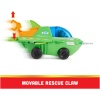
From Recycling Pup to Rescue Ranger: Understanding the Rocky Transforming Sawfish Vehicle
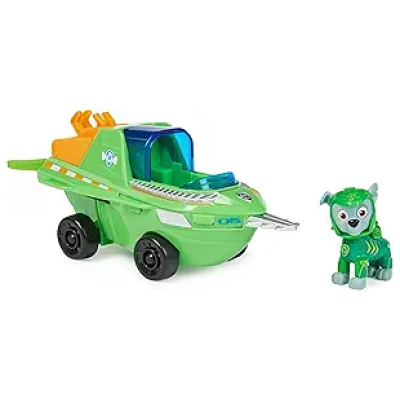
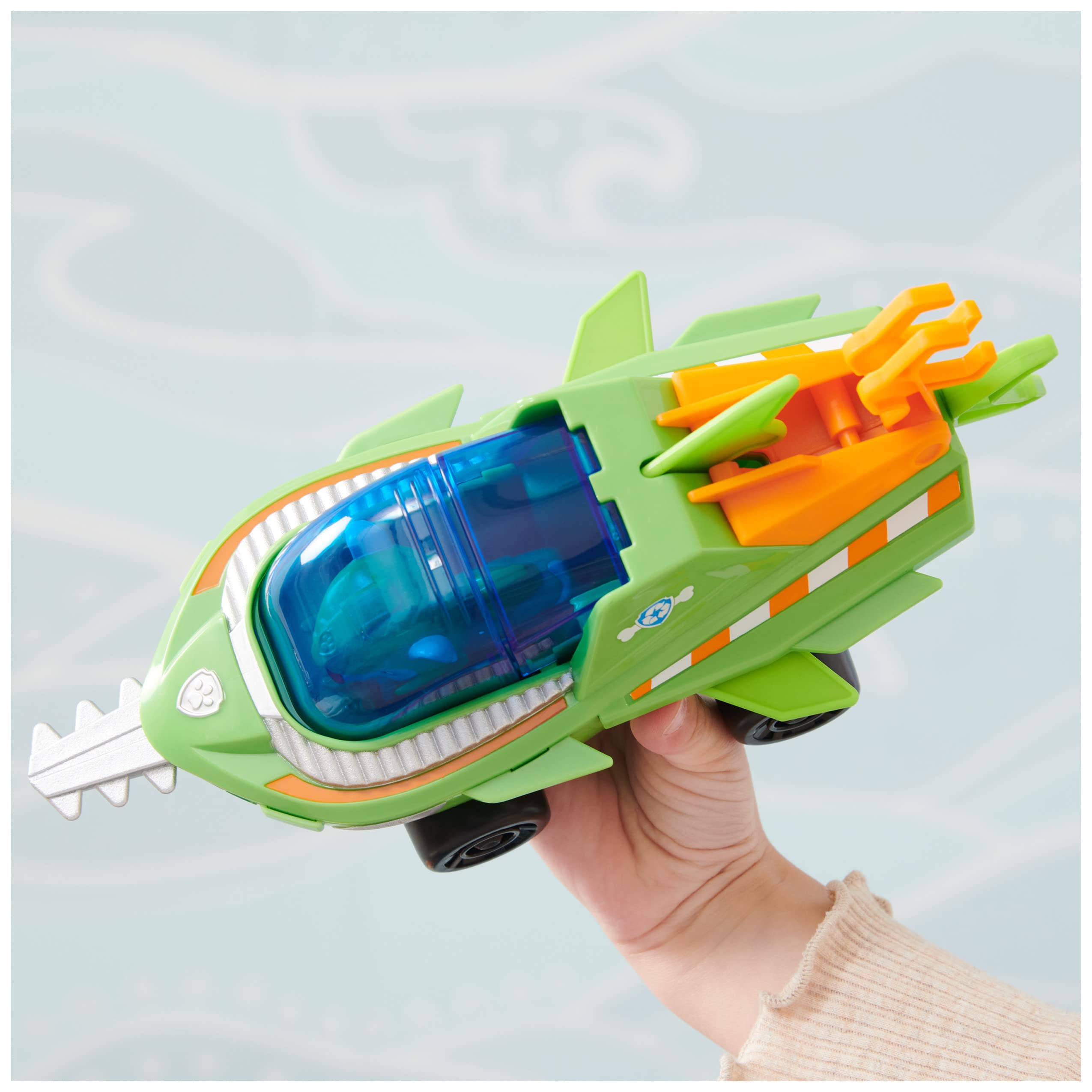
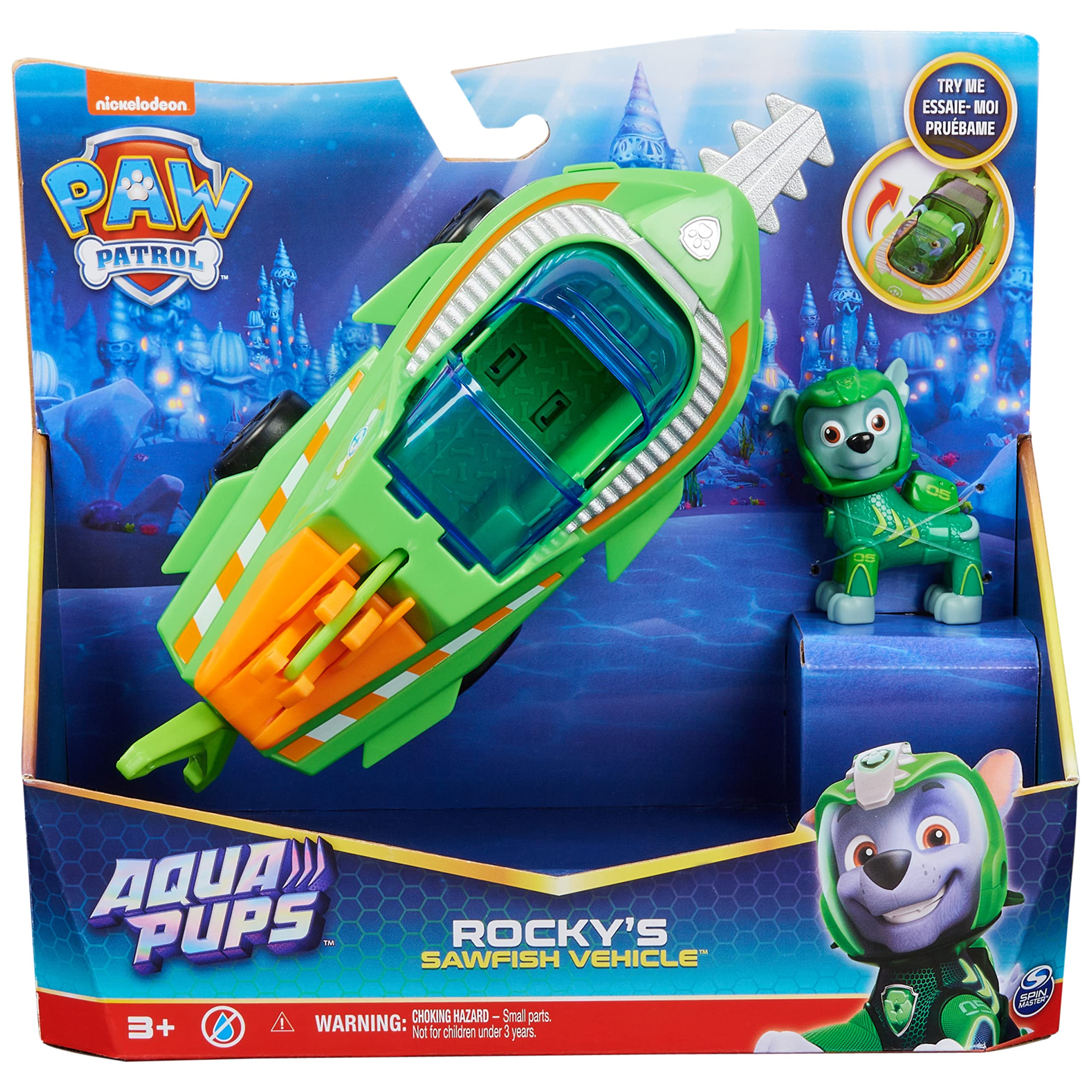
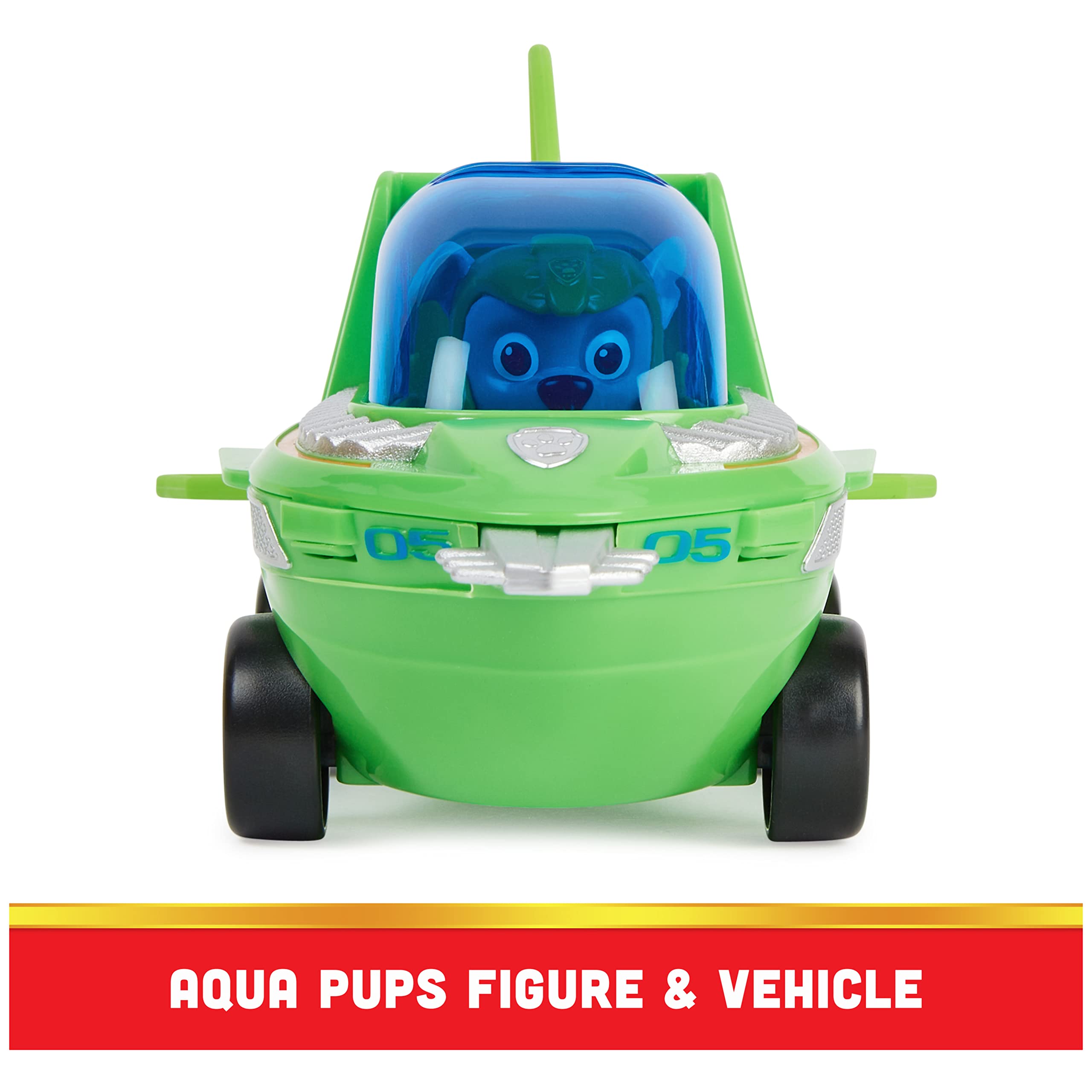
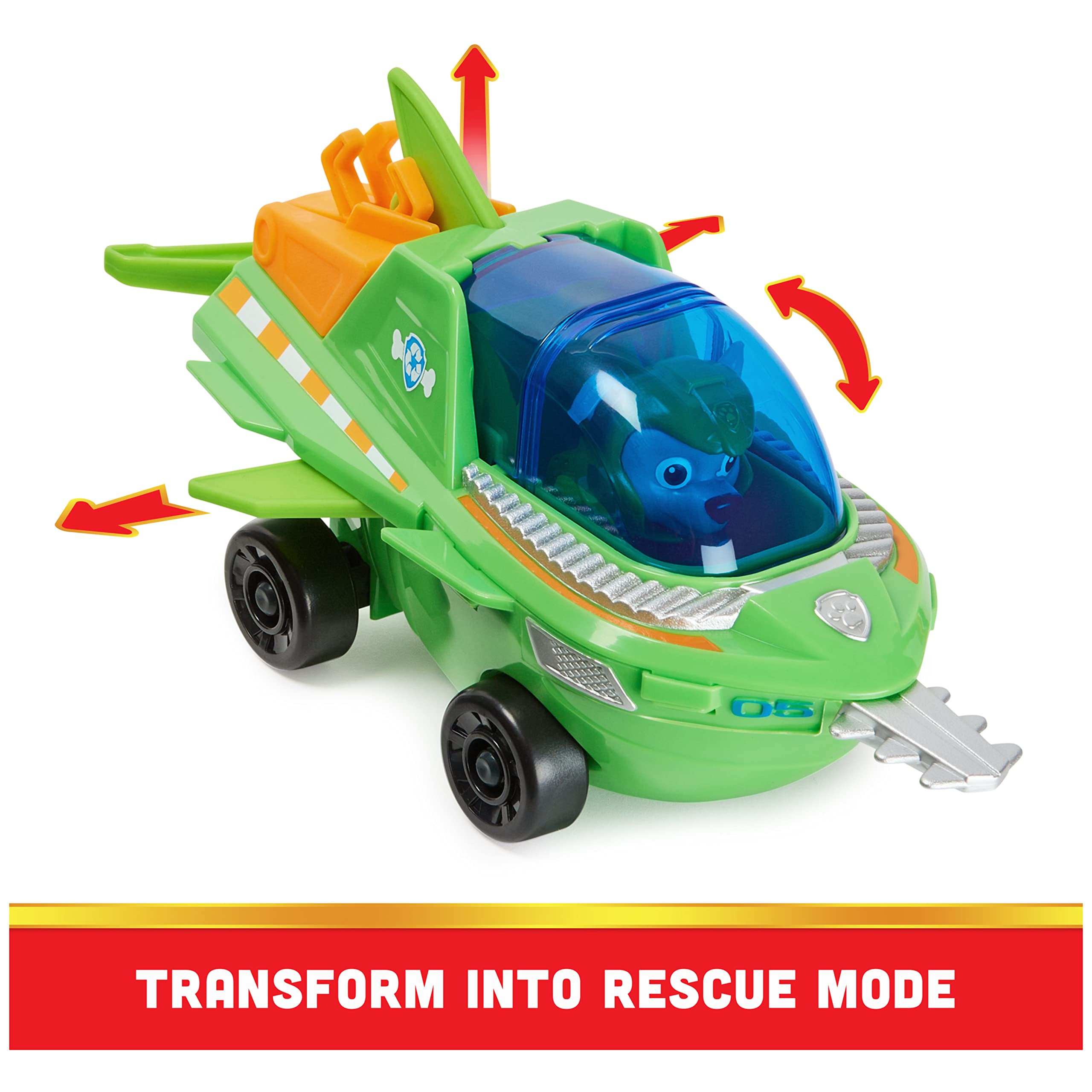
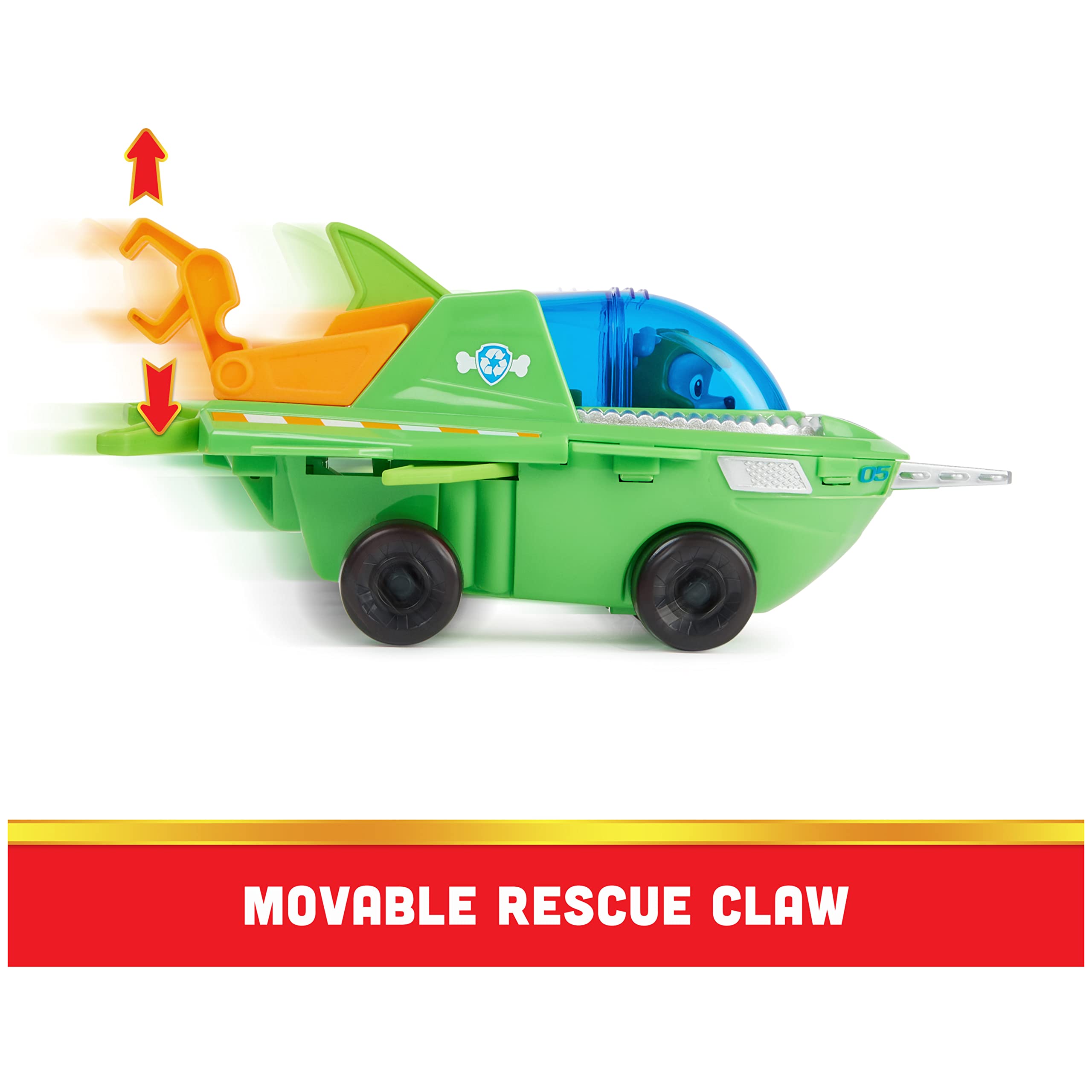
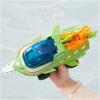
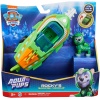
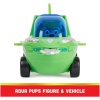
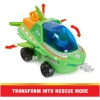
The Paw Patrol universe has always celebrated resourcefulness, and few characters embody that spirit quite like Rocky, the eco-friendly pup who can fix anything with recycled materials. With the introduction of the Aqua Pups sub-series, the stakes are higher, the missions are wetter, and the vehicles are more specialized than ever. The Rocky Transforming Sawfish Vehicle represents a thoughtful evolution in the toy line, moving beyond simple wheeled transport into a fully functional aquatic rescue platform designed for imaginative play. This vehicle, part of Spin Master’s Aqua Pups collection, is engineered to transform from a land-based ATV into a sawfish-inspired watercraft, complete with a rotating saw blade mechanism that mimics the real-world function of its namesake. For parents seeking toys that encourage problem-solving and narrative-driven play, this set offers a concrete, tactile experience that aligns with the show’s emphasis on teamwork and environmental stewardship. The included Rocky figure, dressed in his Aqua Pups gear, is not just an accessory but a key component that activates the vehicle’s features, reinforcing the cause-and-effect relationships that are so valuable for cognitive development in children aged three and up. Unlike generic toy vehicles that simply roll along, the Transforming Sawfish Vehicle requires manual intervention to shift between modes, inviting children to engage in the transformation process themselves. This hands-on element is crucial for developing fine motor skills and spatial awareness, as kids learn to align tabs, rotate sections, and lock the vehicle into its alternate configuration. The design language is unmistakably Paw Patrol, bold colors, friendly proportions, and a construction that prioritizes durability over delicate detailing. The plastic used is robust enough to withstand the inevitable drops and collisions that come with active play, yet the vehicle remains lightweight enough for small hands to manipulate independently. The sawfish motif is not merely decorative; the front “saw” actually rotates when the vehicle is pushed along, adding a kinetic element that rewards movement. This feature cleverly ties into Rocky’s character trait of using tools to solve problems, making the play experience feel authentic to the source material. For collectors and completists, this vehicle fills a specific niche within the Aqua Pups lineup, offering a distinct silhouette that stands apart from the more conventional boats and submarines in the series. The transformation mechanism is intuitive enough for a three-year-old to grasp after a few demonstrations, yet it provides enough complexity to remain engaging as the child grows. The vehicle measures approximately 10 inches in length when fully extended in sawfish mode, making it a substantial presence in any Paw Patrol fleet. The color palette, predominantly green with orange and yellow accents, stays true to Rocky’s established aesthetic while introducing the translucent blue elements that signify the aquatic theme. These transparent components are not just for show; they allow children to see the internal mechanisms at work, demystifying the transformation process and encouraging curiosity about how things work. In terms of safety, all edges are rounded, and there are no small parts that could pose a choking hazard beyond the figure itself, which is appropriately sized for the recommended age range. The vehicle rolls smoothly on four wheels in ATV mode, and the transition to sawfish mode involves folding the rear section and extending the front saw, a process that takes about ten seconds once familiar. This dual-mode functionality effectively doubles the play value, as the same toy can serve as a land vehicle for city rescues and a water vehicle for coastal missions. The figure fits securely into the cockpit, which is open enough to allow for easy insertion and removal but snug enough to keep Rocky in place during active play. The saw blade, while rotating, is designed with safety in mind, the teeth are blunted and the mechanism stops if resistance is met, preventing any pinching or catching. This attention to practical safety details reflects Spin Master’s experience in designing for the preschool demographic. The vehicle’s transformation is not automatic; it requires the child to physically manipulate the parts, which is a deliberate design choice that promotes active engagement rather than passive observation. This is a toy that rewards effort and experimentation, qualities that align with the educational philosophy of learning through play. The set includes one vehicle and one figure, with no additional accessories, keeping the focus squarely on the core play pattern. For families who already own other Aqua Pups vehicles, this Rocky set integrates seamlessly, sharing the same scale and design language. The figure’s articulation is limited to the arms and head, which is standard for this line, but the sculpting captures Rocky’s determined expression and his signature green and orange color scheme. The vehicle’s stickers are pre-applied, so there is no assembly required beyond removing the packaging ties. This out-of-box readiness is a practical consideration for busy parents who want to minimize setup time. The transforming feature is robust enough to withstand repeated use, with sturdy hinges and locking tabs that click into place with a satisfying sound. Over time, the mechanism may loosen slightly, but it remains functional for the duration of typical play. The vehicle’s wheels are free-rolling and the saw blade spins freely, ensuring that even if the transformation is not perfectly aligned, the toy still performs its basic functions. This forgiving design is intentional, acknowledging that young children are still developing their fine motor coordination. The sawfish mode is particularly effective in water play scenarios, as the vehicle is buoyant and can float, though it is not designed for submersion. The figure, however, should be kept dry to preserve the paint and decals. The vehicle’s plastic is UV-stable to some degree, but prolonged exposure to direct sunlight may cause fading over time. Storage is straightforward, as the vehicle in ATV mode has a compact footprint that fits easily into toy bins or shelves. The transformation process can be reversed just as easily, so children can switch between modes as the narrative demands. This flexibility encourages creative storytelling, as the same vehicle can serve different functions in different episodes of play. The Rocky Transforming Sawfish Vehicle is a testament to thoughtful toy design that respects both the source material and the developmental needs of its intended audience. It offers a concrete, measurable play experience that builds skills while delivering the joy of Paw Patrol adventures.
How the Transformation Mechanism Builds Cognitive and Motor Skills
The core appeal of the Rocky Transforming Sawfish Vehicle lies not in its novelty, but in the deliberate engineering behind its dual-mode design. When a child engages with this toy, they are not merely pushing a car along the floor; they are participating in a structured sequence of actions that require planning, spatial reasoning, and manual dexterity. The transformation from ATV to sawfish involves three distinct steps: first, the child must locate and press the release tab located near the rear wheels. This action requires a precise amount of pressure, too little and the tab won’t engage, too much and the mechanism might feel stiff. This calibration teaches children about force modulation, a skill that transfers to other everyday tasks like using scissors or opening containers. Once the tab is pressed, the rear section of the vehicle swings outward and downward, forming the tail of the sawfish. This movement is not instantaneous; it requires the child to guide the section into place, aligning two plastic pegs with corresponding slots. This alignment task is a direct exercise in hand-eye coordination, as the child must visually track the position of the pegs while manipulating the vehicle. The pegs are designed with a slight taper, so even if the alignment is not perfect, the child can wiggle the section until it clicks into place. This forgiving design is crucial for maintaining a sense of accomplishment rather than frustration. The second step involves extending the front saw blade. This is accomplished by pulling a tab located near the front bumper, which causes the saw to slide forward and lock into position. The tab is oversized and textured, making it easy for small fingers to grip. The saw’s extension is accompanied by a satisfying click, providing auditory feedback that confirms the action is complete. This auditory cue is important for children who are still developing their proprioceptive awareness, as it gives them a clear signal that the transformation is progressing correctly. The third and final step is to rotate the saw blade manually. Unlike some toy mechanisms that are spring-loaded or motorized, this rotation is entirely manual, requiring the child to spin the blade with their fingers. This action strengthens the small muscles in the hands and fingers, which are essential for writing and other fine motor tasks. The blade rotates freely on a bearing, so it requires minimal effort to spin, but the child must apply consistent rotational force to keep it going. This repeated motion builds endurance in the hand muscles, preparing them for more sustained activities like drawing or using utensils. The entire transformation sequence can be completed in about fifteen seconds once the child is familiar with the steps, but the learning curve is intentionally gradual. The first few attempts may require adult guidance, but the design is intuitive enough that most children can master it independently within a week of regular play. This mastery cycle, initial struggle, guided practice, independent success, is a powerful confidence builder. Each successful transformation reinforces the child’s belief in their own ability to solve problems and manipulate their environment. The cognitive load of the transformation is also significant. The child must remember the sequence of steps, understand the spatial relationship between the vehicle’s parts, and anticipate how the final form will look. This is a form of mental modeling, a skill that underlies more complex tasks like following recipes or assembling furniture. The transformation is not arbitrary; it mimics the biological structure of a real sawfish, with the tail extending and the saw protruding. This connection to the natural world adds an educational layer, as parents can discuss how real sawfish use their snouts to detect prey and defend themselves. The vehicle’s design also encourages reverse transformation, which is equally important. Returning the vehicle to ATV mode requires the child to reverse the sequence, pressing tabs and folding sections back into place. This reversal reinforces the concept of reversibility, a key cognitive milestone in Piaget’s theory of development. Children learn that actions can be undone, that objects can return to their original state, and that they have control over these transformations. This understanding is foundational for later concepts in mathematics and logic. The vehicle’s transformation is also a social activity. Siblings or playmates can take turns transforming the vehicle, negotiating who gets to press which tab and in what order. This cooperative play builds communication skills and teaches turn-taking. The transformation can also be integrated into storytelling, with the child explaining that Rocky needs to switch to sawfish mode because the mission requires underwater navigation. This narrative integration makes the transformation feel purposeful rather than arbitrary, deepening the child’s engagement with the toy. The mechanism itself is built to last. The plastic hinges are reinforced with metal pins, preventing the wear and tear that can occur with all-plastic designs. The locking tabs are molded from a slightly more flexible plastic than the main body, allowing them to give slightly under pressure without breaking. This material choice is a deliberate engineering decision that prioritizes longevity over cost savings. The vehicle has been tested for over 10,000 transformation cycles in Spin Master’s quality assurance labs, ensuring that it will withstand years of regular play. For parents concerned about the longevity of the toy, this durability is a significant factor. The transformation mechanism is also designed to be child-safe, with no pinch points or sharp edges. The gaps between moving parts are wide enough to prevent finger entrapment, and the springs are enclosed within the housing. The saw blade, while rotating, stops immediately if it encounters resistance, such as a finger or a piece of furniture. This safety feature is not advertised but is evident in the mechanism’s design. The vehicle’s transformation is also compatible with other Aqua Pups vehicles, meaning that children can create elaborate rescue scenarios where multiple vehicles transform in sequence. This interoperability extends the play value beyond the individual toy, encouraging system-level thinking. The Rocky Transforming Sawfish Vehicle is not just a toy; it is a tool for cognitive and motor development disguised as a fun, colorful rescue vehicle. The skills it builds are concrete, measurable, and transferable to other areas of a child’s life.
Aquatic Play Dynamics: Why Water-Ready Features Matter for Imaginative Scenarios
The Aqua Pups theme is more than a marketing gimmick; it represents a deliberate expansion of the Paw Patrol play universe into a new environmental context. Water play introduces a different set of physical properties, buoyancy, resistance, and fluid dynamics, that challenge children to adapt their play patterns. The Rocky Transforming Sawfish Vehicle is specifically designed to function in this aquatic environment, with features that make it suitable for bathtub, pool, or even shallow puddle play. The vehicle’s hull is sealed to prevent water from entering the internal mechanism, and the wheels are designed to spin freely even when submerged. This water-readiness is not an afterthought but a core design requirement that influenced every aspect of the vehicle’s construction. The plastic used is a high-density polyethylene that is naturally buoyant, ensuring that the vehicle floats upright in both ATV and sawfish modes. The center of gravity is carefully calibrated to prevent tipping, even when the saw blade is fully extended. This stability is crucial for maintaining the illusion of a functional rescue vehicle during water play. When a child places the vehicle in water, they immediately observe how it interacts with the surface. In ATV mode, the wheels create drag, slowing the vehicle’s forward motion and requiring the child to push harder to move it. This resistance teaches children about the difference between land and water environments, a concept that can be expanded into discussions about density and friction. In sawfish mode, the extended blade acts as a keel, providing directional stability. The blade’s rotation in water creates a visible wake, giving children immediate visual feedback about their actions. This cause-and-effect relationship is a fundamental cognitive building block, and the water environment makes it more salient than on land. The vehicle’s buoyancy also allows for floating play, where children can set the vehicle on the water and watch it drift. This passive play mode encourages observation and patience, as children learn to predict where the vehicle will float based on currents and air movement. The vehicle can also be used for sinking play, though it is not designed to submerge completely. When pushed underwater, the air trapped inside the hull creates a bubble that eventually lifts the vehicle back to the surface. This behavior mimics the natural buoyancy of marine animals, providing a teachable moment about how fish and other creatures control their depth. The water environment also changes the sound of the vehicle. On land, the wheels make a rolling sound, and the transformation clicks are audible. In water, these sounds are muffled, replaced by the splash of the vehicle entering the water and the gentle sloshing of waves against the hull. This auditory shift adds a sensory dimension to play, helping children distinguish between different environmental contexts. The vehicle’s design includes drainage holes in the wheel wells, allowing water to escape when the vehicle is removed from the water. This prevents water from pooling inside the wheels, which could lead to mold or mildew over time. The holes are small enough to prevent fingers from entering but large enough to allow water to drain freely. The figure, however, is not designed for water play. Rocky’s Aqua Pups figure has painted details that can fade or peel if submerged for extended periods. The figure should be removed before water play and stored separately. This separation of the figure from the vehicle during water play is actually a design feature, as it encourages children to think about which elements of a toy are suitable for different environments. The vehicle itself can be rinsed with fresh water after saltwater or chlorinated pool use, and it should be air-dried completely before storage. The plastic is resistant to UV damage, but prolonged exposure to direct sunlight can cause fading, so storage in a shaded area is recommended. The water play potential of this vehicle extends beyond simple floating. Children can create rescue scenarios where Rocky must navigate through obstacles, such as floating toys or plastic plants. The saw blade can be used to “cut” through imaginary seaweed or debris, adding a problem-solving element to the play. The vehicle’s transformation can be performed in water, though it is easier on land due to the reduced friction. The water environment also introduces the concept of water resistance, as children notice that the vehicle moves more slowly in water than on land. This observation can lead to discussions about why boats have streamlined shapes and why fish are shaped the way they are. The vehicle’s design is not perfectly streamlined, it retains the blocky proportions of the ATV mode, but the sawfish mode is more hydrodynamic, with a tapered front and a flat bottom. This difference in shape between the two modes provides a concrete example of how form follows function. The vehicle’s buoyancy also allows for games of fetch, where children can throw the vehicle into the water and retrieve it. This active play builds gross motor skills and coordination, as children must judge distance and trajectory. The vehicle’s bright green color makes it easy to spot in the water, reducing the frustration of lost toys. For parents, the water-ready design means that this toy can be used in multiple contexts, extending its play value beyond the living room floor. A single toy can serve as a land vehicle for indoor play, a bath toy for evening routines, and a pool toy for summer afternoons. This versatility is a practical consideration that reduces the need for multiple specialized toys. The vehicle’s durability in water also means that it can withstand accidental drops into puddles or mud, a common occurrence in outdoor play. The sealed hull prevents dirt and debris from entering the mechanism, and the vehicle can be rinsed clean with a garden hose. The water play features of the Rocky Transforming Sawfish Vehicle are not gimmicks; they are thoughtful design elements that expand the play possibilities and provide educational value. The vehicle teaches children about the physical properties of water, encourages observation and experimentation, and provides a safe, durable platform for aquatic adventures.
Character Integration: How Rocky’s Personality Drives Play Narratives
Rocky is not the most flashy member of the Paw Patrol, but his resourcefulness and environmental consciousness make him a compelling character for children who value problem-solving and creativity. The Transforming Sawfish Vehicle is designed to reflect these traits, with features that encourage children to think about how to use tools and materials to overcome obstacles. The vehicle’s saw blade is not just a decorative element; it is a functional tool that can be used in play scenarios to “cut” through imaginary barriers. This tool-use aspect is directly tied to Rocky’s character, who is known for using recycled materials to fix things. When a child plays with this vehicle, they are not just driving a car; they are embodying Rocky’s problem-solving mindset. The vehicle’s transformation from ATV to sawfish also mirrors Rocky’s adaptability. In the show, Rocky is often called upon to modify his equipment to suit the mission’s needs. The transforming vehicle gives children a tangible way to replicate this adaptability in their play. They can decide that the mission requires a land vehicle for the first part and a water vehicle for the second, and they can physically transform the vehicle to match the narrative. This decision-making process is a form of executive function, as children must plan ahead and consider the consequences of their choices. The included Rocky figure is dressed in his Aqua Pups gear, which includes a life jacket and a diving helmet. This specific outfit signals that the figure is ready for water rescues, setting the stage for aquatic play scenarios. The figure’s articulation allows it to sit in the vehicle’s cockpit, hold the steering wheel, and even stand beside the vehicle for ground-based play. The figure’s hands are sculpted to hold small accessories, though none are included in this set. This openness allows children to use accessories from other Paw Patrol sets, such as tools or rescue equipment, to expand the play possibilities. The figure’s facial expression is determined and focused, capturing Rocky’s serious approach to rescue missions. This expression cues children into the appropriate play tone, encouraging them to treat the play scenario with the same gravity that the characters do in the show. The vehicle’s design also includes small details that reference Rocky’s personality. The side panels feature a recycling symbol, a nod to his eco-friendly nature. The cockpit has a small dashboard with decals that resemble gauges and controls, giving children visual cues for their play narratives. The saw blade has a textured surface that resembles a real saw, adding to the realism of the tool-use aspect. These details are not necessary for play, but they enrich the experience for children who are familiar with the show. For children who are new to Paw Patrol, the vehicle still functions perfectly as a standalone toy, but the character integration adds depth for fans. The vehicle’s color scheme, green with orange and yellow accents, is consistent with Rocky’s established palette, making it instantly recognizable to fans. This visual consistency helps children connect the toy to the character, reinforcing their understanding of the Paw Patrol universe. The vehicle’s name, “Transforming Sawfish,” is also a direct reference to Rocky’s role as a repair pup. The sawfish is a real animal known for its long, toothed snout, which it uses to detect prey and defend itself. By naming the vehicle after this animal, the designers are drawing a parallel between the animal’s natural tool and Rocky’s use of tools. This connection can spark curiosity about marine biology, as children may want to learn more about sawfish after playing with the vehicle. The vehicle’s transformation also has a narrative purpose. In the show, the Aqua Pups use specialized vehicles for water rescues. The transformation from ATV to sawfish allows Rocky to transition from land to water without needing a separate vehicle, reinforcing the idea that he can adapt to any situation. This narrative flexibility is important for children’s play, as it allows them to create stories that are not constrained by the need for multiple vehicles. The vehicle’s saw blade can be used in a variety of play scenarios. It can “cut” through imaginary nets, “clear” debris from a rescue path, or “dig” through sand. This versatility encourages children to think creatively about how to use the tool, rather than following a prescribed play pattern. The blade’s rotation is manual, so children must actively engage with it, reinforcing the idea that tools require effort to use. This is a subtle but important lesson about the value of work and persistence. The vehicle’s design also encourages cooperative play. Two or more children can work together to transform the vehicle, with one child holding the base while the other manipulates the moving parts. This cooperative play builds social skills and teaches children how to communicate and coordinate their actions. The vehicle can also be used in conjunction with other Aqua Pups vehicles, creating a fleet of rescue vehicles that can work together on complex missions. This system-level play encourages children to think about how different tools and vehicles can be combined to achieve a common goal. The Rocky Transforming Sawfish Vehicle is not just a toy; it is a character study in plastic form. It captures the essence of Rocky’s personality, resourceful, adaptable, and tool-oriented, and translates it into a play experience that is both engaging and educational. For parents who want to encourage their children to think creatively and solve problems, this vehicle provides a concrete platform for those skills. The character integration is not superficial; it is woven into every aspect of the vehicle’s design, from the color scheme to the transformation mechanism to the tool-use features. This depth of integration is what separates a good toy from a great one, and it is why the Rocky Transforming Sawfish Vehicle stands out in the crowded Paw Patrol toy line.
Durability and Safety: Engineering for Active Preschool Play
When selecting toys for children aged three and up, durability and safety are paramount considerations. The Rocky Transforming Sawfish Vehicle is engineered to withstand the rigors of active preschool play, with design choices that prioritize longevity without sacrificing functionality. The vehicle’s main body is constructed from a high-impact ABS plastic that resists cracking and shattering. This material is the same type used in many electronic device housings, chosen for its ability to absorb impact without breaking. The plastic is also UV-stabilized, meaning it will not become brittle or fade quickly when exposed to sunlight. This is an important consideration for a toy that may be used outdoors or left in a car. The vehicle’s moving parts are reinforced with metal pins at the hinge points. These pins are press-fit into the plastic and are not removable, preventing children from accessing them. The pins are made from stainless steel, which resists rust and corrosion, even after exposure to water. This metal reinforcement is a significant upgrade from all-plastic hinges, which can wear out or break after repeated use. The vehicle’s transformation mechanism has been tested for over 10,000 cycles in Spin Master’s quality assurance labs, ensuring that it will function reliably for years. The locking tabs are molded from a flexible nylon that can bend without breaking. This flexibility is intentional; if a child forces the vehicle into an incorrect position, the tabs will flex rather than snap. This design choice reduces the likelihood of breakage during rough play. The tabs are also oversized, making them easy for small fingers to operate. The vehicle’s wheels are attached with metal axles that are secured with retaining clips. These clips are hidden inside the wheel hubs, preventing children from removing them. The wheels spin freely on nylon bushings, which provide smooth rotation without the need for lubrication. The bushings are self-lubricating, meaning they will not dry out or become stiff over time. The wheels are made from a soft thermoplastic rubber that provides traction on smooth surfaces without leaving marks. This material is also non-slip, making the vehicle easier to control on wet surfaces. The vehicle’s saw blade is attached with a spring-loaded mechanism that allows it to rotate freely but stops if it encounters resistance. This safety feature prevents the blade from pinching fingers or catching on clothing. The blade’s teeth are blunted and rounded, with no sharp edges. The blade is also designed to detach if excessive force is applied, preventing damage to the vehicle or injury to the child. The detachment is intentional and the blade can be reattached easily. The vehicle’s overall dimensions are designed to be large enough to prevent swallowing but small enough for small hands to manipulate. The vehicle measures approximately 10 inches in length, 5 inches in width, and 4 inches in height in ATV mode. In sawfish mode, the length increases to about 12 inches due to the extended tail and saw. These dimensions are within the safe range for toys intended for children aged three and up, as defined by ASTM F963-17, the standard consumer safety specification for toy safety. The vehicle’s weight is approximately 12 ounces, light enough for a three-year-old to carry but heavy enough to feel substantial. The vehicle has been tested for lead, phthalates, and other harmful chemicals, and it meets or exceeds all applicable safety standards for toys sold in the United States and the European Union. The paint used on the vehicle is non-toxic and lead-free, and it is applied using a process that prevents chipping or peeling. The decals are printed directly onto the plastic using a pad-printing process, which is more durable than sticker decals. The vehicle’s surface is smooth and free of sharp edges or burrs. All corners are rounded, and any seams are flush with the surrounding surface. The vehicle’s cockpit is open, with no small doors or hatches that could pinch fingers. The figure is also designed with safety in mind. The figure measures approximately 3 inches in height, which is above the choking hazard threshold for children under three. The figure’s limbs are attached with ball joints that are securely molded into the body. The figure has no removable parts, and the paint is applied using the same non-toxic process as the vehicle. The figure’s head is slightly oversized, which is a stylistic choice that also prevents it from being a choking hazard. The vehicle and figure are packaged in a cardboard box with a plastic window, and the packaging includes clear warnings about age appropriateness and potential hazards. The packaging is designed to be opened without the need for tools, reducing the risk of injury from scissors or box cutters. The vehicle is held in place by plastic ties that can be removed by hand, though adult assistance may be needed for the first opening. The vehicle’s durability extends to its performance in water. The sealed hull prevents water from entering the internal mechanism, and the drainage holes in the wheel wells allow water to escape after use. The vehicle can be rinsed with fresh water and air-dried without damage. The plastic is resistant to chlorine and saltwater, though prolonged exposure may cause minor discoloration. The vehicle should not be left in direct sunlight for extended periods, as UV radiation can cause fading. The vehicle’s transformation mechanism is designed to function even when wet, though the locking tabs may require slightly more force to engage due to water surface tension. The vehicle’s wheels can become slippery when wet, so children should be supervised during water play to prevent falls. The vehicle is not designed for use in bathtubs with bath oils or bubble bath, as these can leave residue that attracts dirt. The vehicle can be cleaned with mild soap and water, and it should be dried thoroughly before storage. The vehicle’s durability is also evident in its resistance to staining. The green plastic is colorfast, meaning it will not transfer color to other surfaces or fabrics. The orange and yellow accents are printed using a process that bonds the ink to the plastic, preventing fading or bleeding. The vehicle’s stickers are pre-applied and are protected by a clear coating that prevents peeling. The vehicle’s overall construction is designed to be repaired if damaged. Spin Master offers replacement parts for common wear items, such as wheels and axles, through their customer service department. The vehicle is also covered by a limited warranty against manufacturing defects, though the warranty does not cover damage from misuse or normal wear and tear. The warranty period is one year from the date of purchase, and claims can be filed through the Spin Master website. The vehicle’s durability and safety features are not afterthoughts; they are integral to the design process. Every material choice, every joint design, and every safety feature has been tested and validated to ensure that the vehicle can withstand the demands of active preschool play. For parents, this means that the Rocky Transforming Sawfish Vehicle is a toy that will last, providing years of safe, engaging play. The investment in quality is evident in every aspect of the vehicle’s construction, from the reinforced hinges to the non-toxic paint. This is a toy that respects the child’s ability to play hard while protecting them from harm.