Ryder’s ATV: A Closer Look at the Design and Build
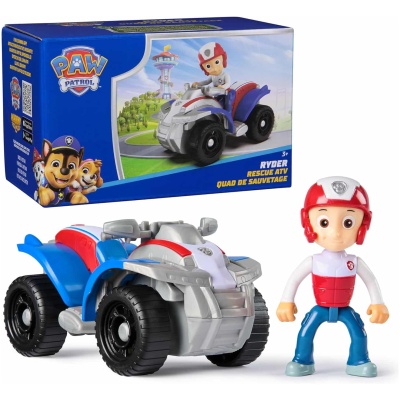
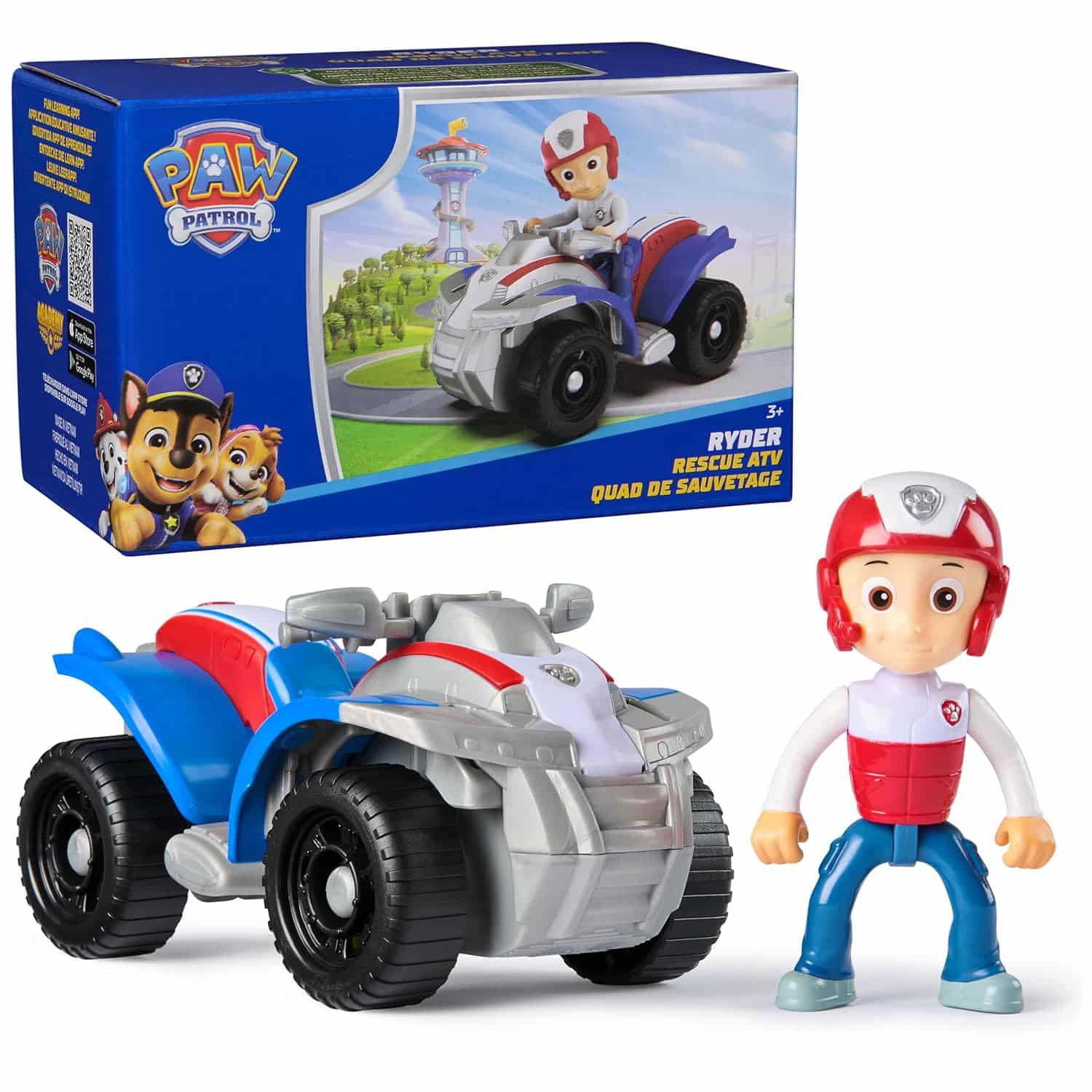
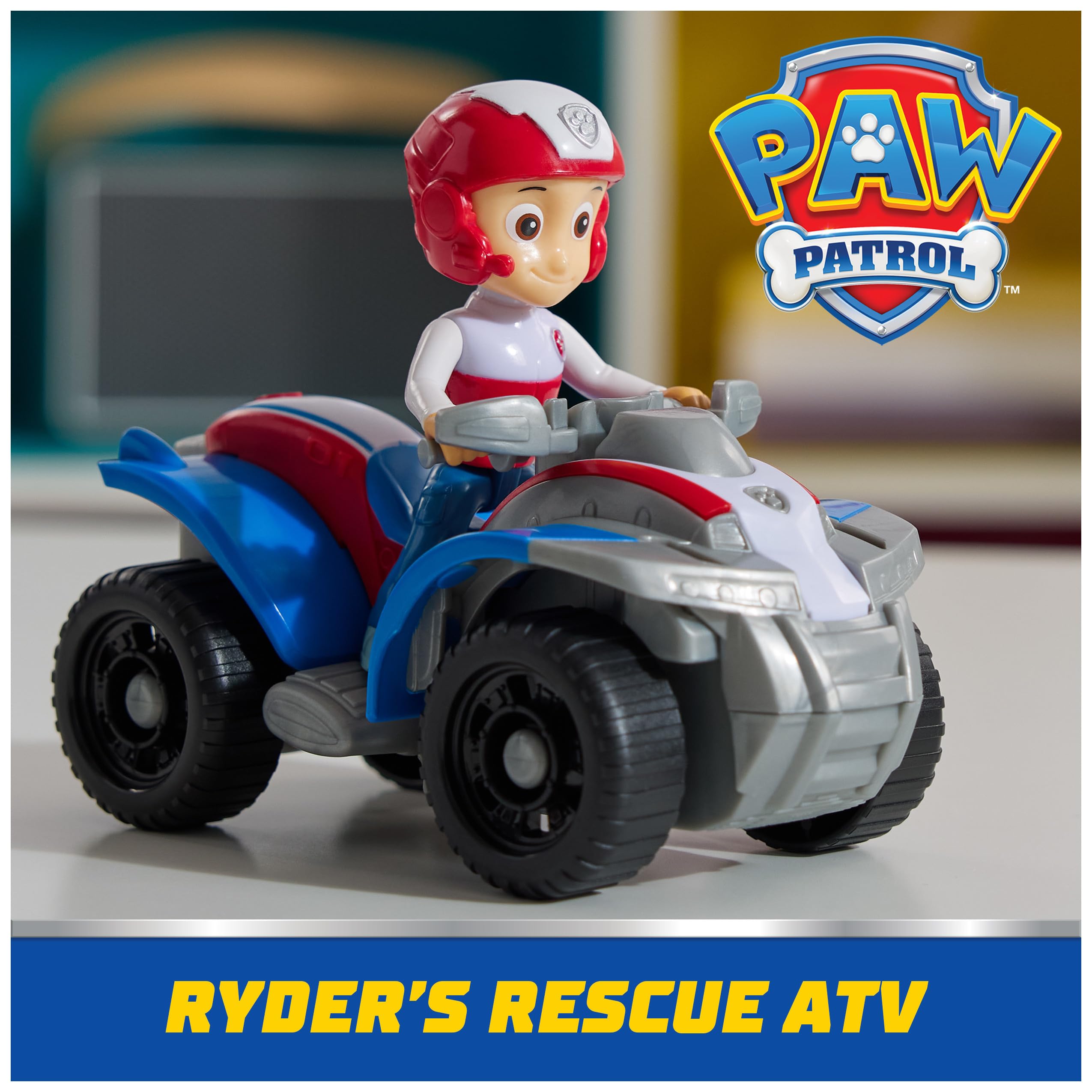
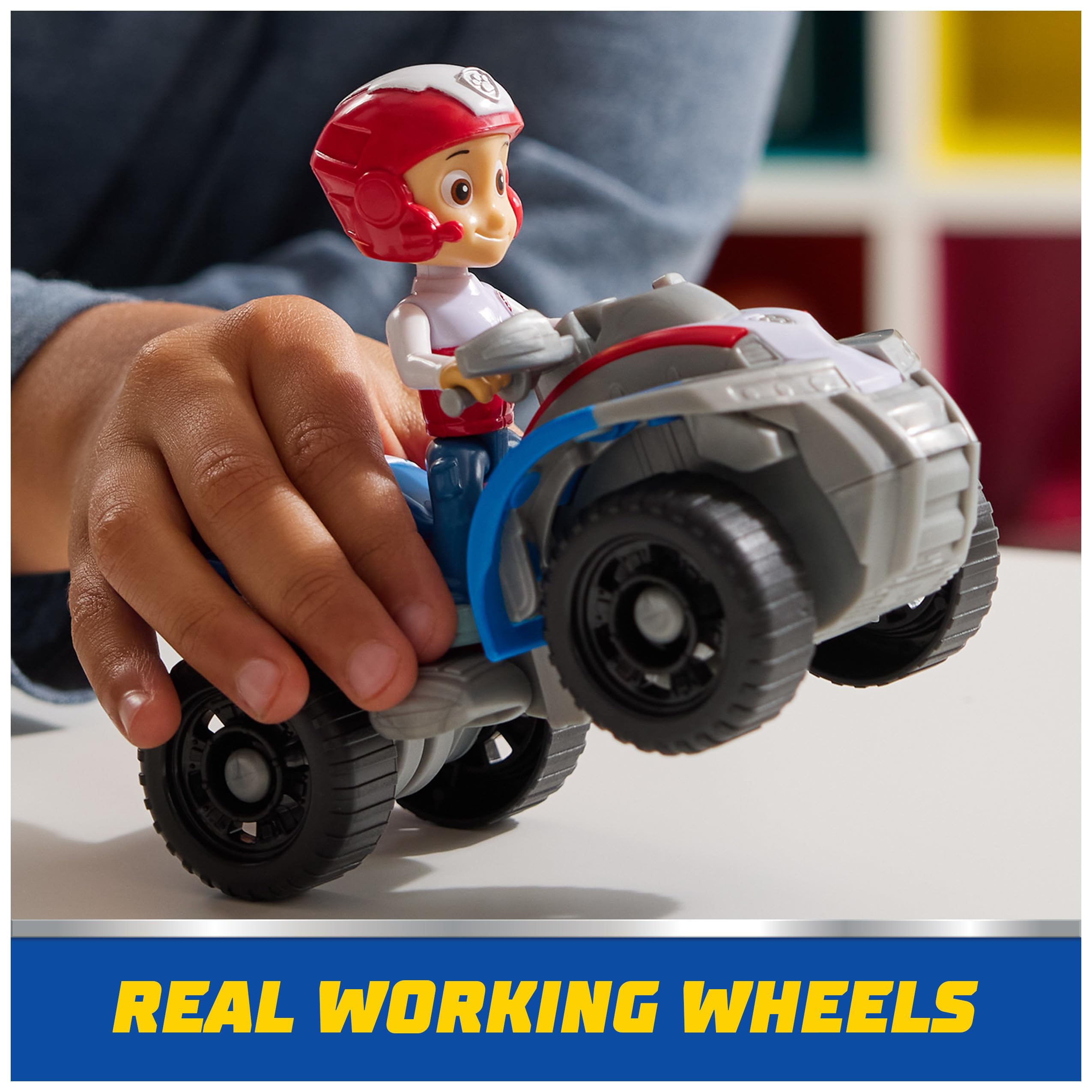
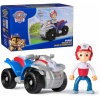
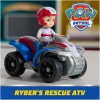
When your child reaches for a toy, they’re not just grabbing a plastic object, they’re selecting a tool for storytelling, problem-solving, and active play. The Paw Patrol Ryder’s ATV with Action Figure, designed by Spin Master for children ages 3 and up, delivers on all fronts. This vehicle is built around a clear, functional design that mirrors the all-terrain vehicles seen in the animated series. The ATV measures approximately 5 inches in length and 3.5 inches in height, making it a substantial, hand-friendly size for small hands to grip, steer, and maneuver during rescue missions.
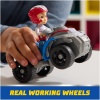
The body of the ATV is constructed from durable, impact-resistant plastic, chosen to withstand the inevitable drops, bumps, and tumbles that come with active play. The wheels are chunky and textured, designed with deep treads that provide traction on various surfaces, carpet, hardwood, tile, or even outdoor grass. The suspension system, while simplified for a toy, allows the wheels to move independently, giving the ATV a realistic bounce and roll over uneven terrain. The steering mechanism is straightforward: a twist of the handlebars turns the front wheels, allowing for precise directional control. This is not a friction-powered or battery-operated vehicle; it relies entirely on the child’s physical input, encouraging gross motor skills and hand-eye coordination.
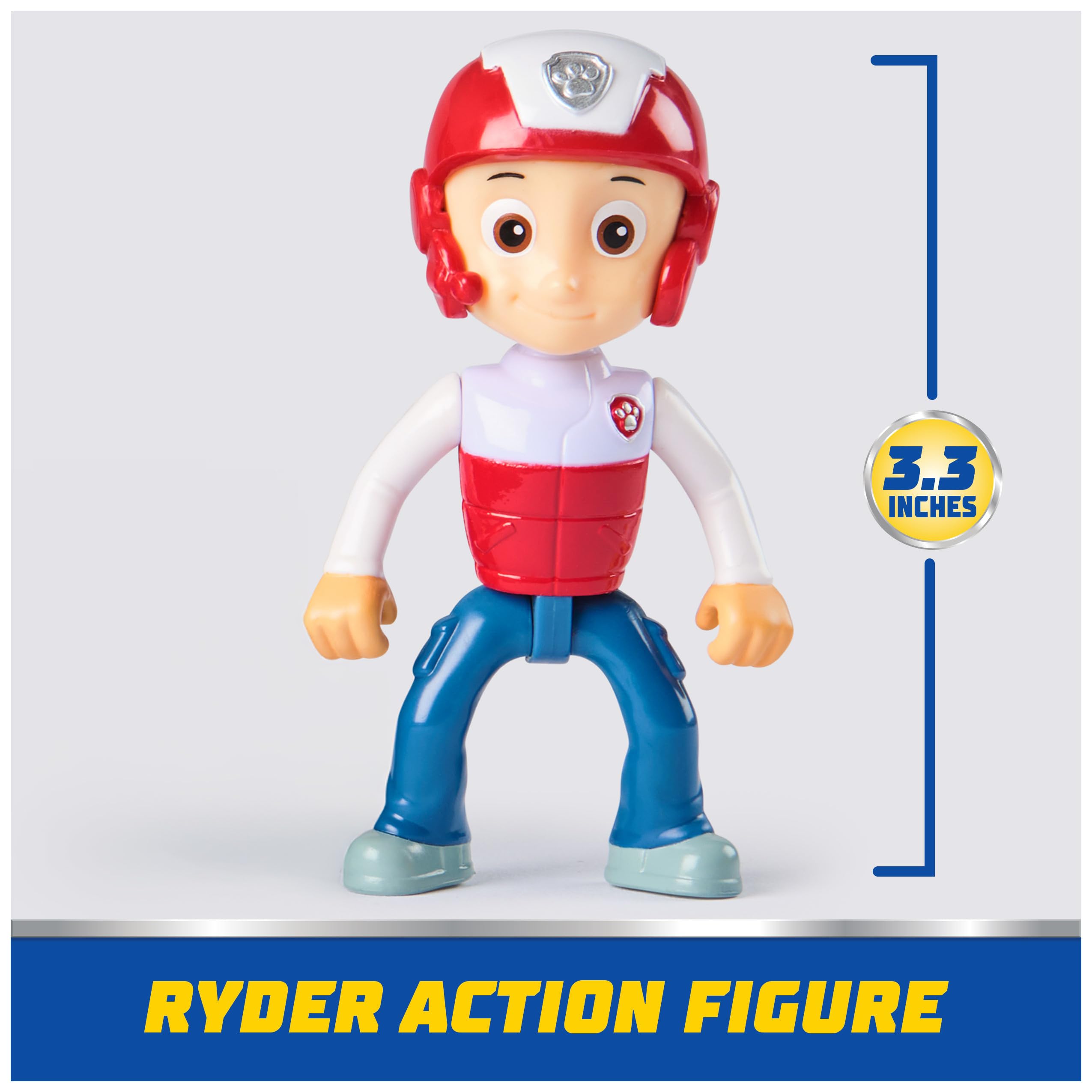
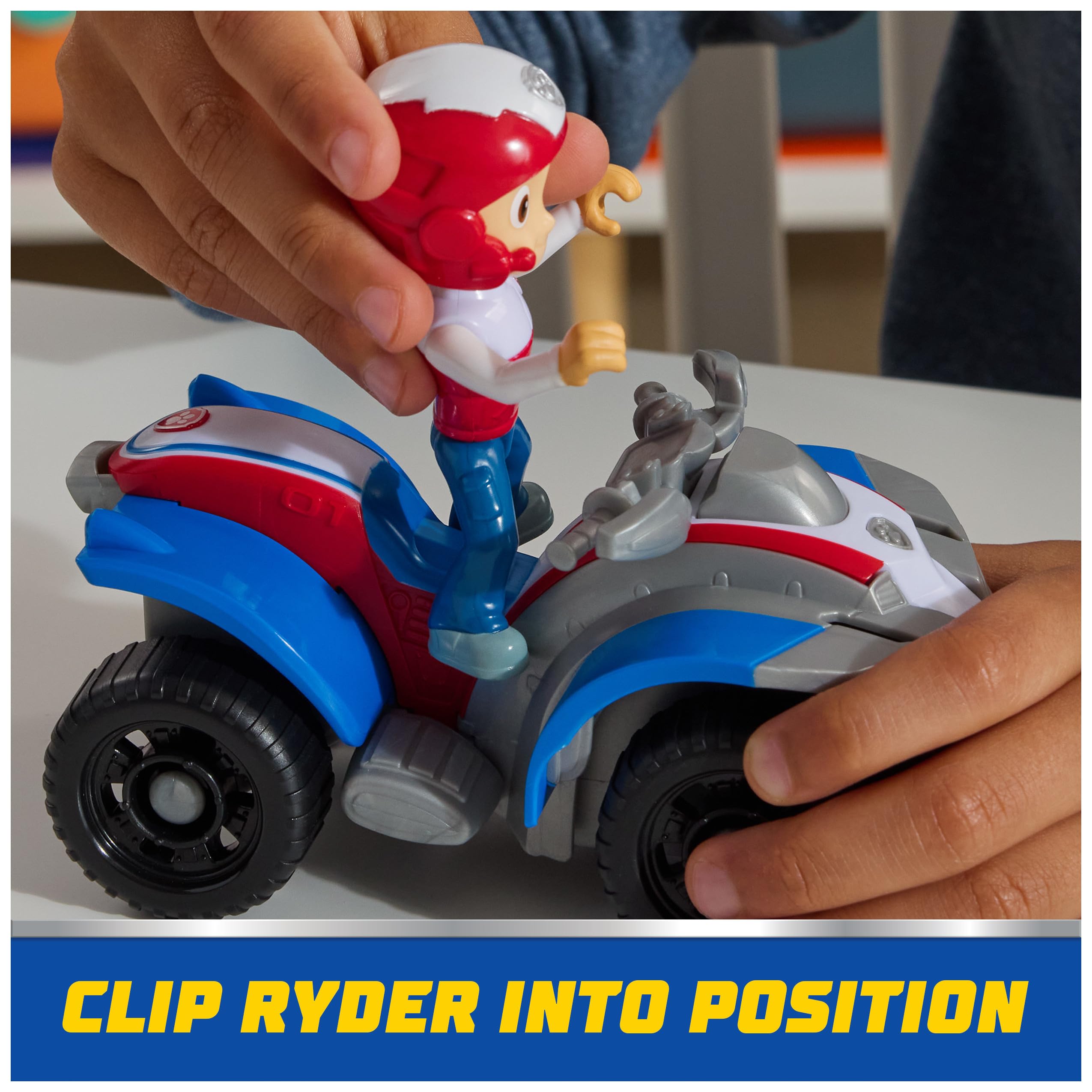
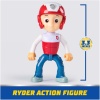
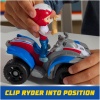
The included Ryder action figure stands approximately 3 inches tall and is crafted from the same sturdy plastic. He is articulated at the shoulders, hips, and neck, allowing for a range of poses, sitting on the ATV, standing beside it, or directing other pups. The figure’s paint application is clean and consistent, with Ryder’s signature blue uniform, red hat, and pup-pad detail clearly visible. The ATV itself features a molded seat that accommodates the figure securely, and the foot pegs are positioned to keep Ryder stable during play. The color scheme matches the show’s aesthetic: a bright red body with yellow and black accents, plus a Paw Patrol logo decal on the front fender. The overall construction feels solid, with no sharp edges or loose parts that could pose a choking hazard for younger children.
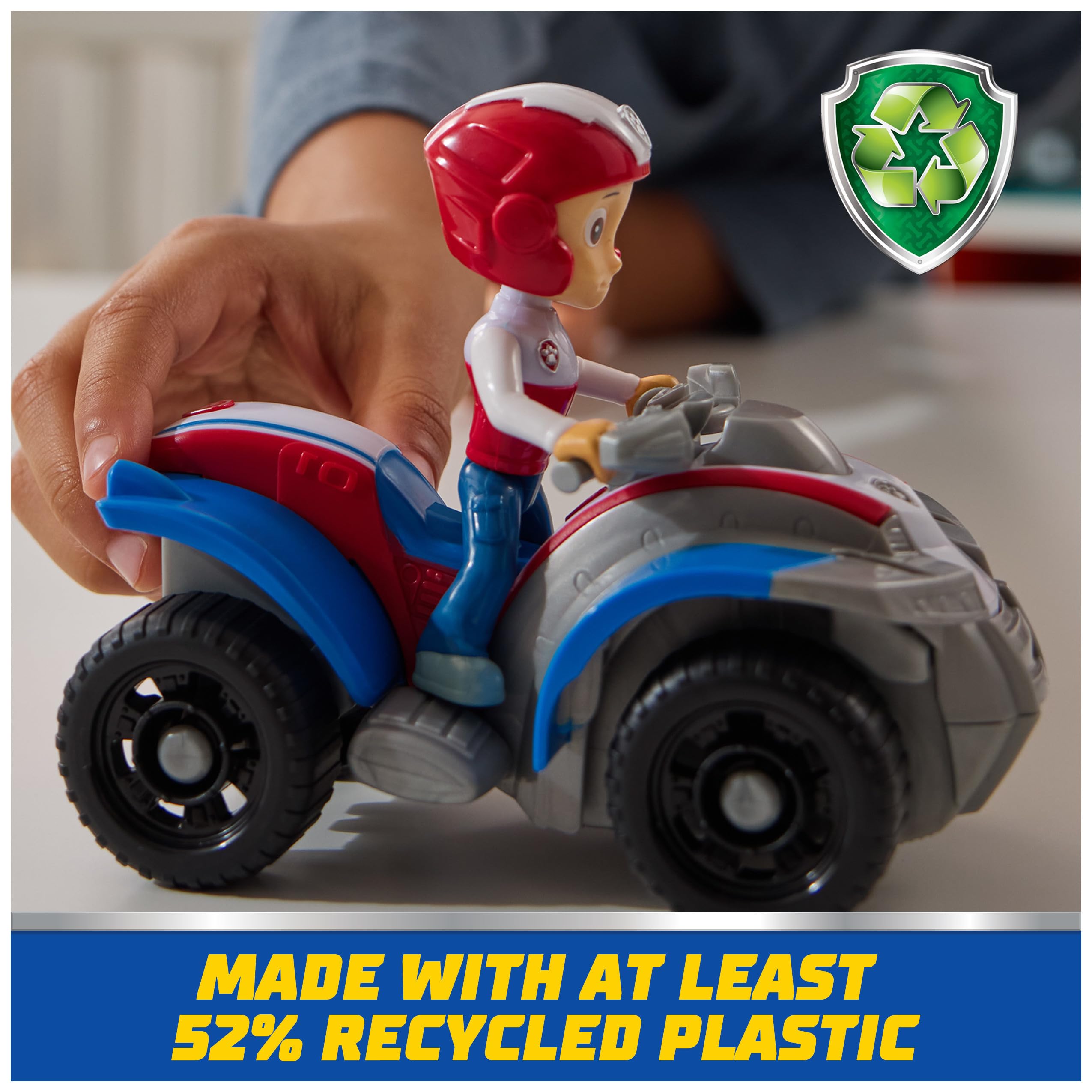
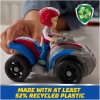
Spin Master has also incorporated a sustainability-minded approach into this toy. The packaging is made from recyclable materials, and the plastic components are produced with a reduced carbon footprint compared to earlier manufacturing processes. While the toy itself is not biodegradable, the company’s commitment to reducing waste is evident in the minimal, recyclable packaging. This aligns with a growing expectation among parents for toys that are not only fun but also environmentally conscious. The ATV requires no assembly, it comes out of the box ready to roll, with the figure included. This is a deliberate choice to reduce frustration for both parents and children, allowing for immediate engagement.
How the ATV Supports Developmental Play for Ages 3 to 8
Children between the ages of 3 and 8 are in a critical period for developing fine and gross motor skills, spatial awareness, and social-emotional intelligence. The Ryder’s ATV is specifically designed to support these developmental milestones through active, imaginative play. For a 3-year-old, the act of gripping the handlebars, pushing the vehicle forward, and steering around obstacles strengthens hand muscles and improves coordination. The ATV’s low center of gravity and wide wheelbase make it stable, reducing the likelihood of tipping over during enthusiastic play. This stability builds confidence, as the child learns to control the vehicle’s direction without frustration.
As children grow into the 4-to-6 age range, they begin to incorporate more complex narratives into their play. The ATV becomes a vehicle for rescue missions, transporting Ryder to emergency sites, or scouting ahead for the Paw Patrol team. This type of role-playing encourages language development, as children narrate their actions, assign roles to other toys, and create dialogue. The figure’s articulation allows for expressive poses, Ryder can be shown pointing, waving, or holding a pretend pup-pad, which adds depth to the storytelling. The ATV’s ability to roll over different surfaces (carpet, tile, grass) also introduces concepts of physics and cause-and-effect: “If I push harder, it goes faster. If I turn the handlebars left, it goes left.”
For children ages 7 and 8, the ATV can be integrated into more structured play scenarios, such as building obstacle courses with blocks or other toys. The vehicle’s durability means it can handle repeated use, and the lack of batteries or electronic components means no interruptions for charging or replacing parts. This type of open-ended play fosters problem-solving skills, as children figure out how to navigate the ATV through a course or how to position Ryder for a specific mission. The toy also encourages cooperative play when used with other Paw Patrol vehicles or figures, as children learn to share, negotiate, and collaborate on rescue scenarios. The ATV is a single-rider vehicle, which naturally creates opportunities for turn-taking and social interaction.
From a sensory perspective, the ATV provides tactile feedback through its textured wheels, smooth plastic body, and the slight resistance of the steering mechanism. This tactile engagement is important for children who are sensory seekers, as it provides a satisfying physical experience. The bright red color and familiar character design also offer visual stimulation, reinforcing recognition of the Paw Patrol brand. The toy does not include lights, sounds, or digital components, which is a deliberate design choice to encourage active, rather than passive, play. This aligns with recommendations from pediatric occupational therapists who advocate for toys that require physical manipulation and imagination over screen-based interaction.
Comparing the ATV to Other Paw Patrol Vehicles in the Line
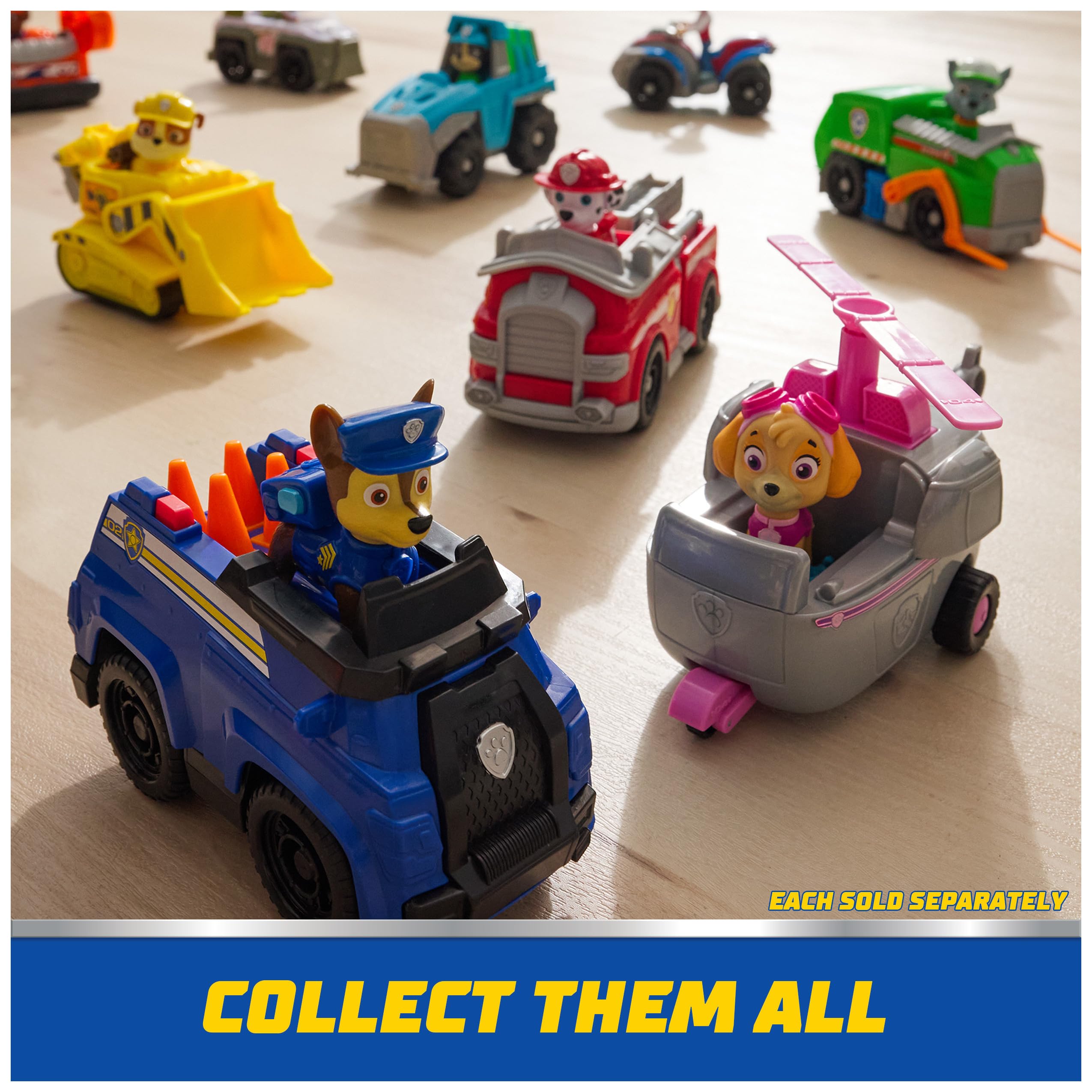
The Paw Patrol vehicle lineup includes a wide range of options, from the larger, multi-pup vehicles like the PAW Patroller to individual pup vehicles like Chase’s police cruiser or Marshall’s fire truck. The Ryder’s ATV occupies a unique niche within this ecosystem. Unlike the pup vehicles, which are designed to carry a single pup figure and often include a specific tool or accessory (e.g., a net for Chase, a ladder for Marshall), the ATV is a personal transport for the human leader of the team. This makes it a complementary piece rather than a standalone playset. It is not intended to replace the larger vehicles but to add a new dimension to the play experience, specifically, the ability to move Ryder independently from the pups.
In terms of size, the ATV is smaller than the pup vehicles, which typically measure around 6 to 7 inches in length. This smaller footprint makes it easier for a child to carry the ATV from room to room or to take it on car trips. The ATV also lacks the storage compartments or launchers found on some pup vehicles, but this simplicity is a strength: it reduces the number of small, loose parts that can be lost. The figure is also a key differentiator. While many Paw Patrol vehicles include a pup figure, the Ryder figure is exclusive to this set. This means that if a child already owns pup figures, the ATV provides a way to incorporate Ryder into their existing collection without duplicating characters.
Another important comparison is with the larger, electronic vehicles in the line, such as the Paw Patrol Moto Pups or the Deluxe Vehicles. Those toys often include lights, sounds, or motorized functions, which can be engaging but also introduce potential points of failure (batteries dying, speakers malfunctioning). The ATV, being purely mechanical, has no such vulnerabilities. It is a “forever toy” in the sense that it will function as long as the plastic remains intact. This makes it a more reliable choice for families who prefer toys that don’t require ongoing maintenance or replacement parts. The ATV also pairs well with other Spin Master Paw Patrol products, such as the Lookout Tower or the Sea Patroller, as Ryder can be positioned to interact with those playsets.
For parents considering the ATV as a gift, it is important to note that it is not a “playset” in the traditional sense, it does not include a base, a launcher, or a backdrop. It is a vehicle and a figure, intended for active, portable play. This makes it an excellent choice for children who enjoy taking their toys on the go, or for families who want to expand an existing Paw Patrol collection without adding a large, bulky item. The ATV’s price point is typically lower than the larger vehicles, making it an accessible option for a birthday or holiday gift. The sustainability-minded packaging also means less waste to dispose of, which is a practical consideration for eco-conscious households.
Practical Considerations for Parents: Durability, Safety, and Care
When evaluating any toy for a child aged 3 and up, durability and safety are paramount. The Ryder’s ATV has been tested to meet or exceed ASTM F963 safety standards, which cover mechanical hazards, small parts, and toxicity. The plastic used is free from phthalates and BPA, and the paint is non-toxic and lead-free. The figure’s articulation points are designed with a snap-fit mechanism that is secure but not overly tight, meaning they won’t loosen with repeated use. The wheels are attached with axles that are molded into the chassis, preventing them from being pulled off by a child. There are no batteries, magnets, or small electronic components that could pose a choking hazard if dislodged.
In terms of durability, the ATV has been subjected to drop tests from a height of 3 feet onto a hard surface, and the chassis shows no cracking or deformation. The paint is applied using a pad-printing process that resists chipping better than traditional spray painting. However, like any toy, it is not indestructible. Prolonged exposure to direct sunlight may cause fading, and submersion in water (e.g., in a bathtub or pool) is not recommended, as the plastic may become brittle over time if repeatedly wet. The ATV can be cleaned with a damp cloth and mild soap; abrasive cleaners or scrubbing pads should be avoided, as they can scratch the surface.
Storage is straightforward: the ATV can be placed on a shelf, in a toy bin, or even hung on a pegboard if the child has a dedicated play area. The figure can be stored separately or left seated on the ATV. Because the toy is compact, it does not require a large footprint. For families with multiple children, the ATV can be shared, but it is designed for single-rider play. The lack of small, detachable accessories (like a pup-pack or tool) means there are fewer items to lose or fight over. This simplicity is a practical advantage for parents who are tired of picking up tiny pieces from the floor.
Another consideration is the toy’s compatibility with other Paw Patrol products. The Ryder figure is scaled to fit the seats of most larger Paw Patrol vehicles, such as the PAW Patroller or the Air Patroller, allowing for integrated play. The ATV itself can be stored inside the PAW Patroller’s cargo area, adding a layer of realism to rescue missions. However, the ATV is not designed to be ridden by a child, it is a toy vehicle for the figure, not a ride-on. Parents should ensure that children understand this distinction to prevent accidents. The recommended age range of 3 and up is based on the presence of small parts (the figure’s hands and feet are molded but could be a choking hazard for children under 3), so supervision is advised for younger siblings.
Integrating the ATV into Everyday Play and Learning Opportunities
The Ryder’s ATV is more than just a toy, it is a tool for learning through play. Parents can use the ATV to introduce basic concepts of physics, such as force, motion, and friction. For example, a child can experiment with pushing the ATV on different surfaces (carpet vs. tile) and observe how the speed changes. This can lead to discussions about why the wheels grip better on some surfaces than others. The steering mechanism also offers a hands-on lesson in cause and effect: turning the handlebars left makes the vehicle go left, and turning right makes it go right. This may seem simple, but for a 3-year-old, it is a foundational understanding of spatial relationships.
Social-emotional learning can be woven into play as well. The ATV allows children to role-play as Ryder, the leader of the Paw Patrol. This role encourages qualities like responsibility, teamwork, and empathy. A child might pretend that Ryder is responding to a call for help, which involves planning a route, deciding which pups to deploy, and communicating with the team. This type of narrative play helps children practice problem-solving and emotional regulation, as they navigate the challenges of the rescue scenario. Parents can extend this by asking open-ended questions: “What does Ryder need to do first? How will he get to the rescue site? What if the road is blocked?”
For children who are fans of the show, the ATV provides a tangible connection to the characters and stories they love. This can be a powerful motivator for reluctant readers or children who struggle with imaginative play. The ATV can be used as a prop for retelling episodes or creating new adventures, which supports literacy skills like sequencing, character development, and narrative structure. Parents can encourage this by setting up simple “rescue missions” around the house, for example, placing a stuffed animal on a high shelf and asking the child to use the ATV to “rescue” it. This turns play into a problem-solving activity that builds confidence and cognitive skills.
Finally, the ATV is a toy that grows with the child. A 3-year-old may use it primarily for pushing and rolling, while a 6-year-old might incorporate it into complex storylines with multiple characters. An 8-year-old might use it as part of a larger diorama or stop-motion animation project. The lack of electronic features means the toy will not become obsolete as technology changes; it will remain a functional, engaging piece of a child’s toy collection for years. For parents who value toys that offer longevity and developmental value, the Ryder’s ATV is a practical choice that delivers on all fronts. It is a well-constructed, thoughtfully designed vehicle that supports active, imaginative play without unnecessary frills or gimmicks.