A First Bike Designed for Growing Confidence
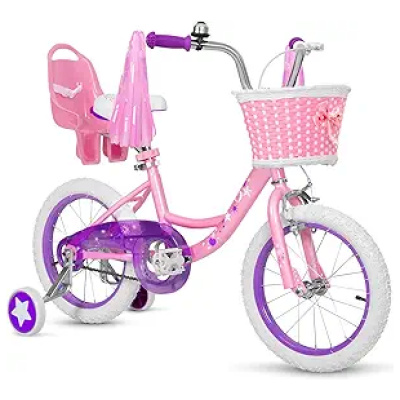
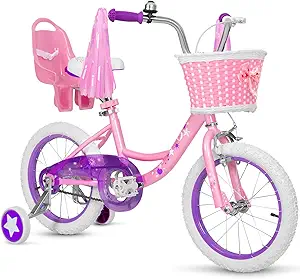
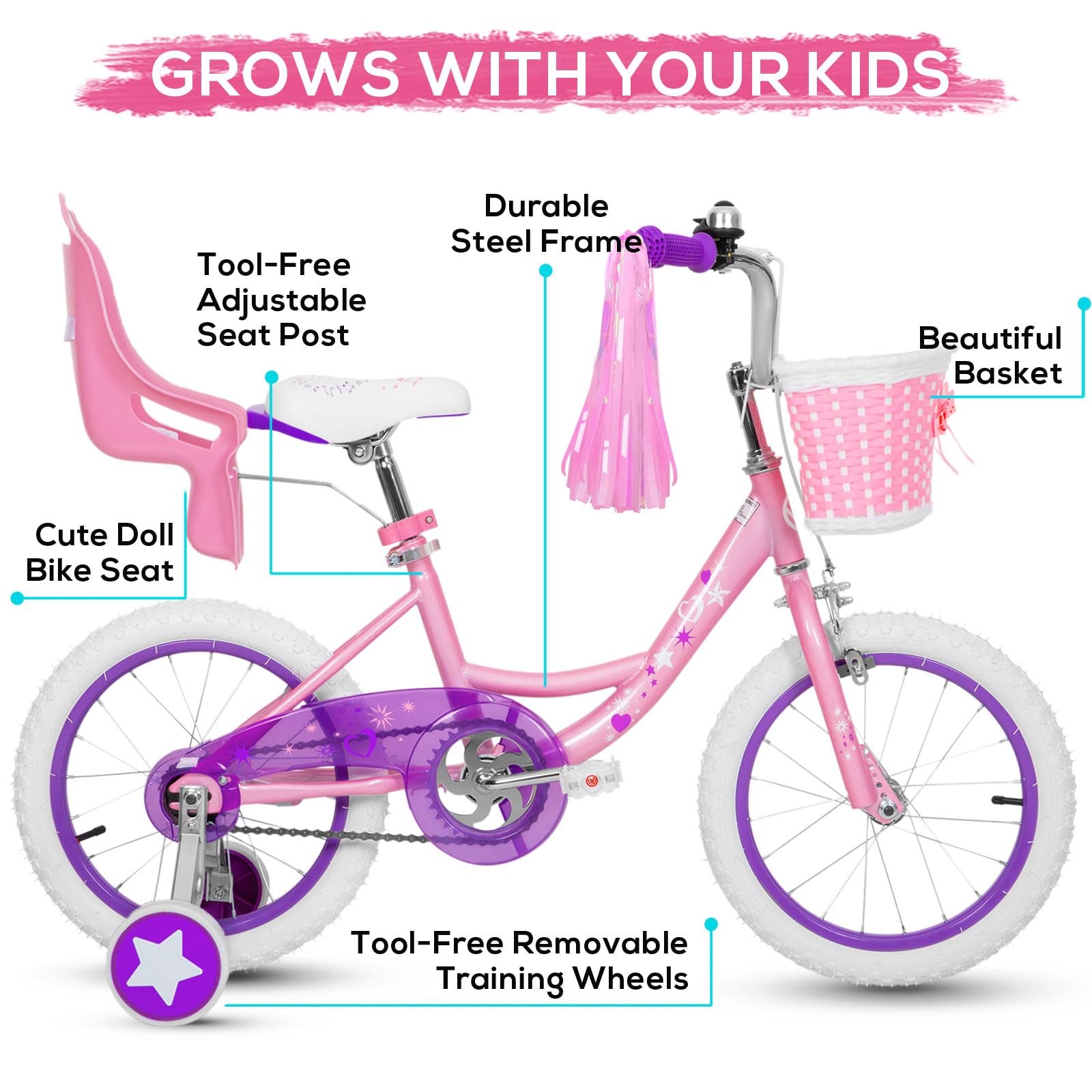
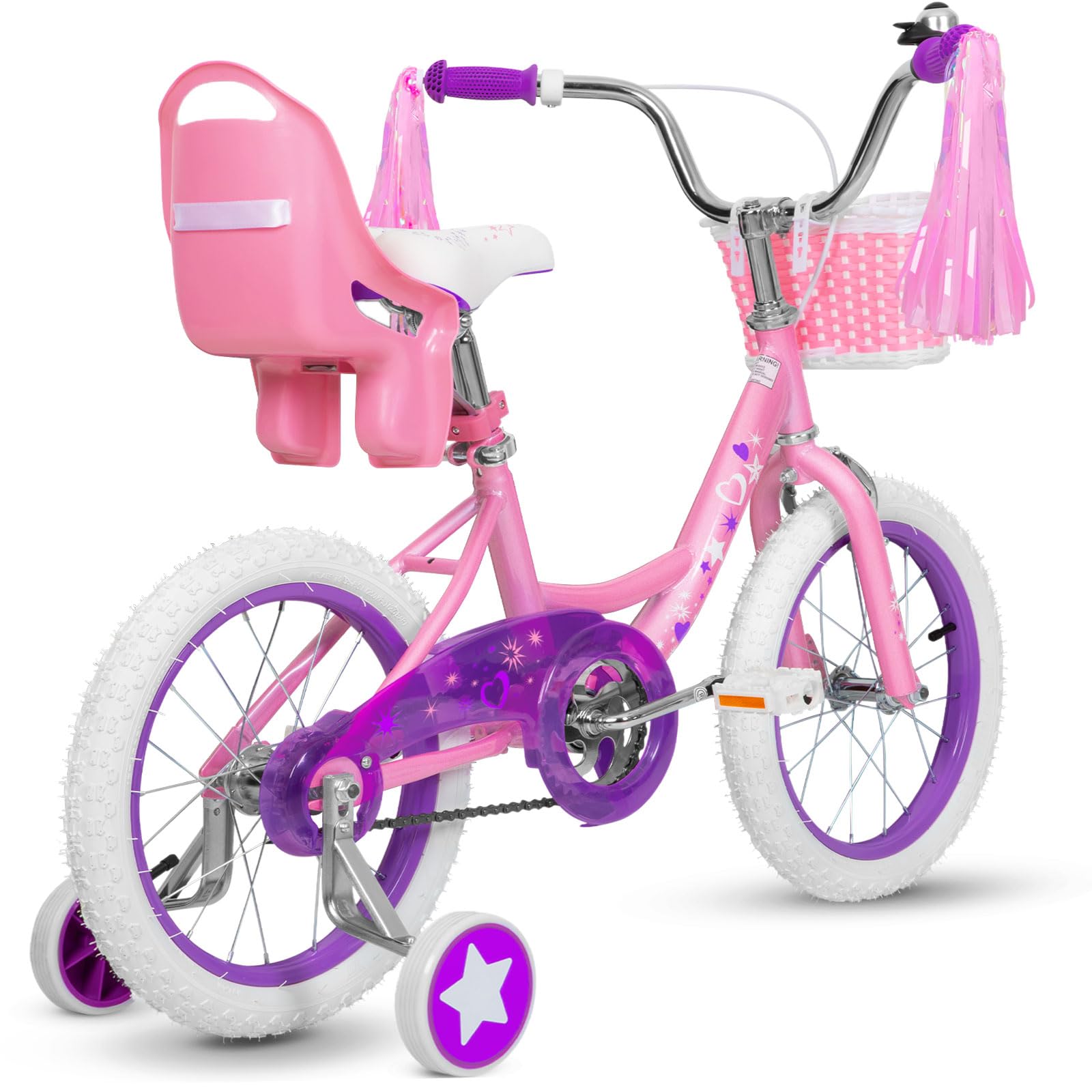
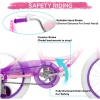
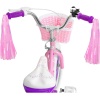
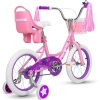
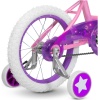
Choosing a child’s first bicycle is a milestone that blends excitement with practical considerations. The WEIZE Kids Bike, available in 14-inch and 16-inch wheel sizes, is engineered specifically for girls aged 4 to 12 who are ready to transition from balance bikes or training wheels to independent riding. This model prioritizes stability and ease of use, featuring a single-speed drivetrain and a coaster brake system that allows young riders to stop by pedaling backward, a natural motion that builds coordination without the complexity of hand brakes. The frame geometry is tailored for smaller riders, with a low standover height that makes mounting and dismounting simple and safe. The included front basket, bell, streamers, and doll seat transform the bike into a vehicle for imaginative play, while the adjustable seat and handlebars accommodate growth spurts, extending the bike’s useful life across several seasons. Parents will appreciate the rigid suspension design, which keeps the bike lightweight and efficient for paved paths, sidewalks, and gentle trails. This is not a toy but a properly constructed learning tool that respects the developmental needs of young cyclists.
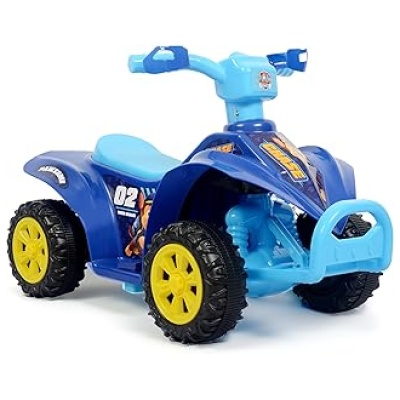
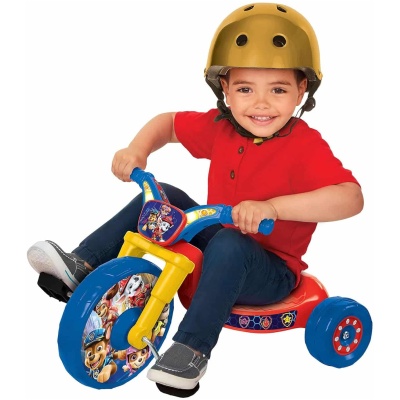
If your child is not quite ready for pedals yet, the smoby paw patrol first bike offers a gentler introduction before moving up to a model like this one.
Frame Geometry and Weight Distribution for Young Riders
The foundation of any children’s bike is its frame, and the WEIZE model uses a low-step-through design that eliminates the need to swing a leg over a high top tube. This is particularly beneficial for girls wearing dresses or skirts, as it allows for graceful mounting and dismounting. The frame is constructed from high-tensile steel, which provides durability without excessive weight, a critical factor for kids who are still developing their balance and strength. The wheelbase is proportioned to offer stability at low speeds, reducing the likelihood of tipping during turns or stops. The 14-inch version is ideal for riders with an inseam of approximately 16 to 20 inches, while the 16-inch variant suits inseams of 18 to 22 inches, covering the typical growth range for ages 4 through 8. The rigid fork keeps the front end responsive, giving young riders direct feedback from the pavement, which accelerates the learning curve for steering and weight shifting. Unlike suspension forks, which can add complexity and weight, this design keeps the bike simple and predictable, exactly what a beginner needs to build muscle memory.
Coaster Brake System: Why Backward Pedaling Builds Better Habits
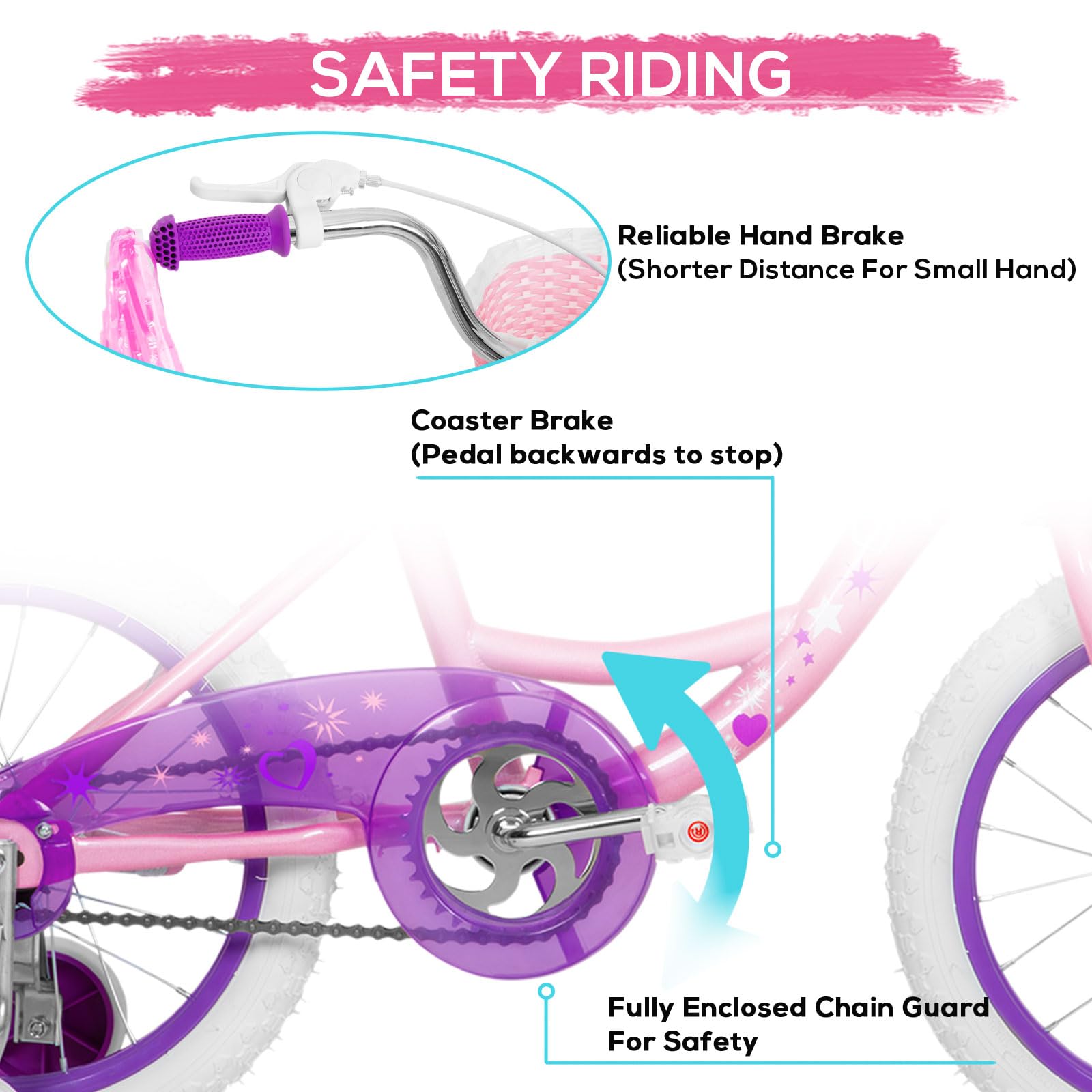
The coaster brake, also known as a foot brake, is the sole braking mechanism on this bike, and this is a deliberate choice for the target age group. When a child pedals backward, the internal hub engages a brake shoe that presses against the hub shell, slowing the rear wheel. This system is intuitive because it mimics the natural motion of stopping a tricycle or balance bike, requiring no hand strength or coordination to squeeze a lever. For children aged 4 to 7, hand brakes often require fine motor skills that are still developing, leading to frustration or inconsistent stopping power. The coaster brake eliminates that variable, allowing the child to focus entirely on pedaling, steering, and maintaining balance. The brake is sealed within the rear hub, protecting it from dirt and moisture, which means consistent performance even after months of outdoor use. Parents should note that this system does not include a front brake, so stopping distances are longer than on bikes with dual brakes, but for the speeds and environments typical of this age group, slow riding on flat surfaces, it is more than adequate. The single-speed gearing further simplifies operation: no shifting, no chain derailment, just pure pedal power.
Adjustable Components: Extending Usability Across Growth Spurts
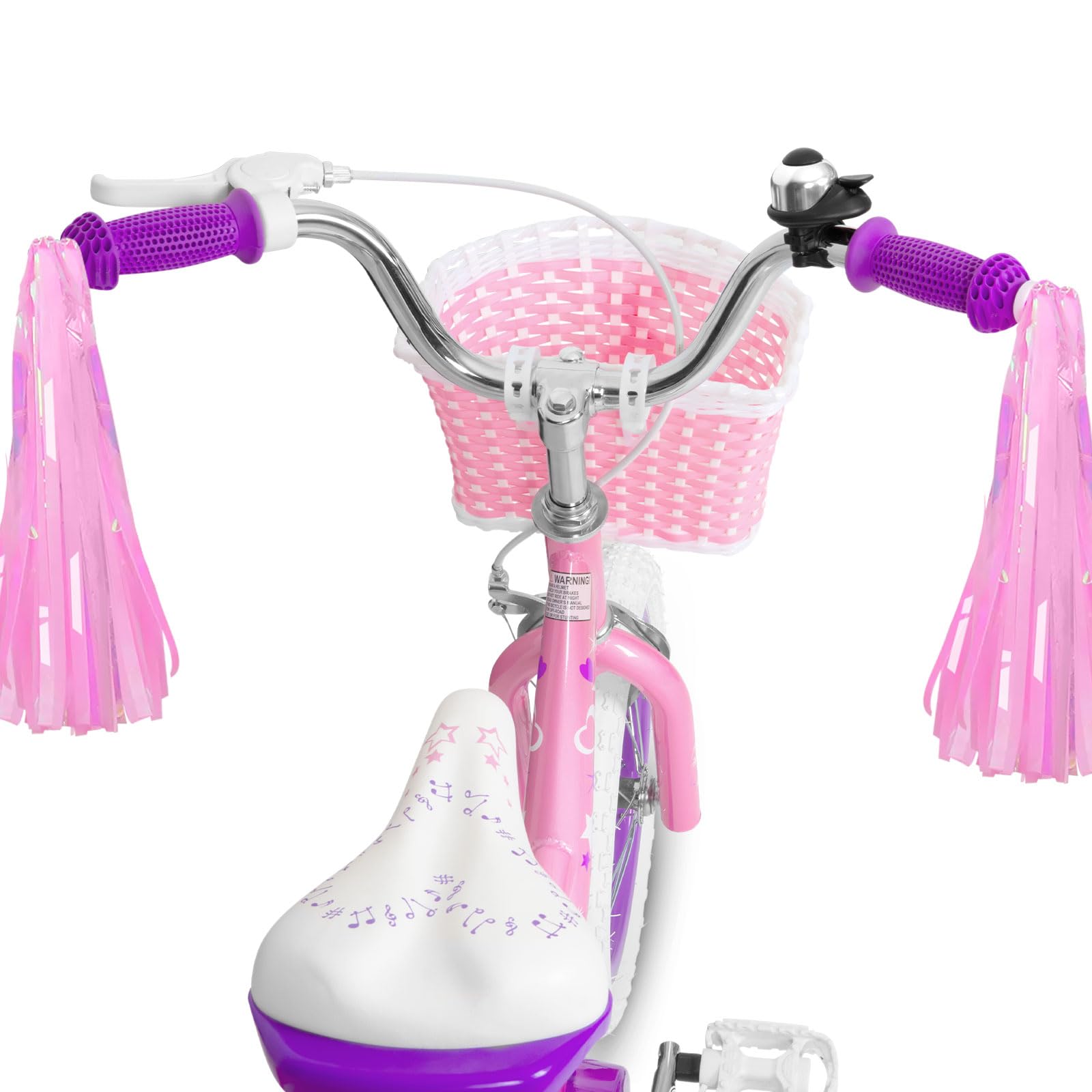
Children grow rapidly, and a bike that fits poorly can discourage riding or even cause discomfort. The WEIZE bike addresses this with tool-free adjustments for both the seat and handlebars. The seat post uses a quick-release clamp, allowing parents to raise or lower the saddle in seconds as the child’s inseam lengthens. The handlebar stem is similarly adjustable, letting you fine-tune the reach and height to maintain a comfortable upright posture. This adjustability means the bike can serve a child for three to four years, rather than being outgrown within a single season. The seat itself is padded and contoured, with a width that supports the sit bones without chafing. The handlebars are fitted with soft rubber grips that provide traction even with sweaty palms. The included streamers attach to the handlebar ends, adding a visual cue for wind direction and speed, which can help a child understand how their movement affects the environment. The doll seat, mounted behind the saddle, is a thoughtful addition for imaginative play, allowing a favorite stuffed animal to join the ride, but it is also removable for days when the bike is used strictly for training.
Accessories That Encourage Independent Exploration
The front basket is not merely decorative; it is constructed from coated wire mesh with a solid base, capable of carrying a water bottle, a small snack, or a collection of found treasures like leaves and pebbles. The basket attaches to the handlebars with sturdy brackets that do not interfere with steering range. The bell produces a clear, pleasant ring that alerts pedestrians and other cyclists without being startling. These accessories serve a dual purpose: they make the bike feel like a “real” vehicle, which boosts a child’s sense of ownership and responsibility, and they provide practical utility for short trips to the park or around the neighborhood. The streamers, while playful, also serve a safety function by increasing the bike’s visibility from the side, especially in low-light conditions. The doll seat is designed to hold standard 12-inch dolls or plush toys, and its placement behind the rider ensures it does not unbalance the bike. All accessories are pre-installed, so parents do not need to spend time assembling small parts, the bike arrives ready to ride after basic handlebar and seat adjustments.
Tire Selection and Surface Compatibility for Everyday Riding
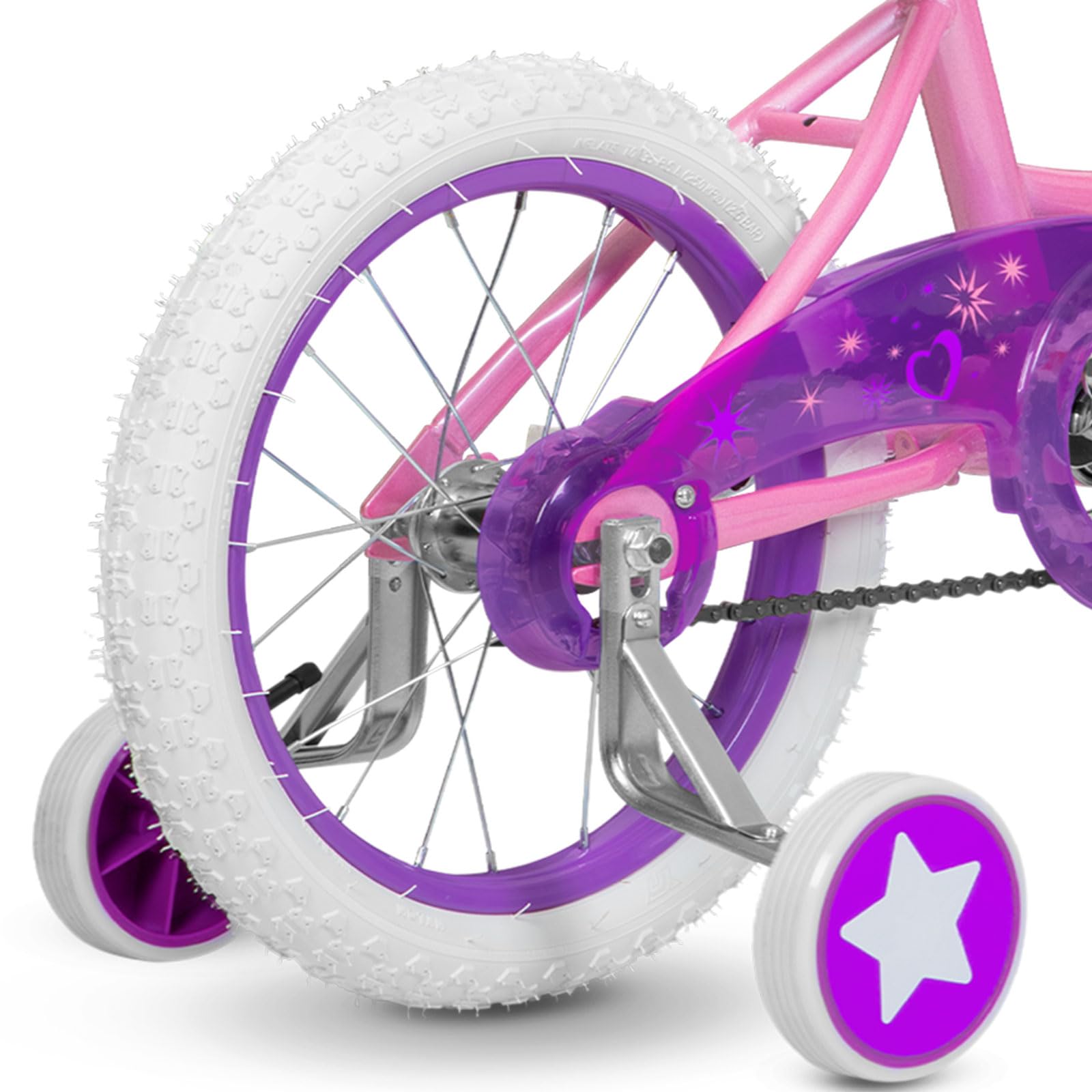
The WEIZE bike is fitted with 14-inch or 16-inch pneumatic tires that feature a smooth center tread with slight side knurling. This tread pattern is optimized for paved surfaces like asphalt and concrete, where most young riders will spend their time. The smooth center reduces rolling resistance, making pedaling easier, while the side knurling provides grip during turns on loose gravel or packed dirt. The tires are inflated via standard Schrader valves, compatible with any gas station or home air pump. The recommended pressure is printed on the sidewall, typically around 30 to 40 PSI, which provides a balance between comfort and efficiency. The wheels use steel rims with 12-gauge spokes, which are robust enough to handle occasional curb hops or pothole impacts without bending. The rear wheel is driven by a single-speed freewheel hub, meaning the pedals stop when the bike coasts, but the coaster brake only engages when the pedals are turned backward. This is a critical safety feature: if a child stops pedaling, the bike continues to roll freely, preventing the abrupt stops that can cause falls. Parents should check tire pressure monthly and inspect the spokes for tension, especially after the first few rides, as new wheels may settle.
Assembly and Maintenance Considerations for Busy Parents
The bike ships partially assembled in a compact box. The primary tasks for parents are attaching the front wheel, installing the handlebars, and adjusting the seat to the correct height. All necessary tools are included, and the instructions are illustrated with clear diagrams. The front wheel uses a quick-release skewer, which simplifies installation and future removal for transport or storage. The handlebars are secured with a four-bolt stem clamp, which requires a 5mm Allen wrench (provided). The pedals are marked “L” and “R” to prevent cross-threading, and they attach with a standard 15mm wrench. The chain is pre-lubricated and tensioned at the factory, but parents should check it after the first 10 hours of riding, as new chains can stretch slightly. The coaster brake requires no adjustment, but the rear axle nuts should be checked for tightness periodically. The bike’s paint is a glossy, chip-resistant finish that withstands minor scrapes, and the decals are applied under a clear coat to prevent peeling. For long-term storage, keep the bike indoors or under a cover to protect the tires and chain from UV degradation. With basic care, monthly tire inflation, chain lubrication every three months, and occasional bolt checks, this bike will remain safe and functional for years.
Realistic Expectations for Skill Progression and Riding Environments
This bike is designed for learning and recreational riding on flat, hard surfaces. It is not intended for off-road trails, jumps, or competitive cycling. The single-speed gearing provides a comfortable cadence for speeds up to about 8 to 10 miles per hour, which is appropriate for a child’s first bike. Hills will require walking the bike up or down, as there are no gears to assist with climbing or descending. The coaster brake is effective on gentle slopes, but on steep hills, a child may need to drag their feet or dismount. Parents should supervise initial rides in a flat, open area like a driveway or empty parking lot, free of traffic and obstacles. Most children will master basic pedaling and steering within a few sessions, and the bike’s stability will give them the confidence to progress to turning and stopping smoothly. The doll seat and basket can be used as rewards or incentives, for example, the child can only take a doll on the ride after demonstrating safe stopping. The streamers provide a visual indicator of speed and wind, which can help a child understand how their pedaling effort translates to motion. This bike is a tool for building independence, not a shortcut to advanced riding, and it excels in that role.
Your searches: paw patrol bike with training wheels, Bike Paw Patrol 12 Inch Toddler